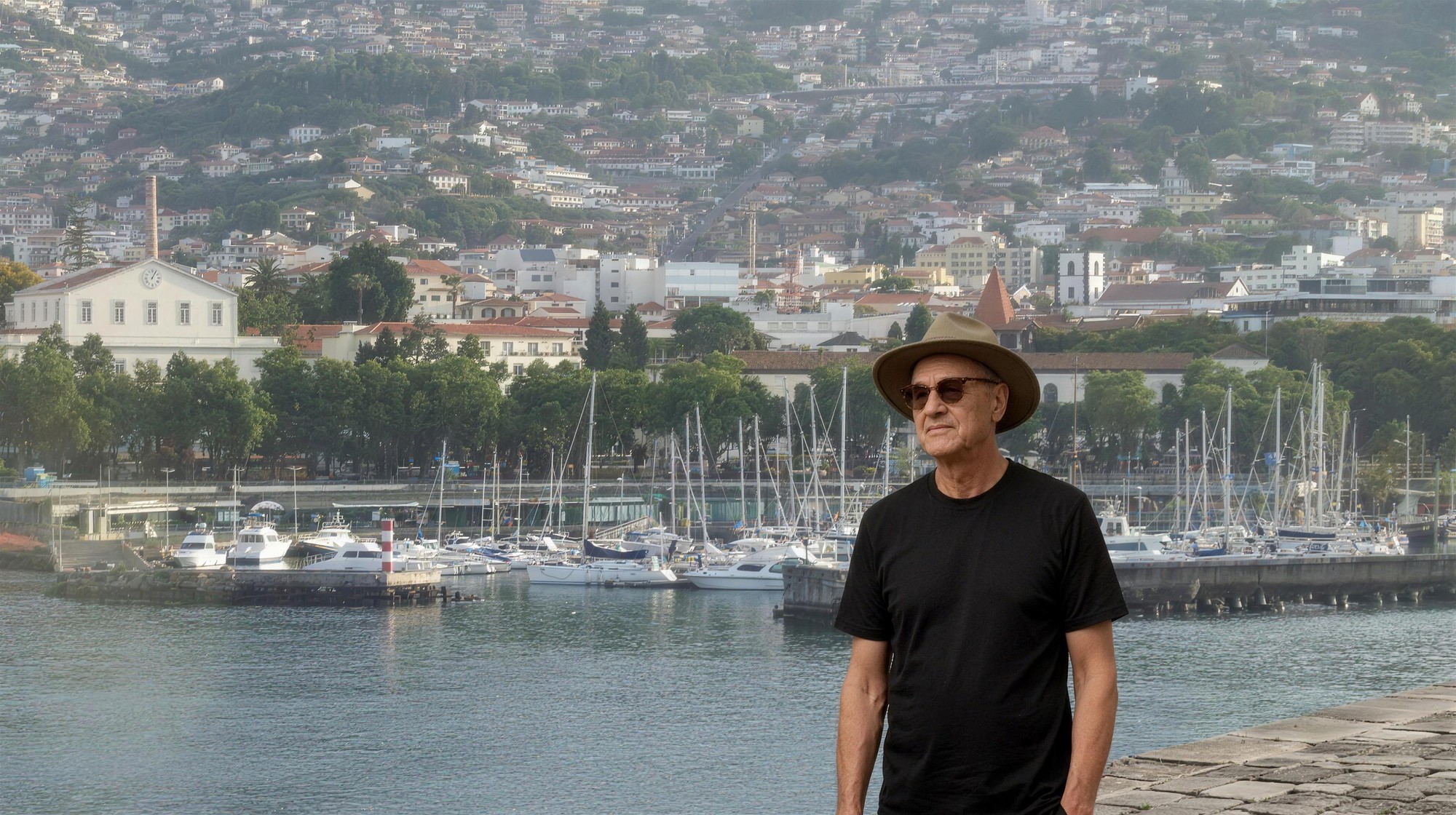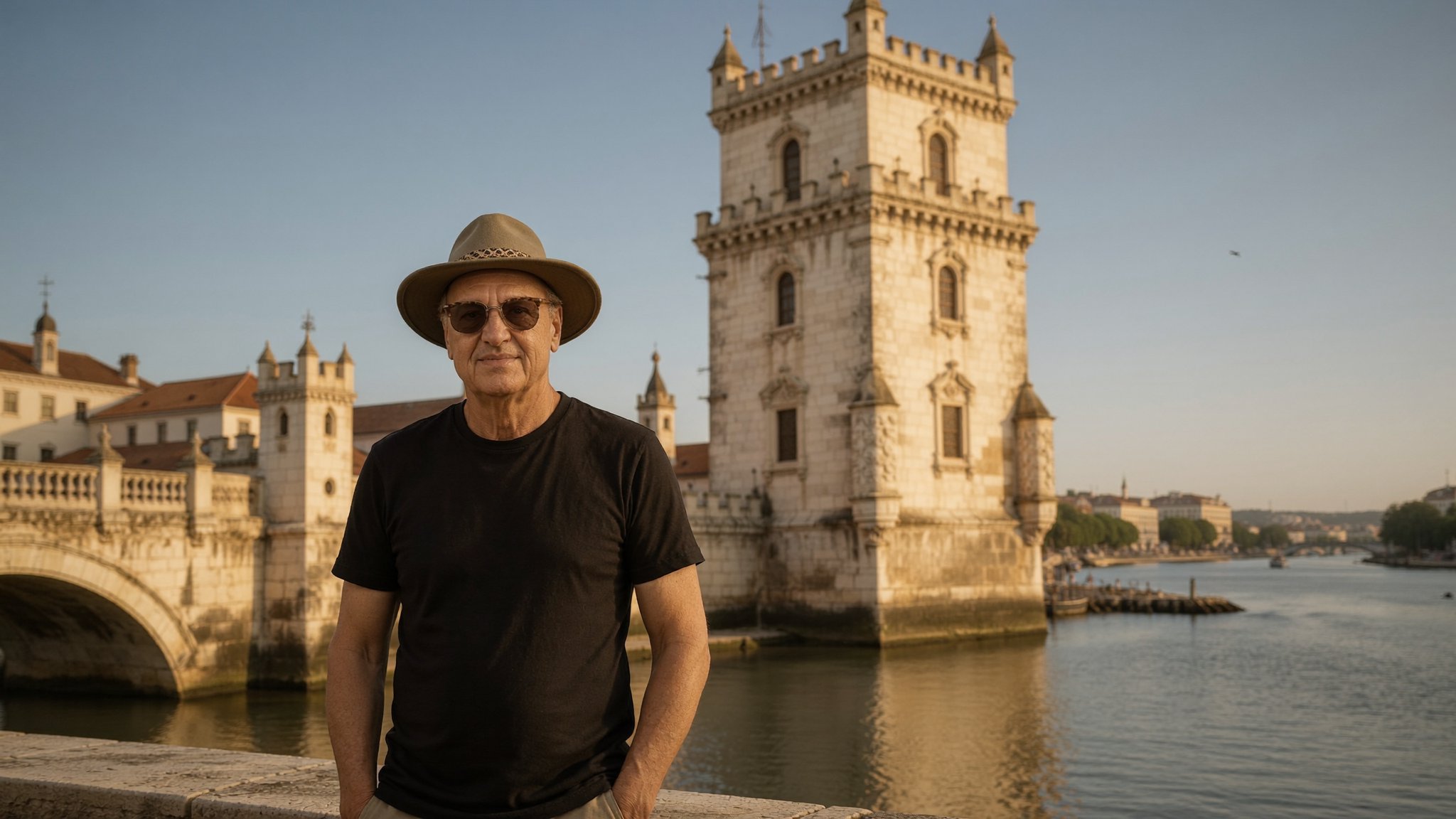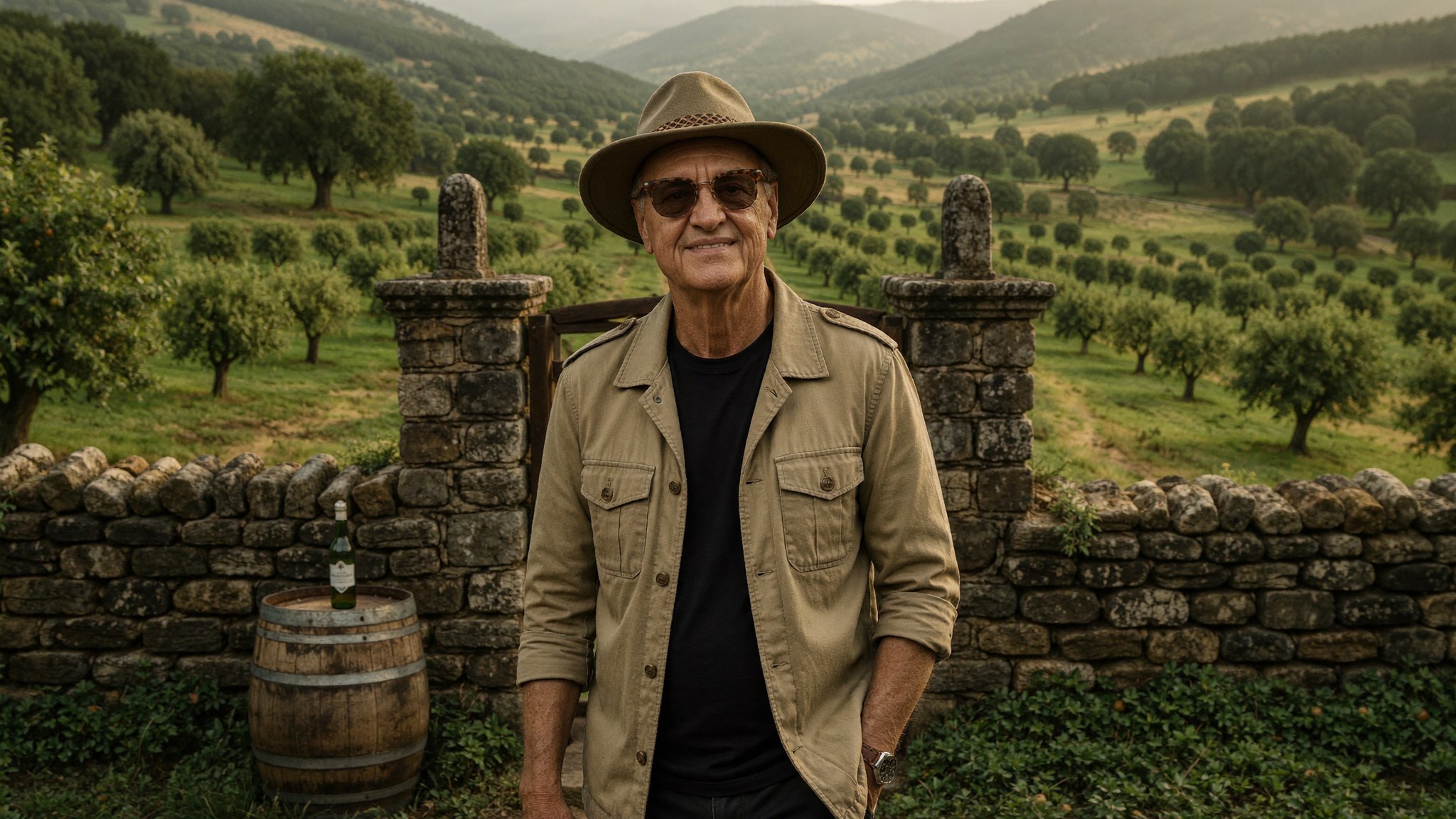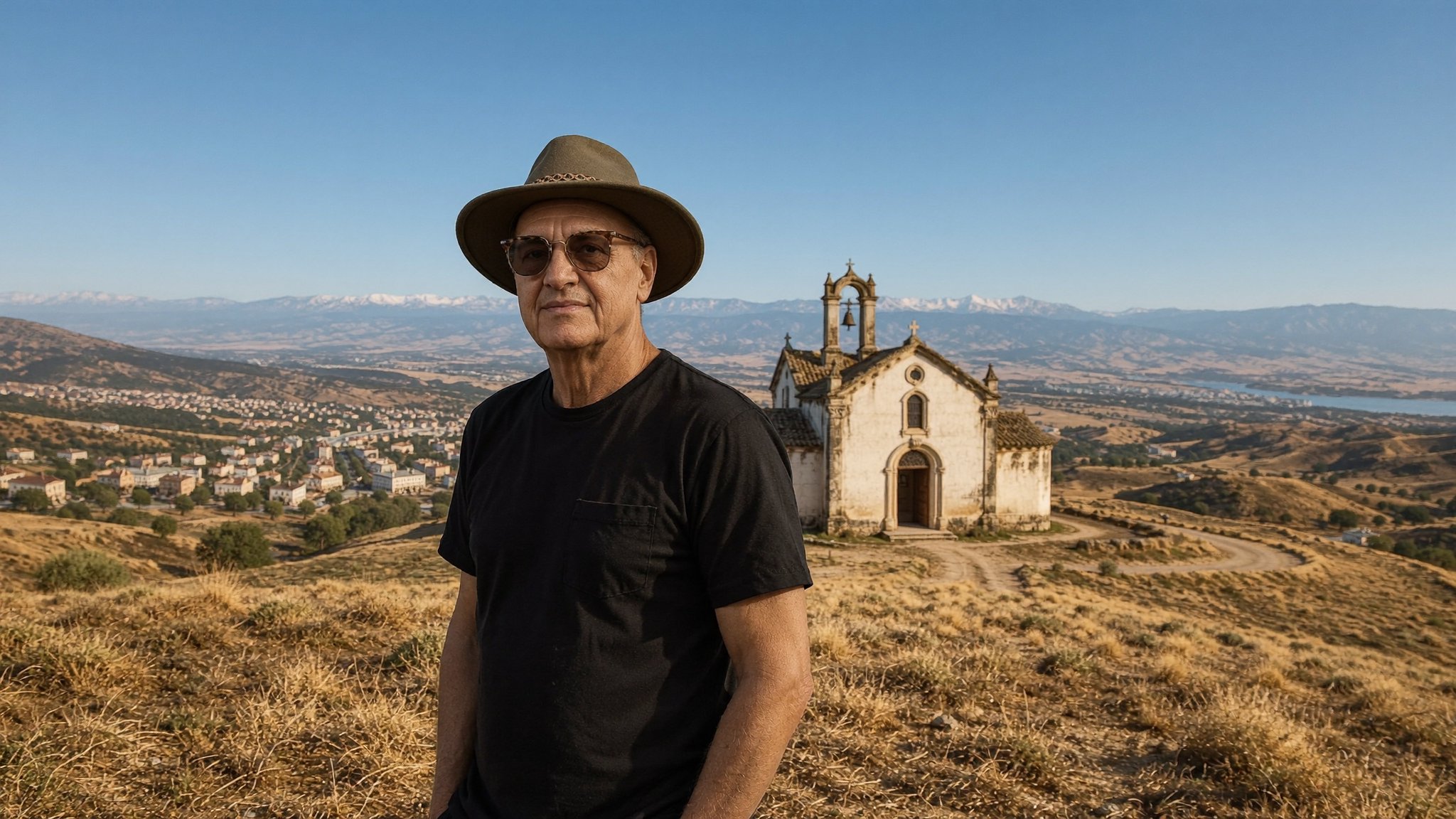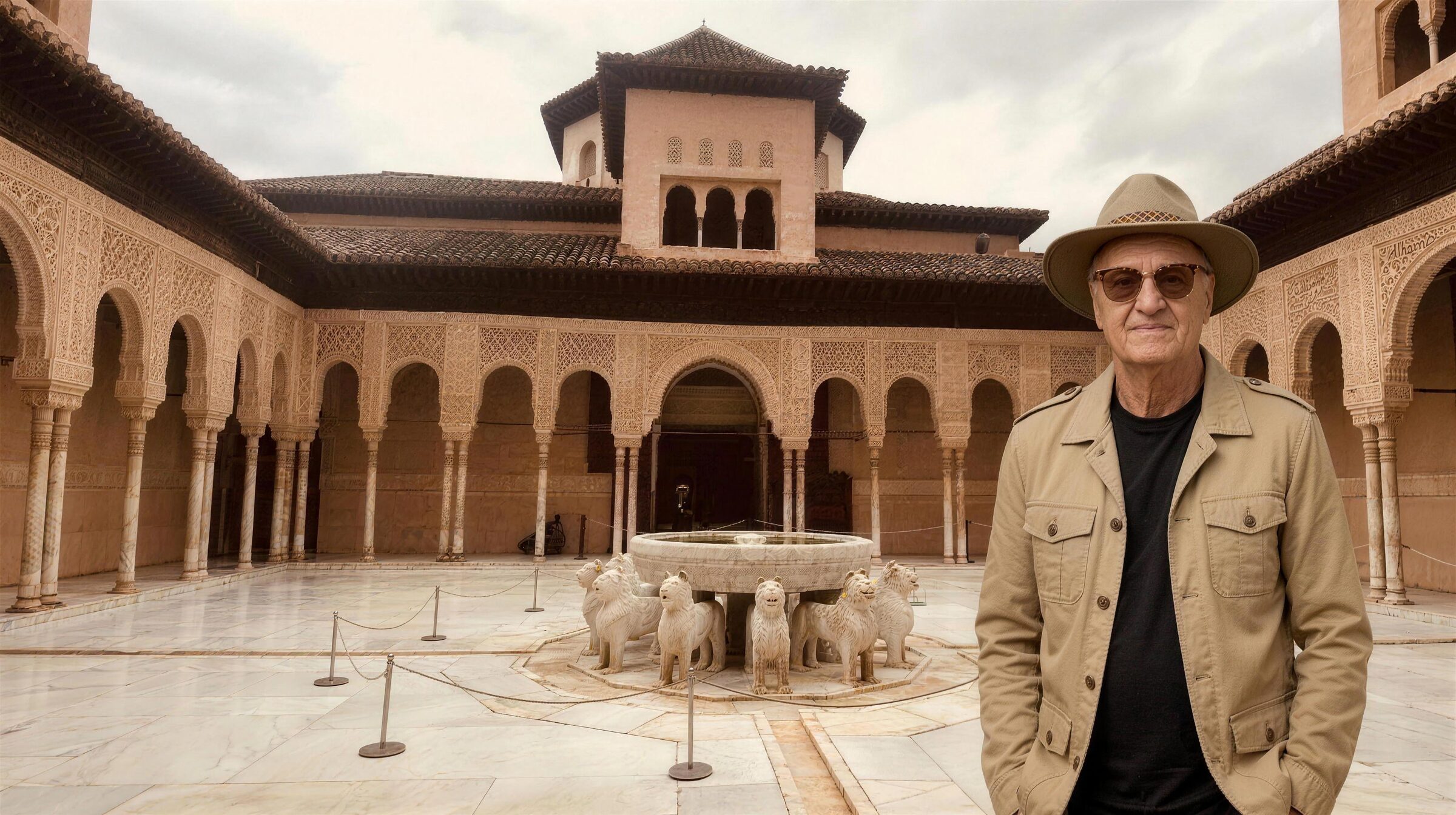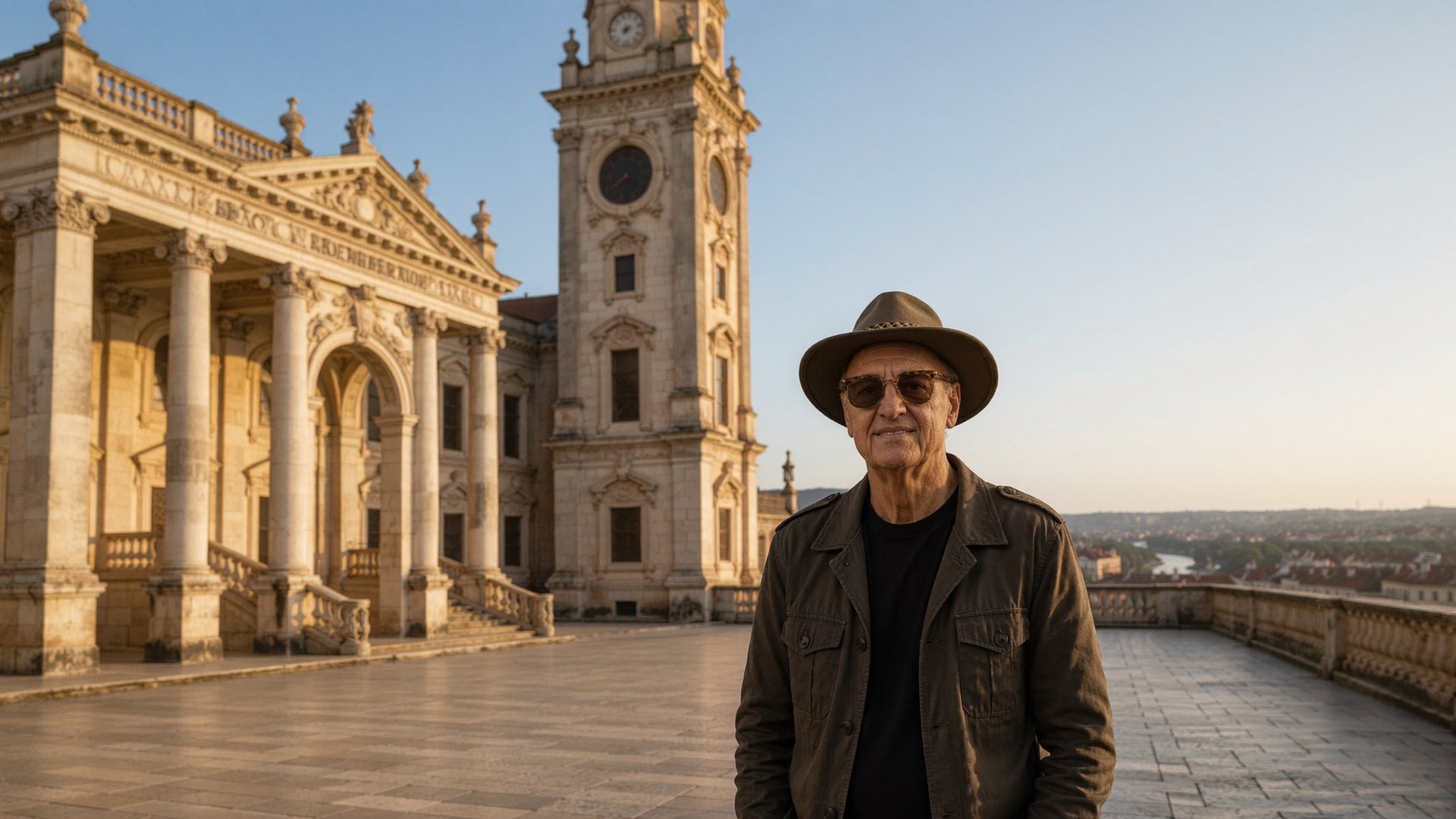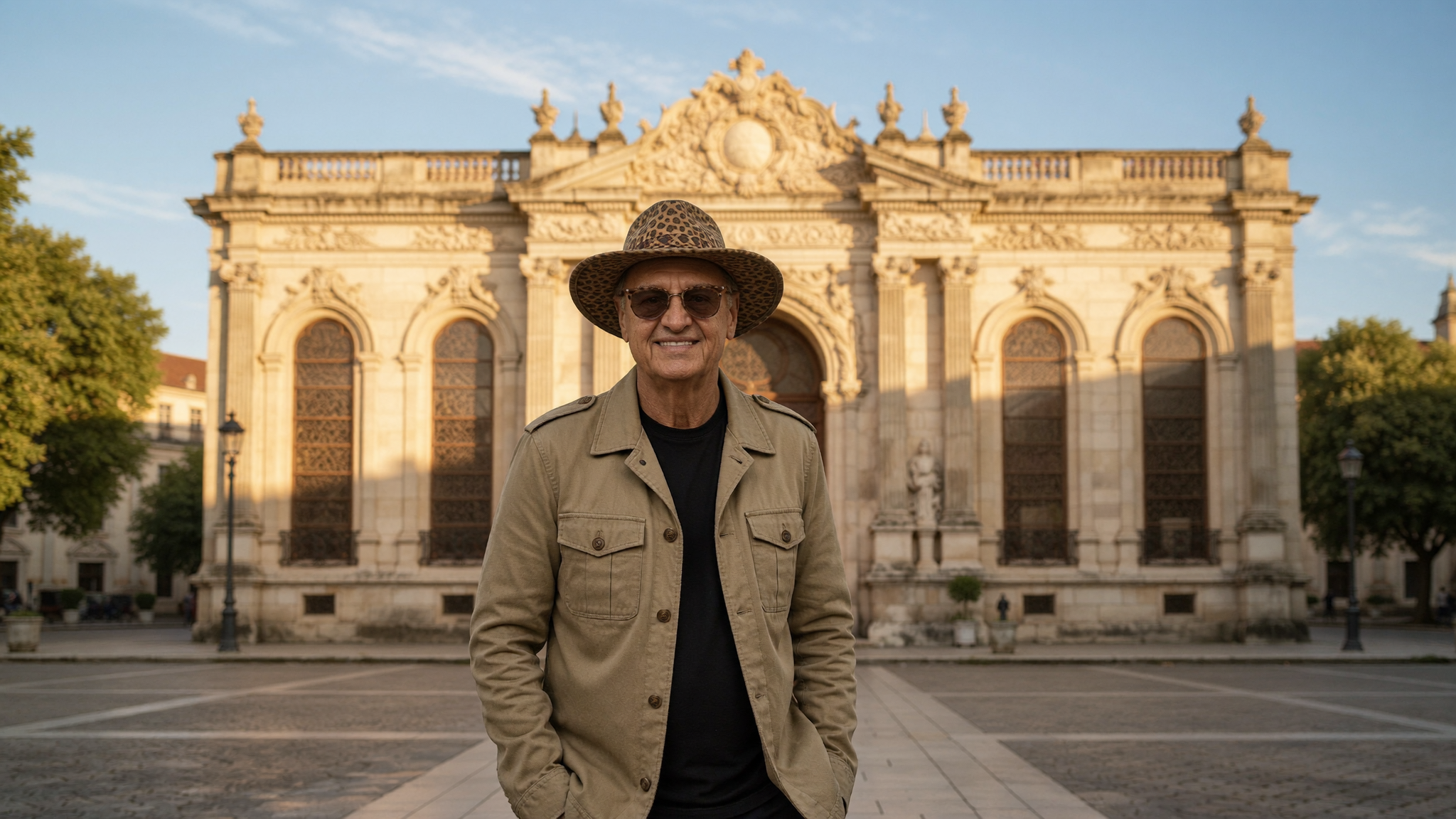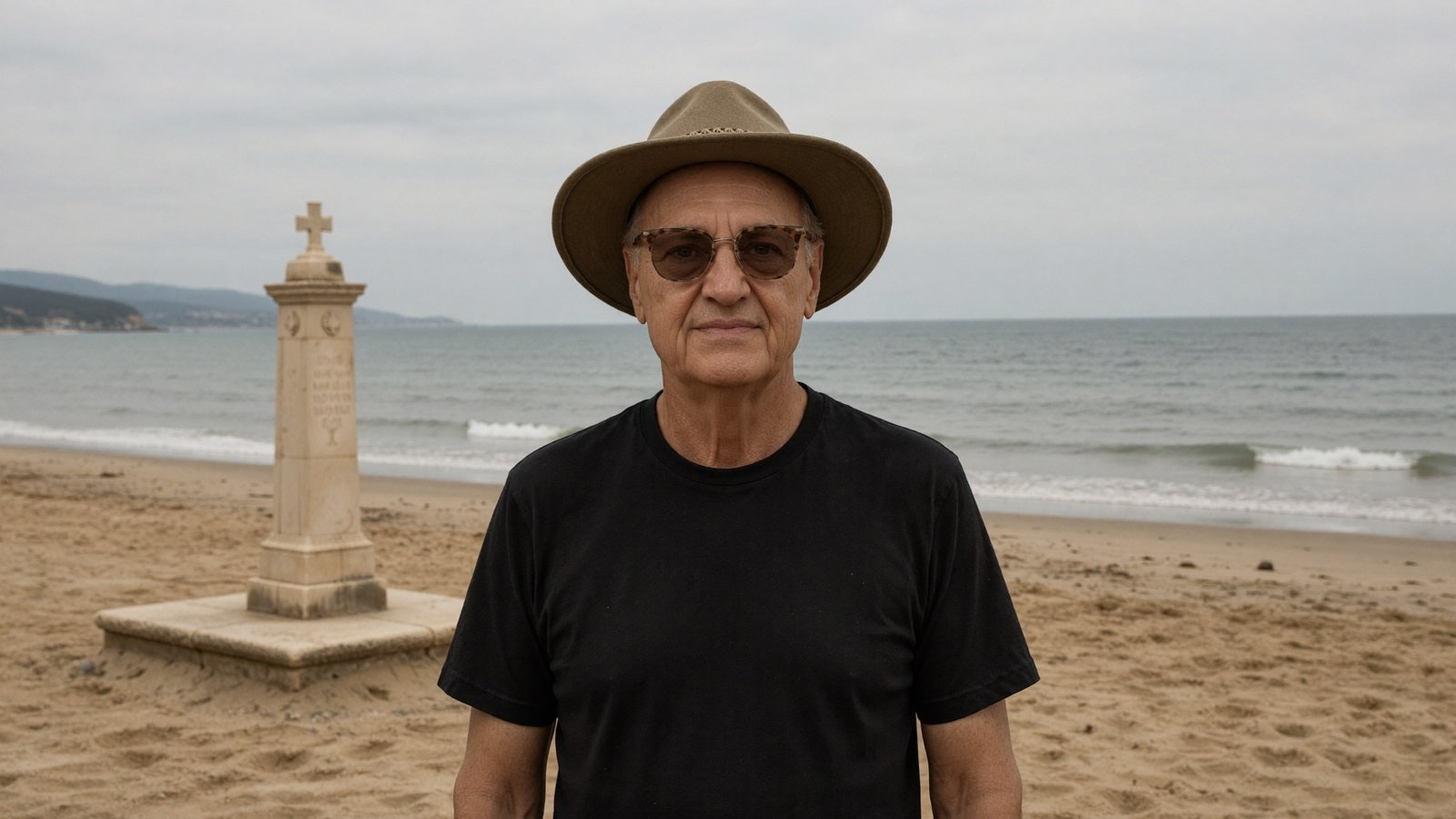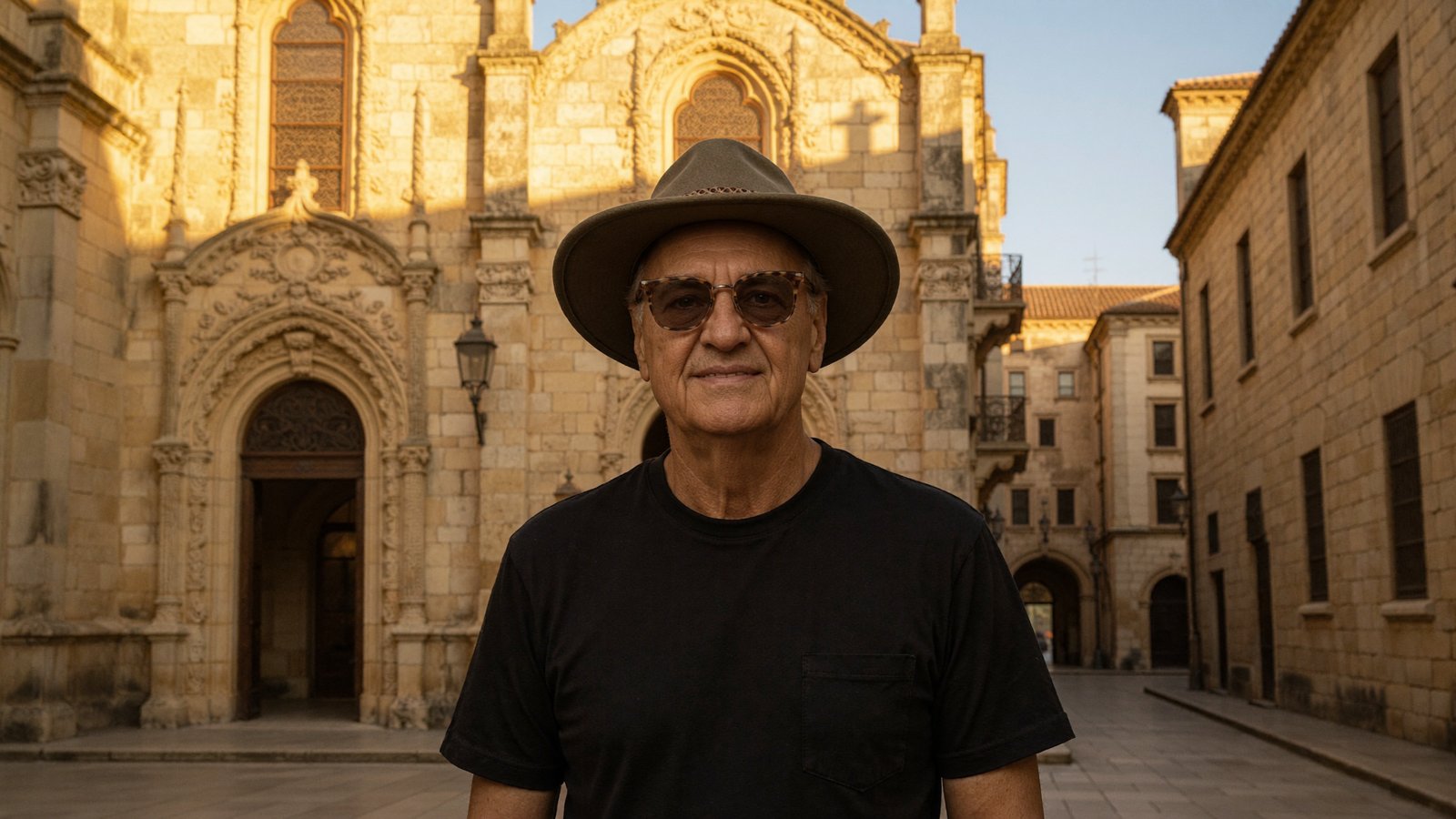
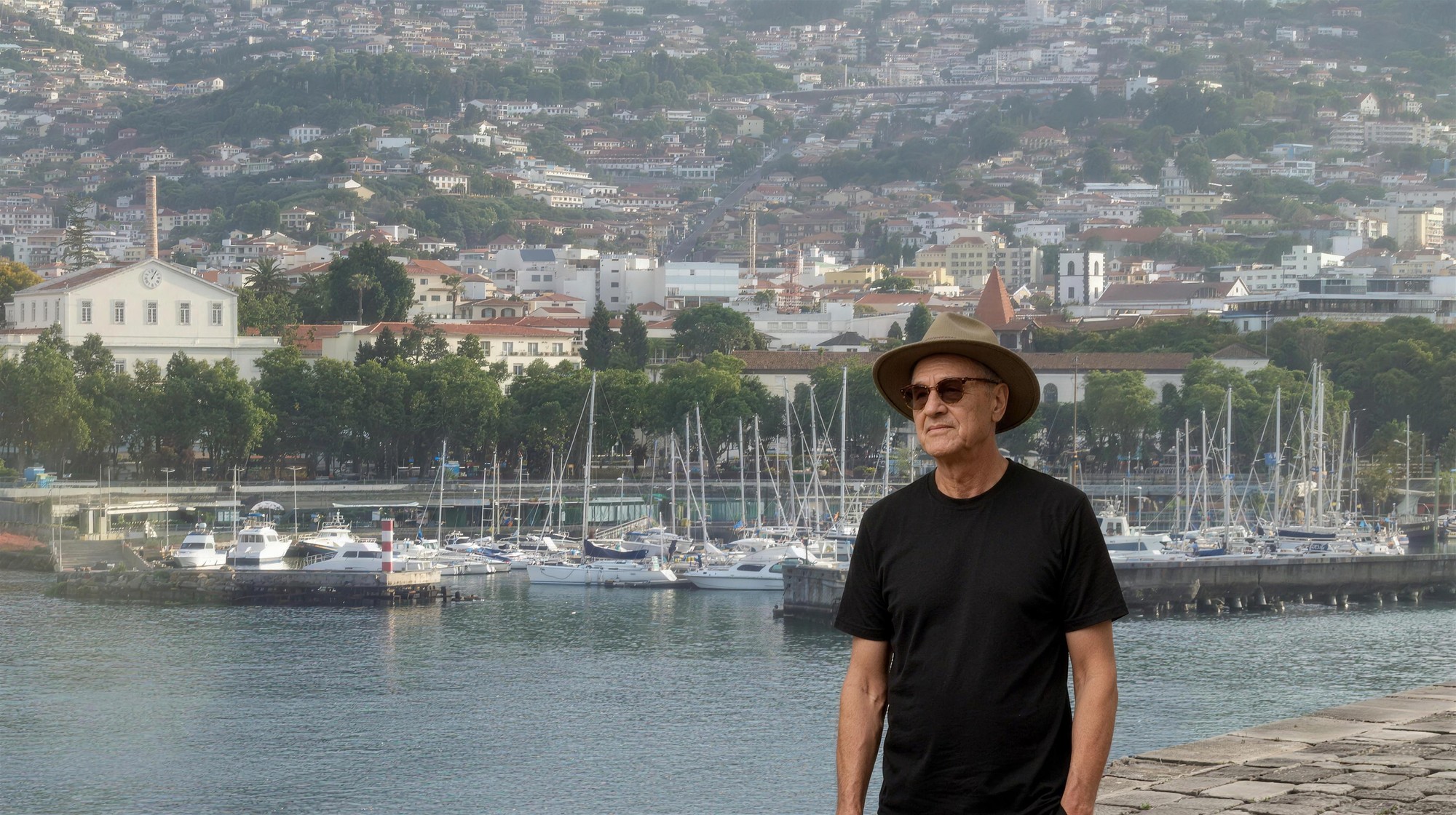
Your travel chronicle of Funchal and the island of Madeira, featuring Napoleon Bonaparte and Consul Henry Veitch in the 19th century, during the journey into exile toward Saint Helena, while the Bourbons reclaimed the throne in France in the aftermath of Waterloo.
Your Daily Iberian Travel Chronicle & Guide
On August 23, 1815, only one small boat was permitted to pull alongside the HMS Northumberland off the coast of Funchal. A single man climbed aboard. His name was Henry Veitch, a Scottish-born British consul, and he was about to spend a few hours in the company of a prisoner whom all of Europe had believed invincible just six months earlier. Napoleon Bonaparte, deposed and defeated at Waterloo, was sailing toward a lost rock in the South Atlantic from which he would never return. And yet, that day off the coast of Madeira, he received a gift that would outlive him far longer than his own legend could have ever hoped.
You know Madeira for its hanging gardens, its cliffs plunging into the ocean, and its dark, warm wine that has stood the test of time. But do you know this particular barrel? The one belonging to an emperor who, it is said, never even opened it?
It is this story I came to find, notebook in hand, on the docks of Funchal.
First steps on the docks of Funchal
The air in Funchal smells of the sea and laurel leaves heated by the sun. The late August light strikes the white facades and red-tiled roofs that climb like an amphitheater above the harbor. Below, the water is such a deep blue it looks like ink.
I am not alone. Marguerite is already waiting for me on the dock, her glasses pushed up onto her forehead, a black notebook clutched to her chest. A 54-year-old French historian and specialist in the Napoleonic era, she has spent her life in the archives of Vincennes and Paris, tracking the slightest inaccuracy like a cat stalking a shadow. "You'll see," she says without even greeting me, "everyone here tells the story of the barrel. The question is what holds up and what doesn't."
Beside her, Rui smiles. At 41, a Madeiran to his core and a cellar master at a local wine house, he knows every step of the *estufagem*—the slow heating process that gives the wine its caramel and dried fruit notes. He has brought a small, unlabeled bottle. "For later," is all he says.
The third member of our group arrives running, breathless, her dark hair matted by the sea air. Elsa, 30, born here, is the granddaughter of a cooper from Câmara de Lobos. She grew up with the scent of wet wood and staves bent over fire. "My grandfather always said a barrel keeps the memory of everything you put inside it," she says. Then, lower, like a secret: "Even an emperor's."
Look closely, you who read these lines. We are four people on a sun-drenched dock, and we are about to travel back two centuries.
The only man allowed on board

First, we must understand where Napoleon stood that morning.
Waterloo had been lost since June 18. The second abdication followed. After briefly hoping to find refuge in England, he surrendered to the British aboard the Bellerophon. He was then transferred to the Northumberland, a warship commanded by Admiral Cockburn, bound for Saint Helena. A volcanic island nearly two thousand kilometers from the African coast. The end of the world, chosen precisely because there is no coming back from it.
On the way, the fleet sailed along Madeira. On August 23, 1815, it anchored off the coast of Funchal.
"And there," Marguerite explains, opening her notebook, "a strict rule applied. No one was to disembark, no one was to board, with one exception." That exception was Henry Veitch. The British consul stationed in Madeira since 1809, he would remain in the post until 1834. A cultured, curious man and a skilled diplomat, he obtained special permission to come aboard.
What happened next has reached us through several witnesses. Veitch dined at Napoleon's table. After the meal, the former emperor walked with him on deck, and they conversed, according to one observer, "on general subjects." Veitch asked him about geography, the island, and its resources. Napoleon, in turn, asked questions about the climate, the crops, and the wine.
The wine, in fact. Before leaving, Veitch had fresh fruit, a few gifts, and above all, a cask of Madeira wine brought on board. A "pipe," as they say in the trade. Rui raises a finger. "A pipe is a barrel of about six hundred bottles. It wasn't just a symbolic gesture. It was a real supply, enough to last for months."
Napoleon accepted. And that is where the real mystery begins.
Why this particular wine traveled better than the others
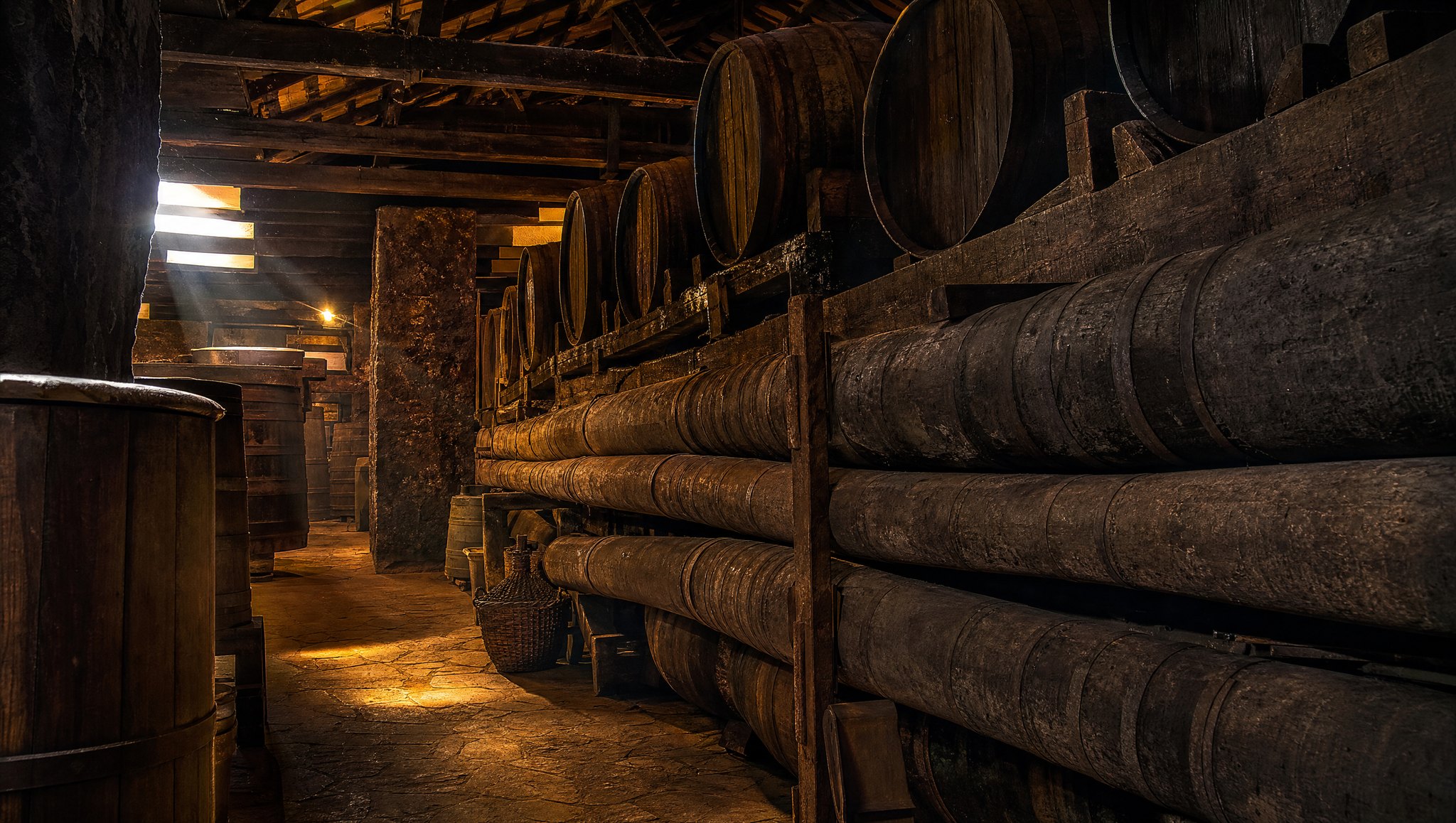
Marguerite looks at me as if she’s waiting for a question, so I ask it. Why offer Madeira wine to a man you’re sending to die on a rock?
Rui answers for her, his voice dropping to a deeper register. "Because it’s the only wine in the world that loves to travel."
You have to understand something about Madeira wine. In the 17th and 18th centuries, merchants discovered a strange phenomenon by chance. Barrels stowed as ballast in the holds of ships, exposed to the tropical heat and constant rolling of the sea, returned better than when they left. The heat and motion transformed the wine, giving it roundness and those notes of dried fruit, caramel, and candied zest. This wine was called vinho da roda, the wine that has made the rounds. Later, Madeira houses artificially recreated this heat in heated cellars, the estufagem process that Rui still uses today.
"A Bordeaux, on the way to Saint Helena, would have arrived dead," he tells me. "A Madeira, however, arrives alive. It’s a wine that laughs at time and distance. They say a well-preserved bottle can be drunk a century after it was bottled. That’s not a legend. That’s chemistry."
Imagine the irony, my friend. A man condemned to eternal stillness is offered the only wine made for endless wandering.
The barrel that outlived the Emperor
Marguerite closes her notebook. I can tell this is her favorite part.
"This is what the sources allow us to confirm," she says, weighing each word. "According to the accounts that have reached us, the barrel Veitch had brought on board was never opened by Napoleon."
A silence. The sea laps against the quay.
On Saint Helena, the Emperor mostly drank other wines—Bordeaux, Cape wine provided by the British, and sometimes champagne. The pipe of Madeira, however, seems to have remained sealed. And when Napoleon died on May 5, 1821, in his damp house at Longwood, the barrel was still full.
"What happens next is documented," Marguerite continues. "The wine returned to Madeira. It remained on the island until 1840, in the hands of the Blandy firm." Rui nods; he knows the rest by heart. That particular Madeira belongs to the 1792 vintage. Part of the contents would later be used to blend a wine famous among all connoisseurs, and a small portion of Napoleon’s original barrel was set aside—only a few dozen bottles, which have become extremely rare.
Elsa listens, her eyes shining. "My grandfather spoke of it like a relic. He said that in that wood was the journey the Emperor never took."
And then there is this almost surreal scene. In 1950, Winston Churchill stayed in Madeira at Reid’s Hotel. He was served one of these surviving bottles. Churchill, glass in hand, turned to his guests and remarked: "Do you realize that when this wine was harvested, Marie Antoinette was still alive?"
A wine harvested under Louis XVI, offered to Napoleon, drunk by Churchill. Three worlds collapsing, and the same dark liquid to connect them all.
The man from the English cemetery
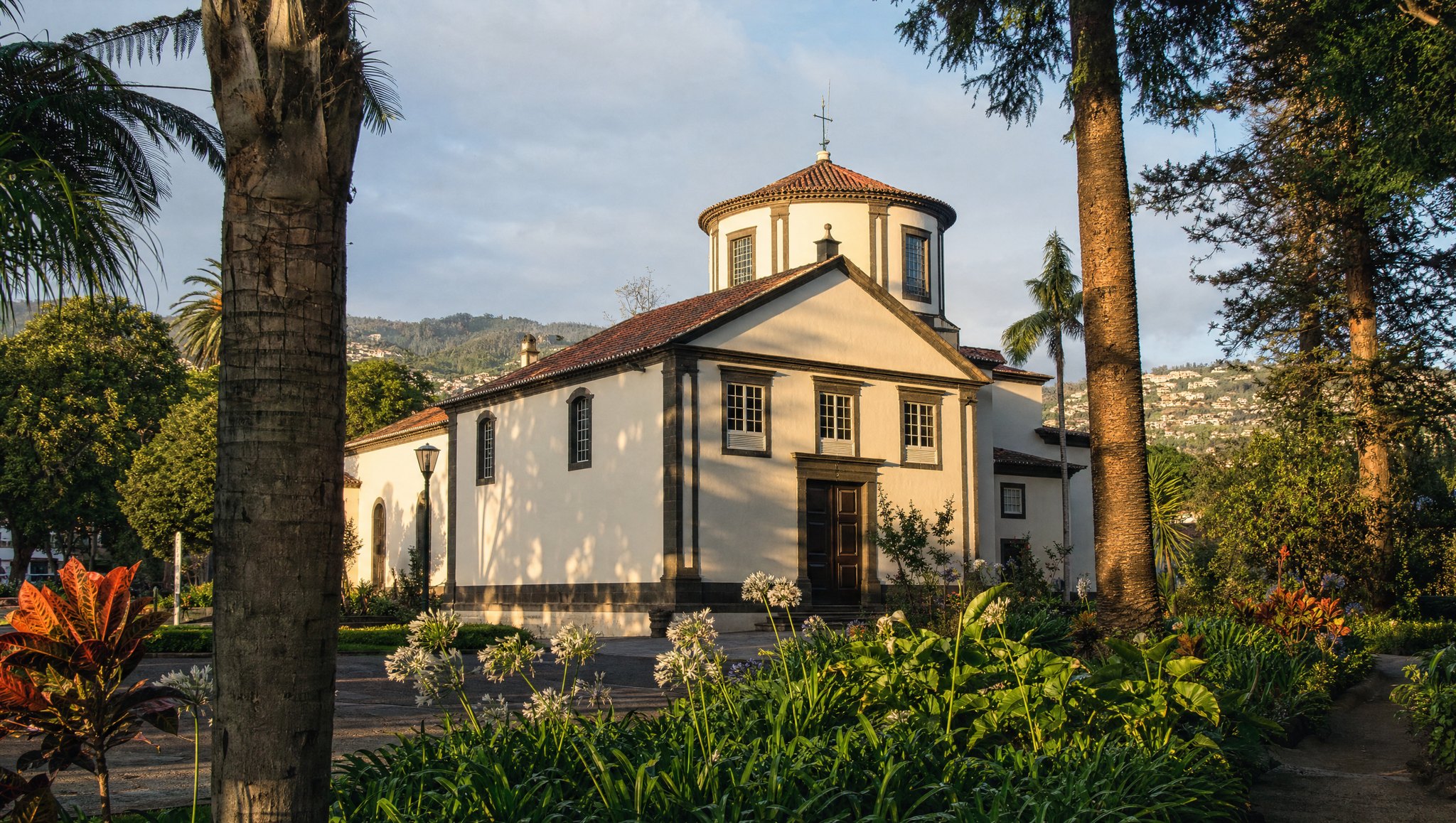
It was while looking for the English church in Funchal that we met Joaquim.
He was there, leaning on a rake in the shade of the large trees in the garden surrounding the small, round neoclassical temple, which was almost hidden behind its walls. The caretaker for over thirty years, with a weathered face, he watched us poke around for a moment before speaking to us.
"You’re looking for Napoleon, aren't you?" He smiles. "Everyone ends up looking for him here."
He sets down his rake. And he begins his story.
The legend of the gold coins
"They say," Joaquim said, lowering his voice as if the garden itself might be listening, "that Napoleon insisted on paying."
According to local lore, when Veitch had the fruit and wine brought aboard, Napoleon was determined not to owe anyone anything. He reportedly sent a few gold coins to pay for the boat that had transported the provisions to the ship. A fallen emperor, stripped of everything, still refusing charity.
"And Veitch," Joaquim continued, "didn't know what to do with those coins. So, when the first stone of this church was laid a few years later, he supposedly tucked them under the foundation stone." He tapped his foot gently on the ground. "They’re said to still be there. Beneath our feet. The emperor's gold, in the foundations of an English church, on a Portuguese island."
Marguerite raised an eyebrow, true to form. "The story of him sending coins to pay for the boat is in the historical accounts. The act of burying them under the foundation stone is what local tradition claims. Let's just say the first part is established, and the second is a lovely story that nothing contradicts, but nothing proves either."
Joaquim laughed heartily. "Historians! You always want to pry up the stone to check. I prefer to leave it closed. An island needs to keep a few secrets."
As for you, dear reader, which side are you on? The one who wants to lift the stone, or the one who leaves it be?
Dinner in Santo António
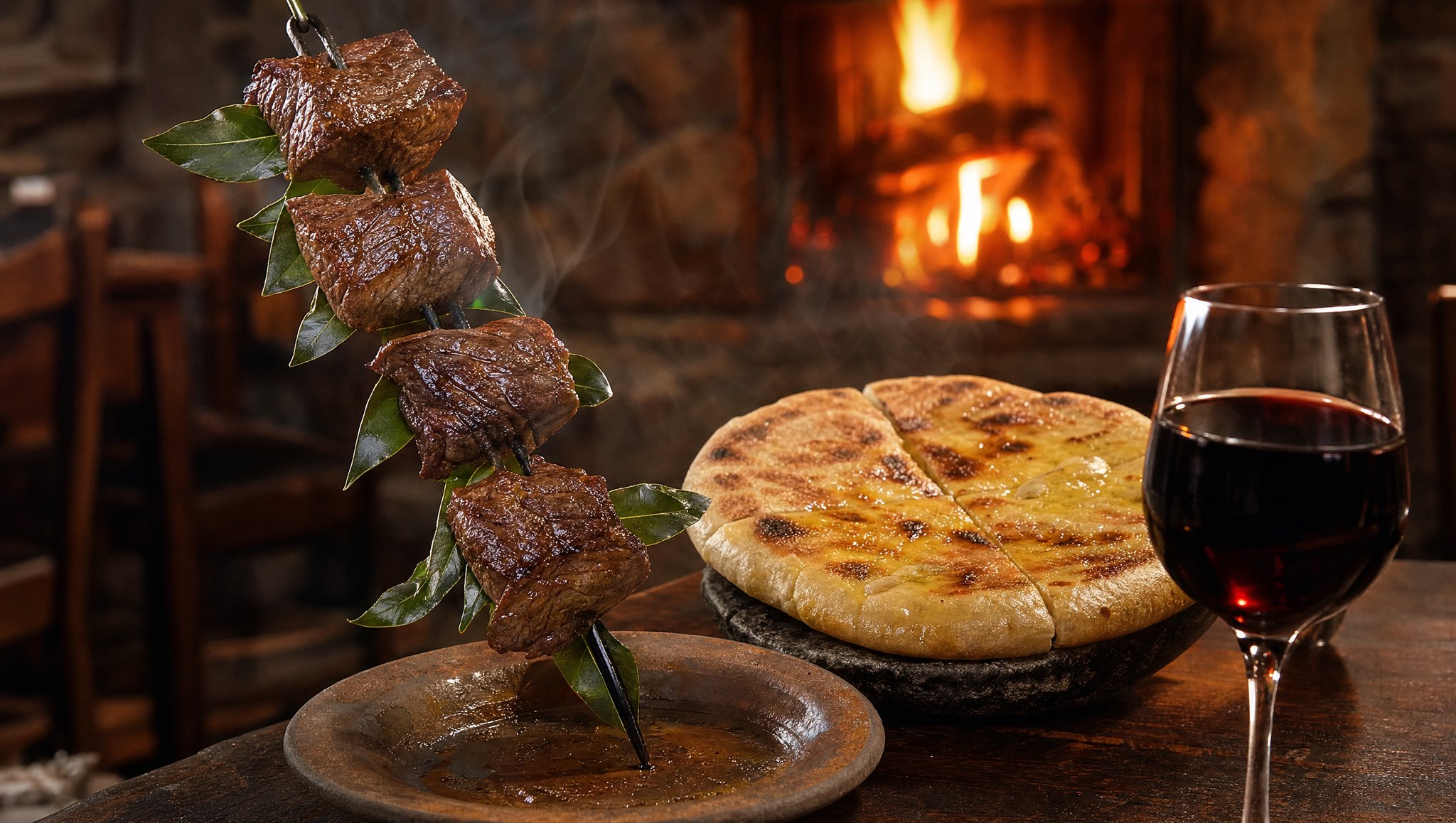
Evening falls as Rui takes us up into the hills to Estreito de Câmara de Lobos, to a house that has been serving Madeiran cuisine since 1966: Restaurante Santo António. They’ve been lighting the same fire there for sixty years.
We enter a noisy room, packed with families, the air thick with the scent of grilled meat and burning bay leaves. At the back, a man turns long iron skewers over the embers. The *espetada* arrives hanging vertically, skewered on a fresh bay branch whose sap flavors the beef from the inside out. The fat sizzles as it drips. We pull the searing pieces off with our fingers, the heat traveling from the plate to our palms before it even reaches our mouths.
Alongside it, *bolo do caco*—that round bread baked on stone—arrives steaming, split in two and dripping with garlic butter that runs between our fingers. Elsa tears off a piece and hands it to me without a word. The *milho frito*, those little cubes of fried polenta, are crispy on the outside and melt-in-the-mouth soft on the inside.
Rui finally brings out his unlabeled bottle, a house-made Madeira, dark as syrup, and pours a glass for everyone. The wine is warm on the palate, with notes of walnut, dried fig, and bitter caramel that linger. Then he orders *poncha*, the sugarcane spirit with honey and lemon, beaten with a wooden stick—the drink that has warmed the island’s fishermen for generations. Marguerite, who almost never drinks, takes a sip and finally smiles.
To finish, a passion fruit mousse, both tart and sweet, bright yellow on the plate, cleanses the palate of the meat's richness.
"Do you understand now?" Elsa says, licking the butter from her fingers. "Napoleon traveled all this way without ever tasting any of it. He passed by in the distance. He sensed the island without ever setting foot on it."
What we take, what we leave behind
The next day, at the harbor, I look out at the ocean in the direction the *Northumberland* had set its course. Two days after leaving Madeira, on August 25th, Napoleon fell ill at sea, tossed by the swells—he who had once commanded continents. He still had weeks of travel ahead, then six years of exile, and finally death in the dampness of Longwood.
His barrel, however, remained on the island. It lived longer than he did. It survived the 19th century, crossed paths with Churchill, outlasted entire empires, still holding that same wine harvested in the days of Marie-Antoinette.
There is something dizzying about that. We think a powerful man leaves behind battles, laws, and borders. And yet, sometimes, what survives him longest is a barrel he never even opened, on an island where he never stepped ashore.
And you, silent reader, what will you take from your travels? And more importantly, what will you leave behind, unknowingly, in the foundations of a church, at the bottom of a barrel, or in the memory of an island?
Madeira, for its part, keeps everything. It is a wine that forgets nothing.
Category: Wines · Country: Portugal · Location type: Vineyards
You know, digging up these stories comes at a price. Traveling to these places, consulting archives, verifying every date with historians—it takes time, and for an independent author, time is the only currency that truly matters.
If these stories resonate with you, supporting this work costs less than a coffee and a glass of Portuguese wine. For €5 a month, you’re not just supporting an independent author: you’re joining a community of active Iberophiles and helping bring a new story to life every month. You get to vote on the story you’re interested in and want to see written. If your choice wins, your name is engraved at the bottom of the article, published for all to read and recognized by fellow readers as the one who brought it into existence. It’s a piece you can share and discuss at dinner parties with friends and anyone else who shares your love for Portugal and Spain—a piece that will help other Iberophiles discover these lands. Every month, your voice counts again, helping this vibrant, participatory community grow.
And as long as you’re a member, the entire Library is open to you: 14 ebooks already written, with a total value of €138.60, included in your subscription.
If you ever decide to leave, no ebook truly disappears: you can always purchase them individually for €9.90 each.
Because a journey never really ends. It continues, somewhere between the pages and the memories.
Lucas Lunes, author of ancient stones