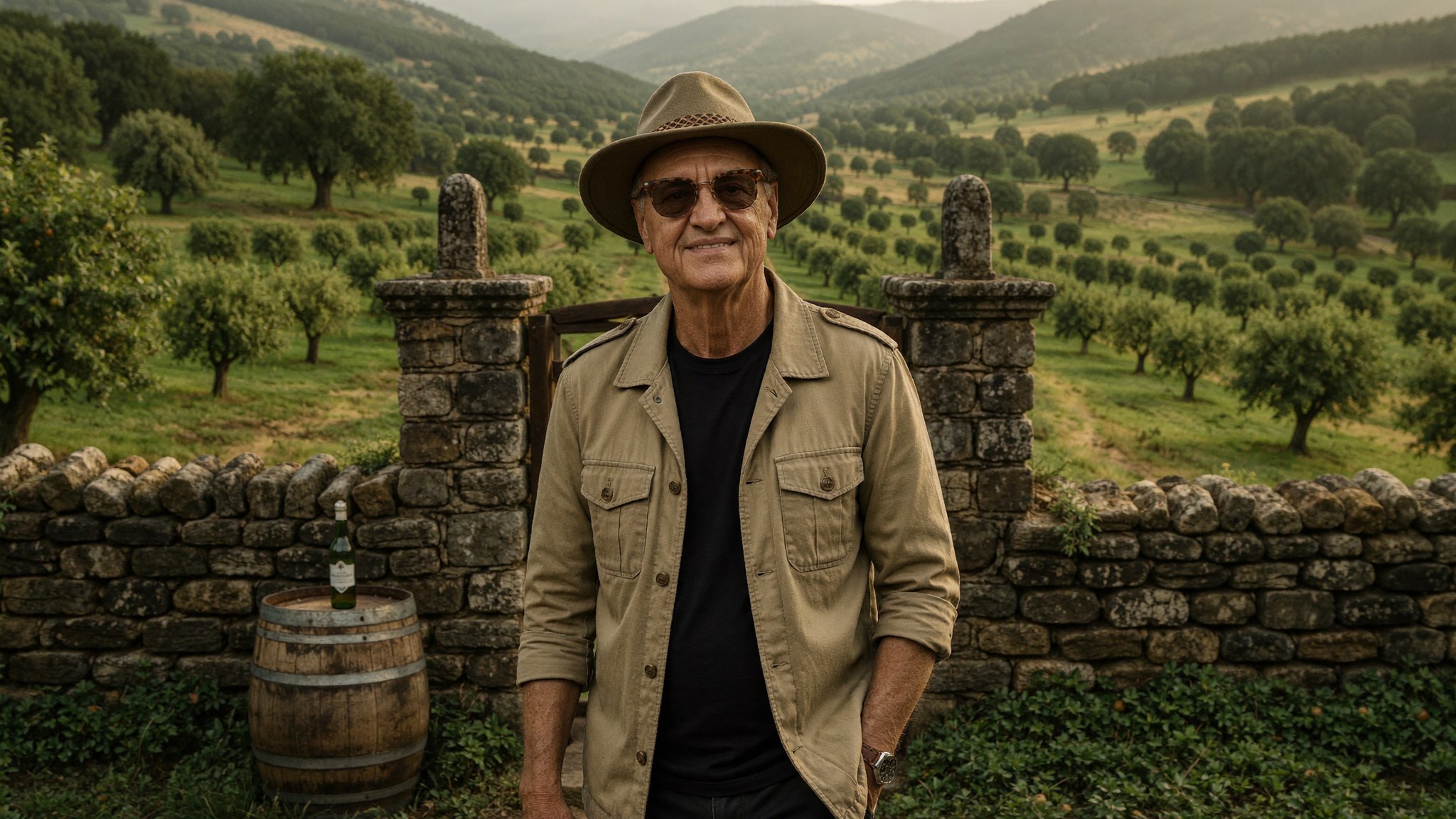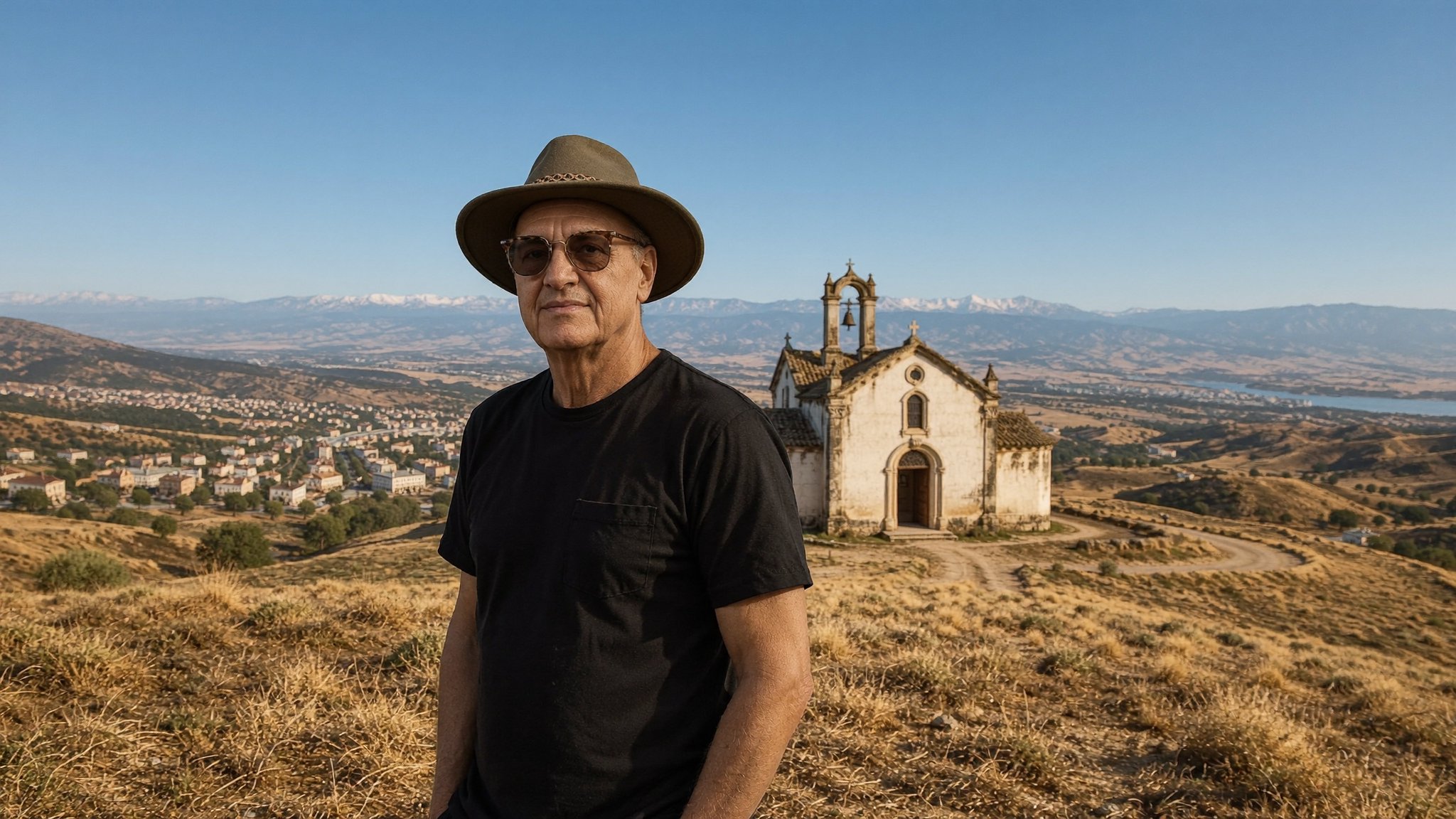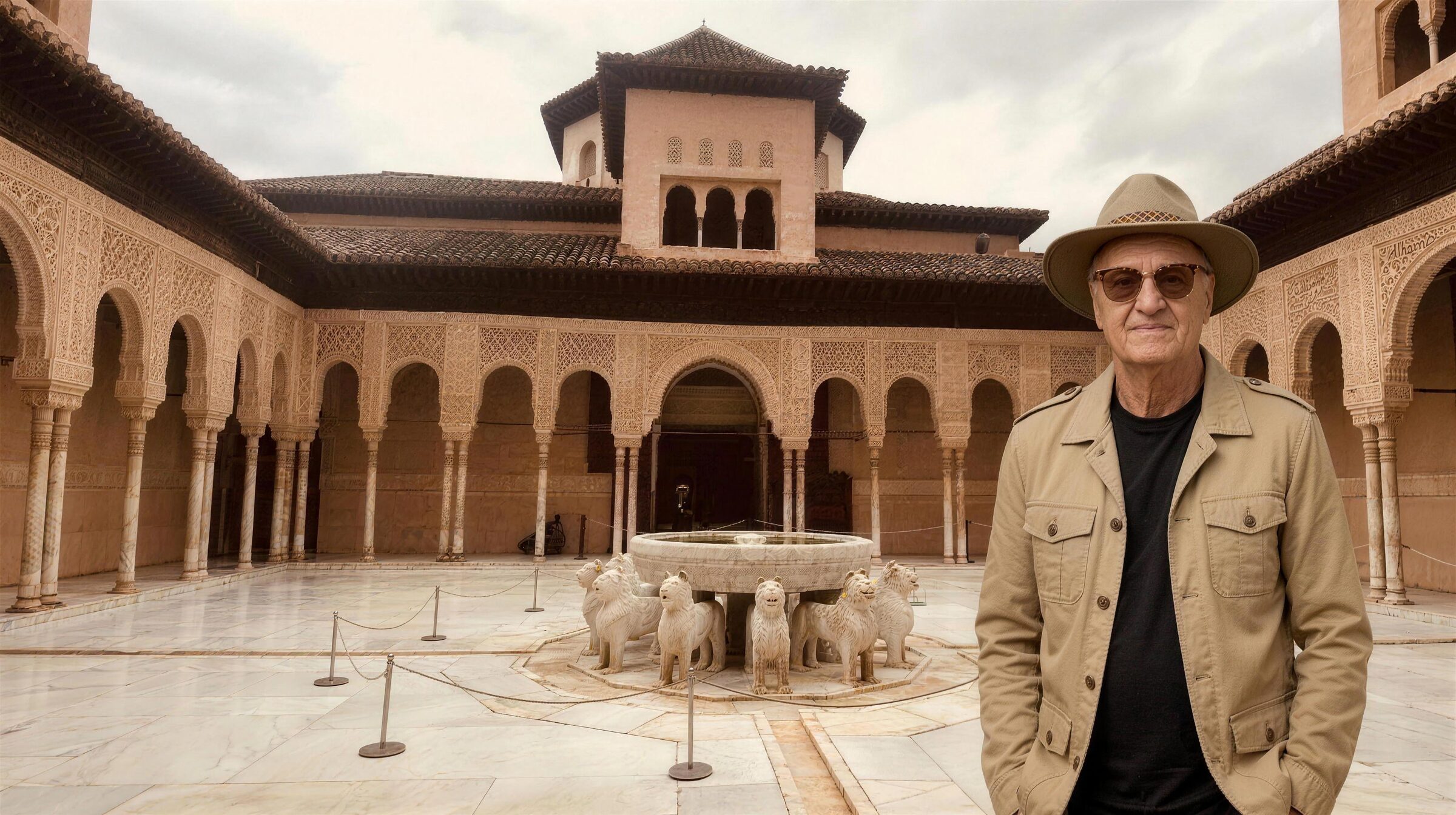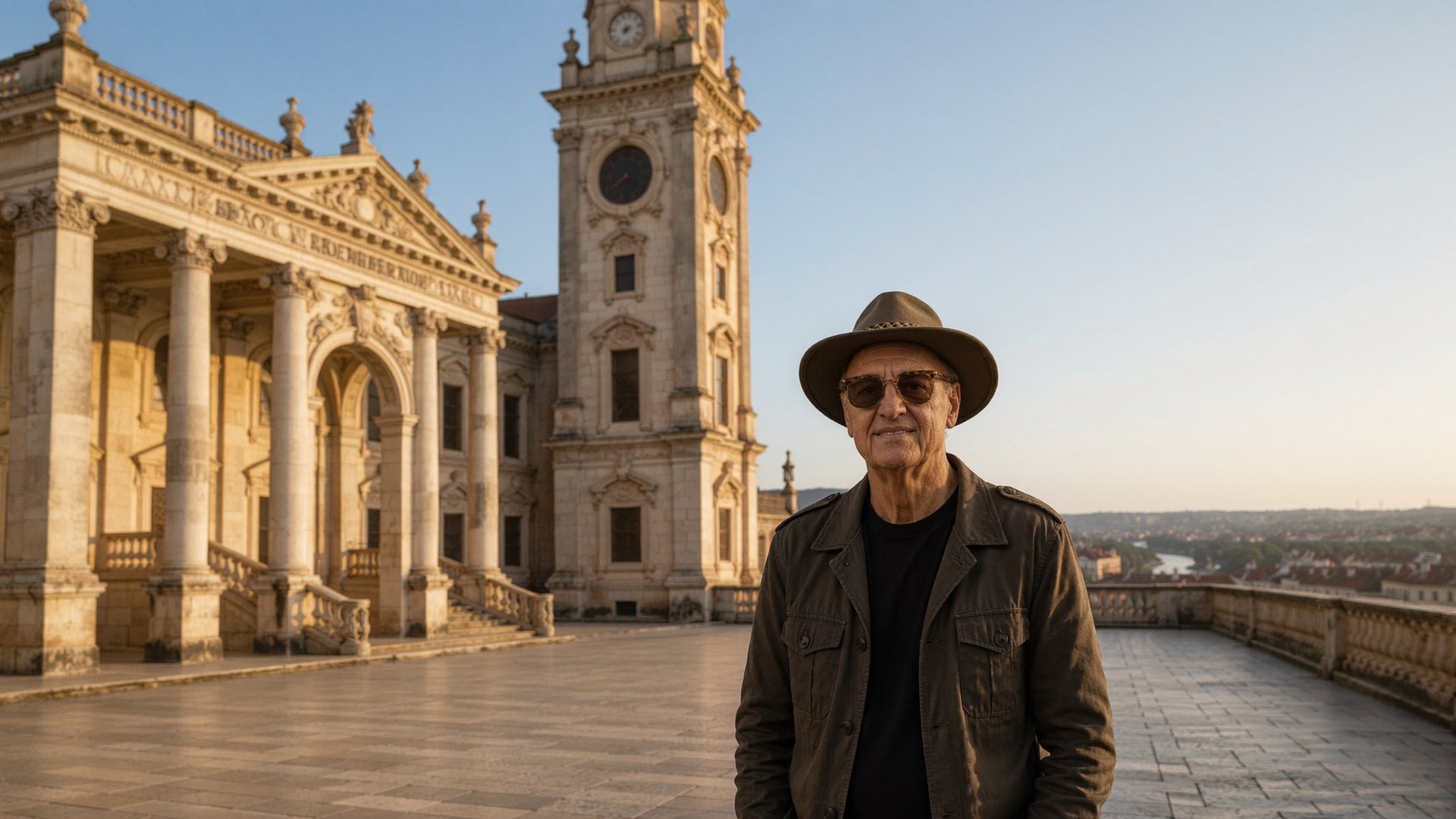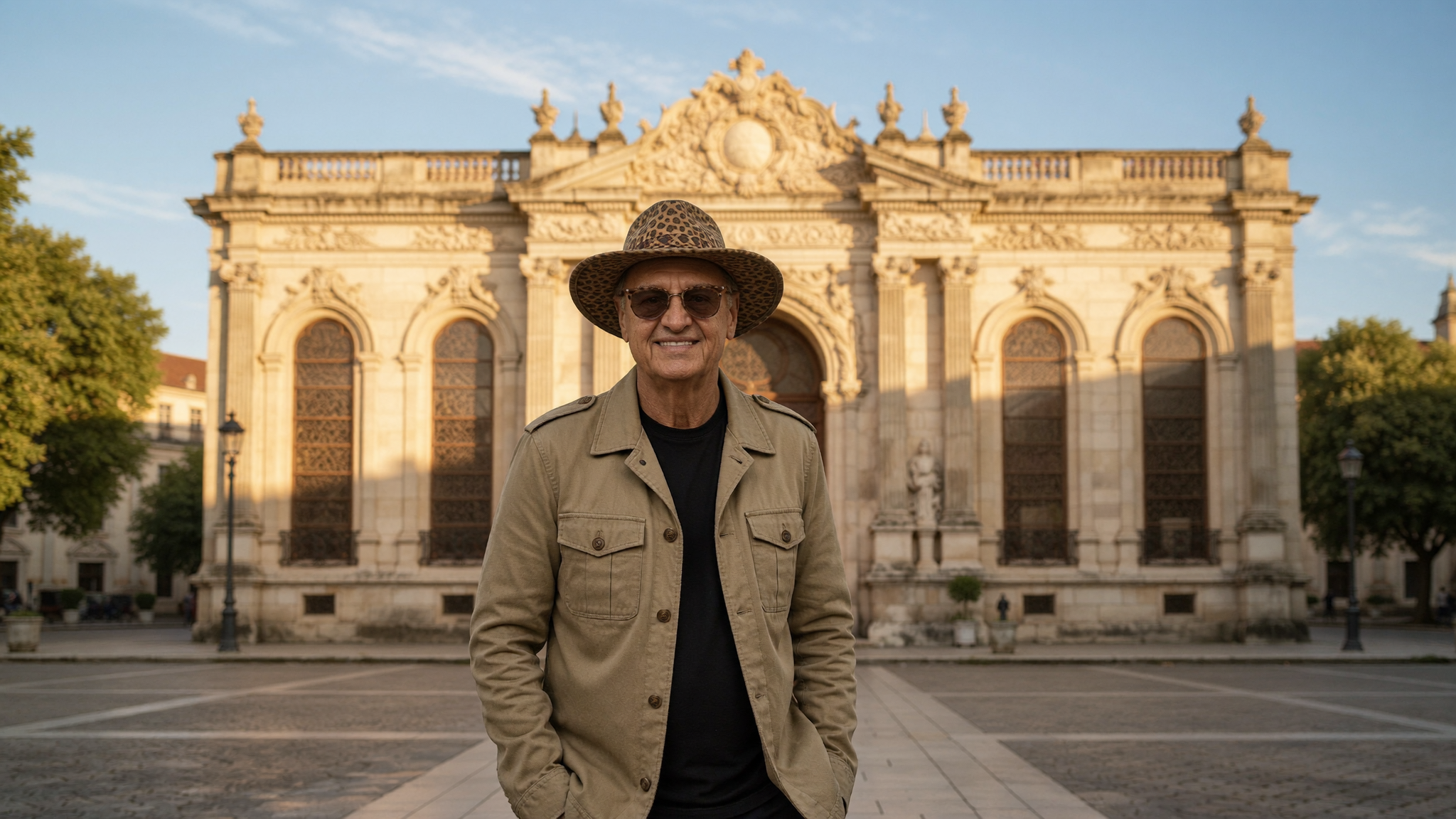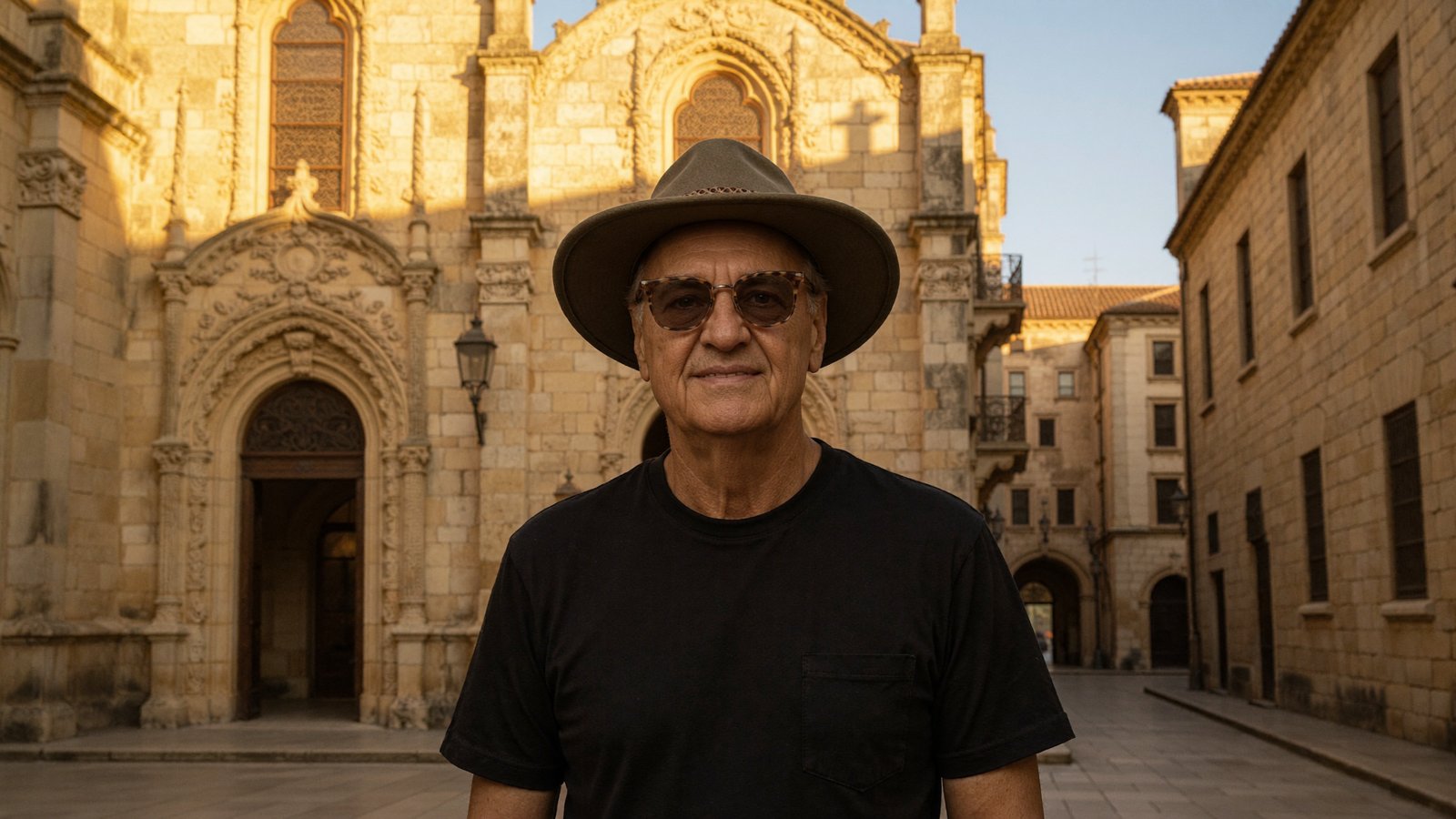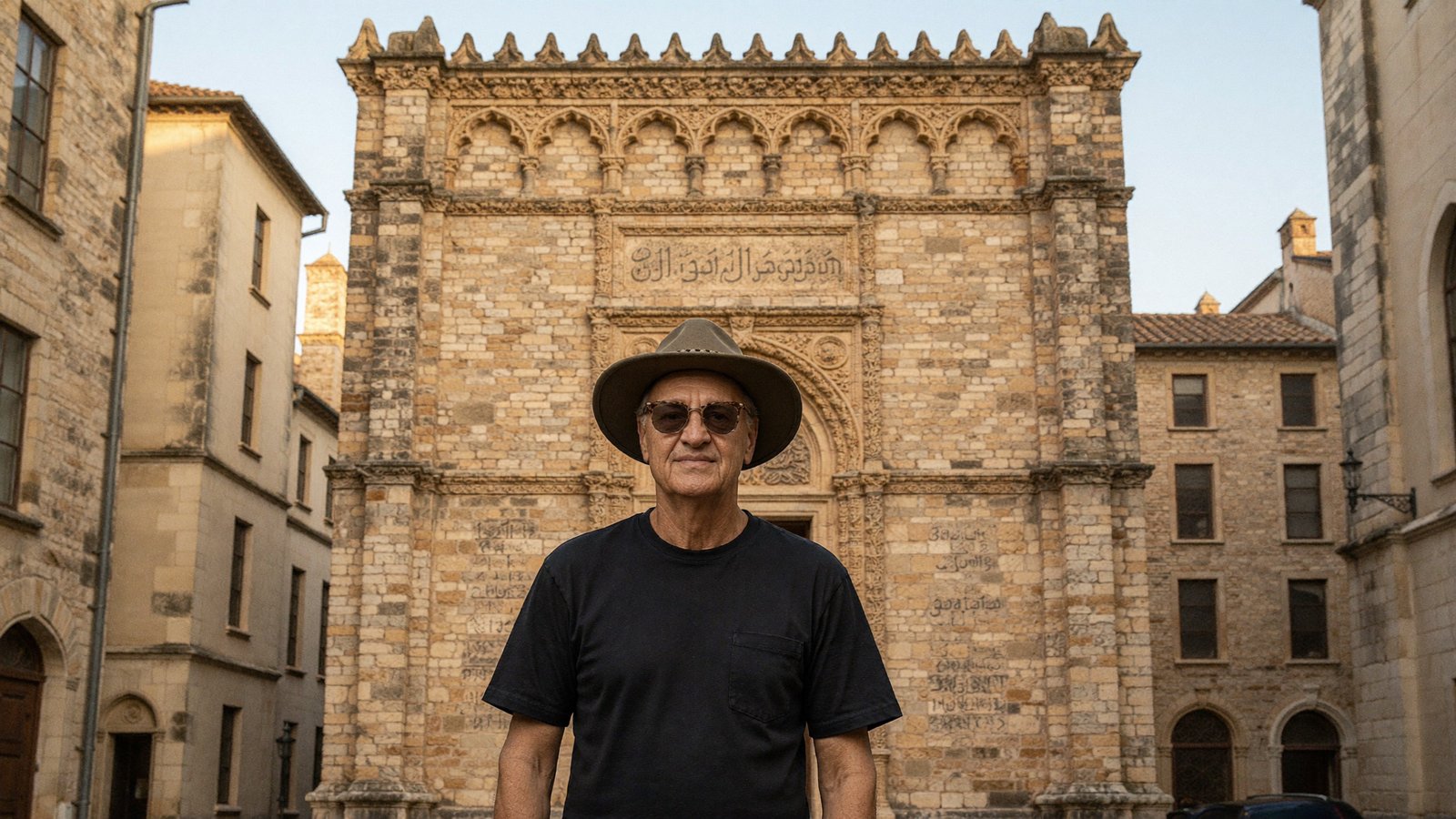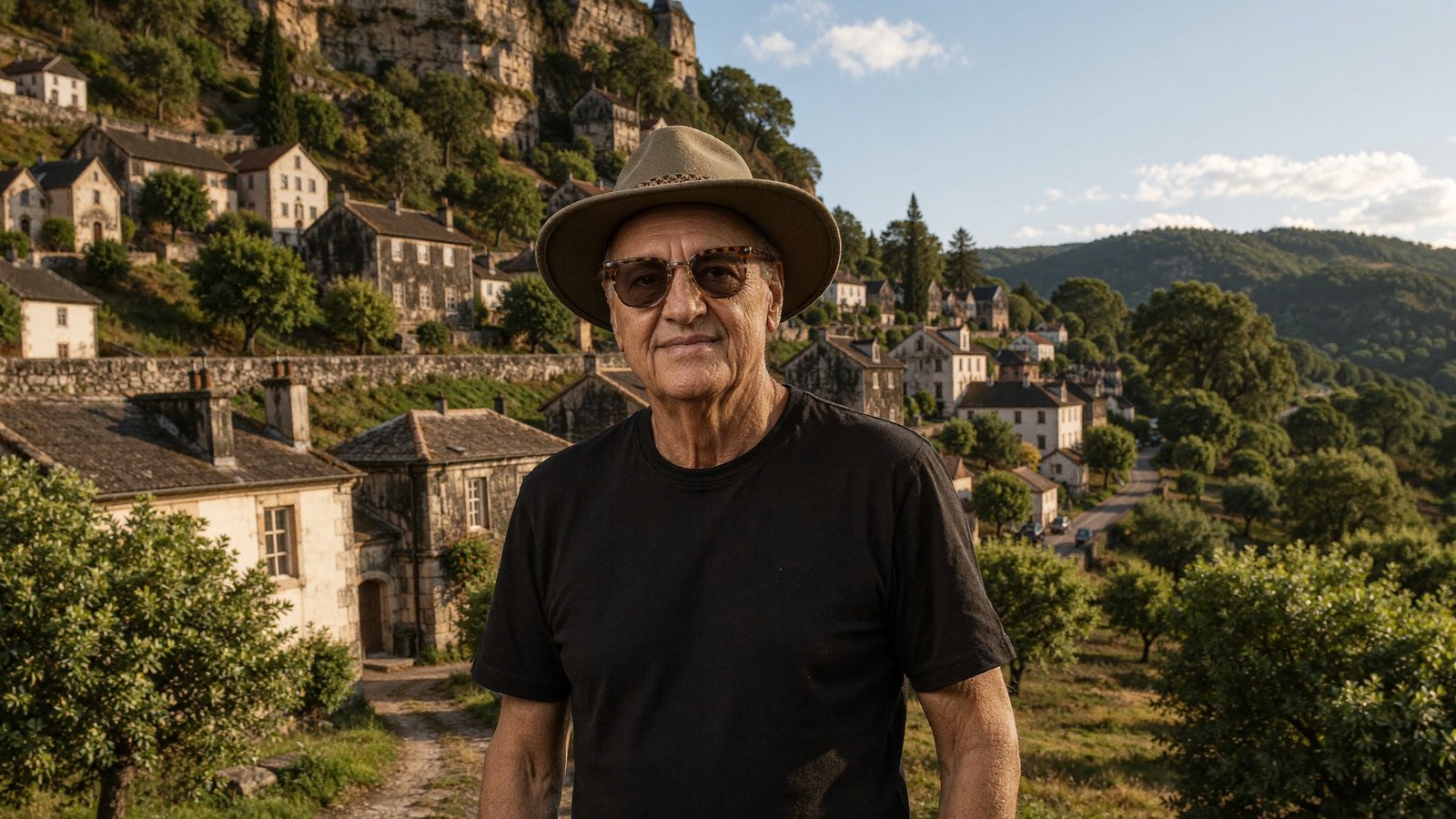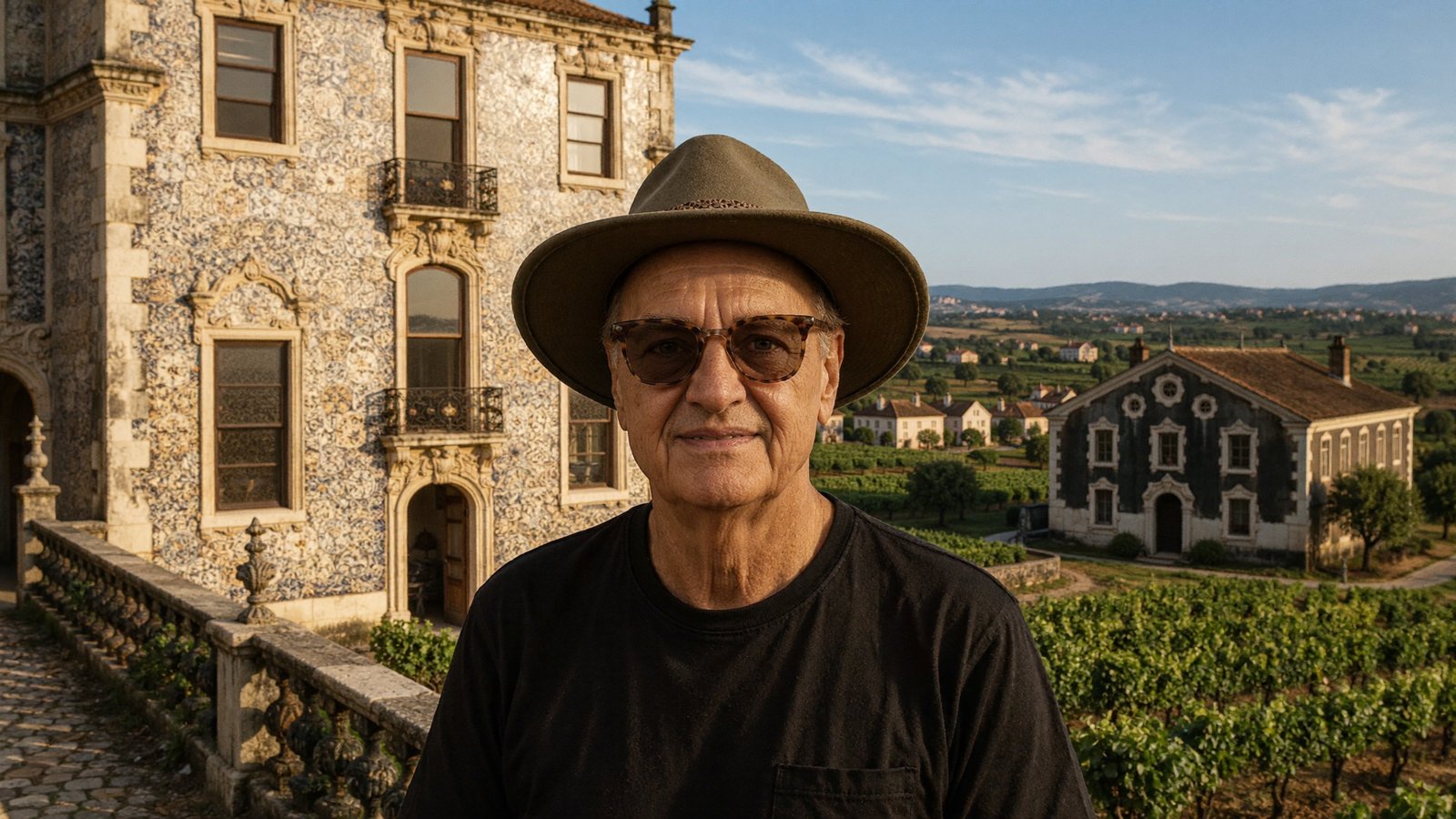
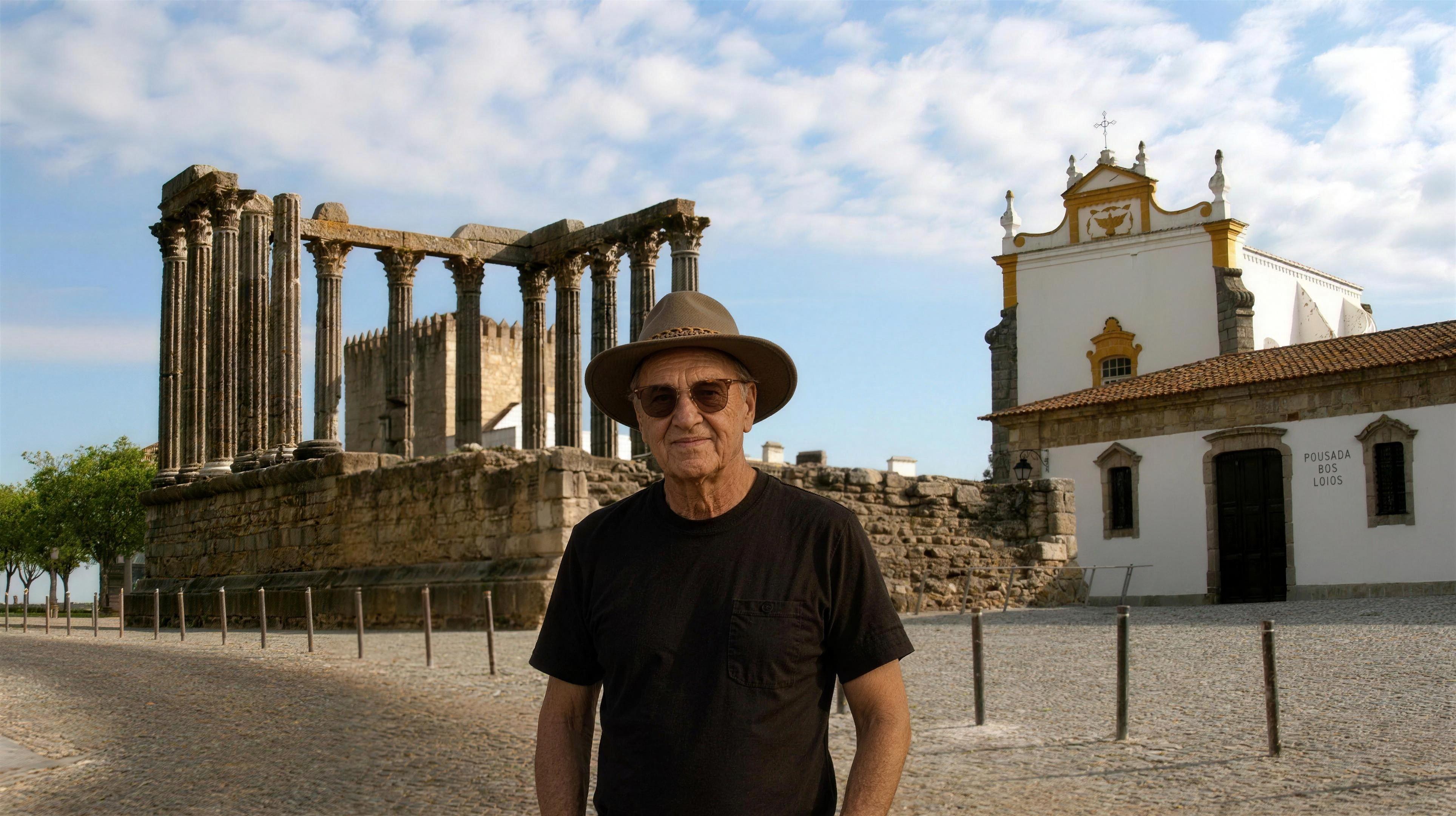
Your travel chronicle on Évora and the golden lands of the Alentejo, featuring Geraldo the Fearless (12th century), back when the young Portuguese kingdom was wresting its cities from the Almohads, while the Order of the Temple, born in Jerusalem at the hands of knights from France, was raising the fortress of its soldier-monks in Tomar.
Your Daily Iberian Travel Chronicle & Guide
You know, there are cities you visit with your eyes wide open, and others you must learn to watch at night. Évora is one of those.
You can read ten textbooks on the Reconquista, memorizing dates, kings, and battles. And yet, until you have placed your hand on the still-warm stone of an Évora wall at dusk, until you have looked up at a watchtower and imagined a shadow scaling it in silence, you will have felt nothing at all. You don't understand this city with your head. You understand it with a shiver.
For Évora, the white, the luminous, the wise city of marble and lime, hides a scene of blood in its coat of arms. A knight, sword held high, and at his feet, two severed heads. This knight has a name every Portuguese child knows: Geraldo Geraldes, known as o Sem Pavor, the one who fears nothing. The Fearless. And the story of the night he stole an entire city is one of the most unsettling that these lands have ever whispered to me.
Arrival in the City of Marble
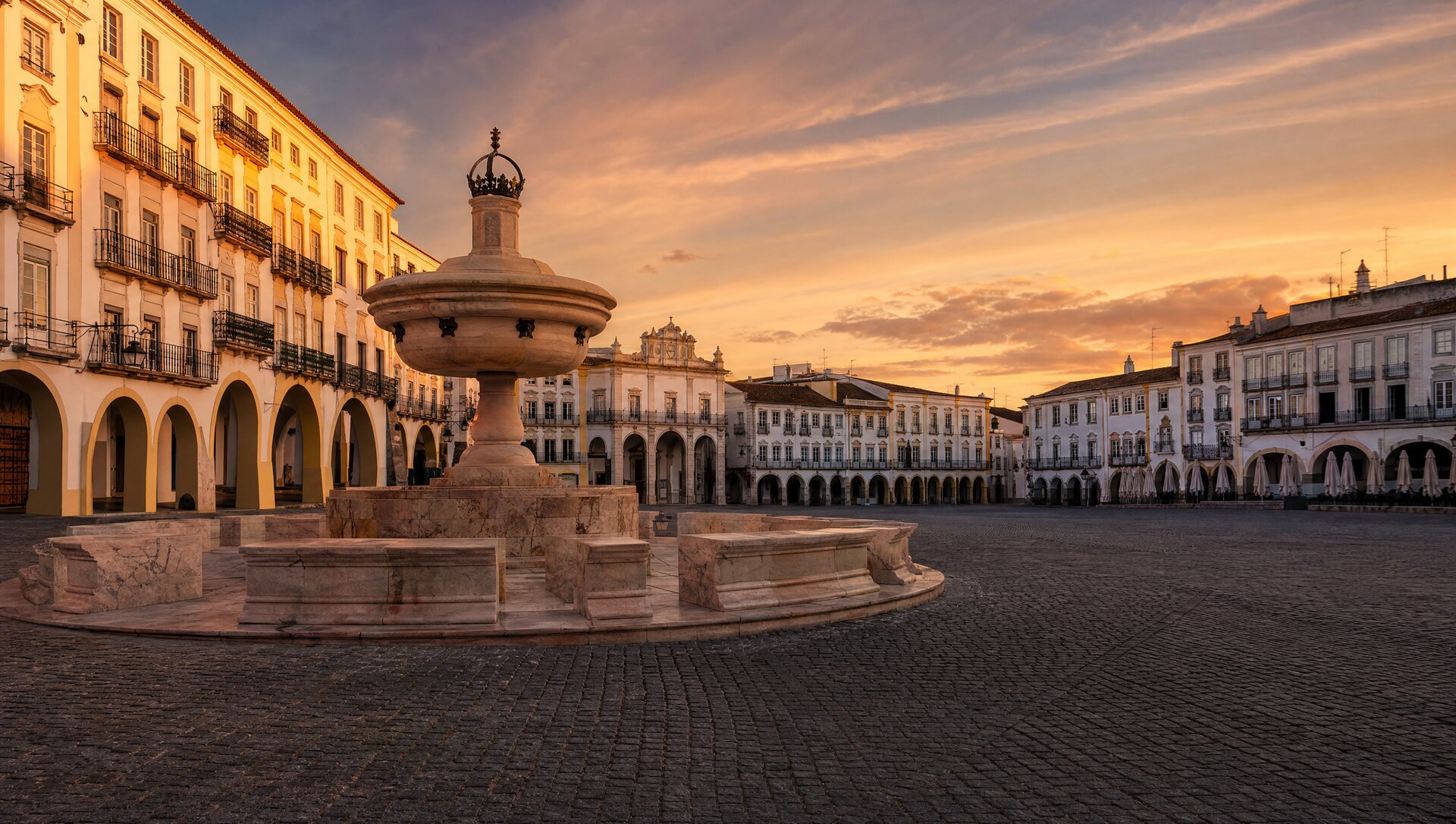
I arrived in Évora on a late afternoon of heavy heat, when the entire Alentejo seems to hold its breath. The light fell obliquely on the whitewashed facades, igniting ochres and pinks on the stone, while storks clattered their beaks atop the bell towers. There is a deceptive sweetness in this city, the peace of an old convent that makes one almost forget the violence of its birth.
Three companions were waiting for me on the Praça do Giraldo, the great square at the heart of the city, the very one that bears the name of my blood-soaked hero.
There was Joaquim, sixty-eight, an Alentejano with a face as tanned as saddle leather, whose family has been tilling these lands since the 19th century. He knows every olive tree, every well, every standing stone in the surrounding countryside. "Bem-vindo," he said to me in a gravelly voice, crushing my hand in his. "You’ve come looking for Geraldo? Be careful. Here, you never quite know whether to love him or fear him."
Beside him was Hélène, forty-two, a French historian and specialist in the Order of the Temple. She had come from France to follow the trail of the knight-monks on the peninsula, and her notebook was already overflowing with sketches of capitals and plans of fortresses. "You'll see," she whispered with a smile, "your bandit of Évora and my Templars are two sides of the same coin. The same era, the same king, and two radically opposite ways of entering history."
The third was Tiago, thirty-seven, a guide and archaeologist born in Évora, the type who lets nothing slide. "Beware of beautiful legends," he warned right away, with the mischievous eye of someone who has already disappointed many tourists. "They are prettier than the truth. But the truth, here, is much more interesting than the legend."
You who are reading this, admit it: with a warning like that, you would have wanted to know more, too.
A Man Without King or God
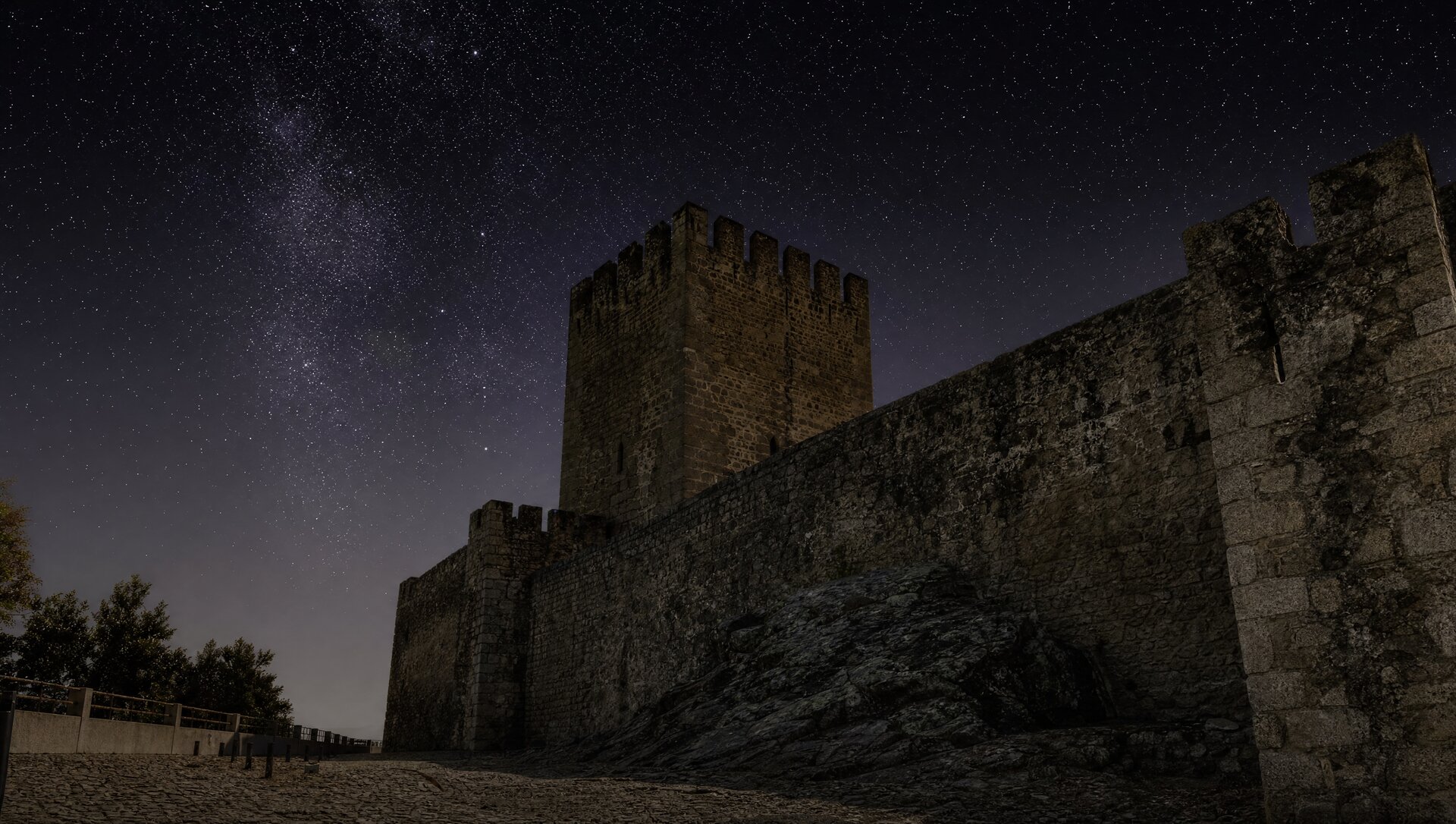
To understand Geraldo, you must first forget the image of the knight in shining armor, kneeling before his king. Geraldo was none of that.
He was a man of noble blood who had fallen into disgrace, becoming the leader of a band of outcasts living on the fringes of the law, lurking in a small castle near Yeborath, as the Moors then called Évora. An outlaw. A frontier warlord, of the kind the Spanish so aptly call a caudilho.
"The most fascinating part," Tiago explained as we walked along the old ramparts, "is that Geraldo was neither truly on the side of the Christians nor the Muslims. He was on his own side. He pillaged, he negotiated, he changed alliances whenever it suited him. One day in the service of the King of Portugal, the next in talks with the emirs. He served only one cause: his own."
His method was always the same, and it chilled the blood of the local populations. He would approach a stronghold under the cover of darkness, scale the walls, slit the sentry's throat, and lead his men into the sleeping city before anyone could raise the alarm. It is said that he would shout insults in Arabic to sow confusion among the enemy, who would wake in a panic, unsure of where the attack was coming from. The looting that followed was brutal and methodical.
"That's what makes him so modern, almost novelistic," Hélène whispered. "Our textbooks love pure heroes. Geraldo is not one of them. And that is precisely why he feels real."
I paused for a moment, my hand resting on the warm stone of the rampart. Imagine, dear reader, this man in the dark, breath shallow, knife between his teeth, listening to the footsteps of a guard on the other side of the wall. There is nothing glorious about that. There is only fear, cunning, and the audacity of a predator. And yet, this is how half the cities we admire today were born.
The night Évora changed hands
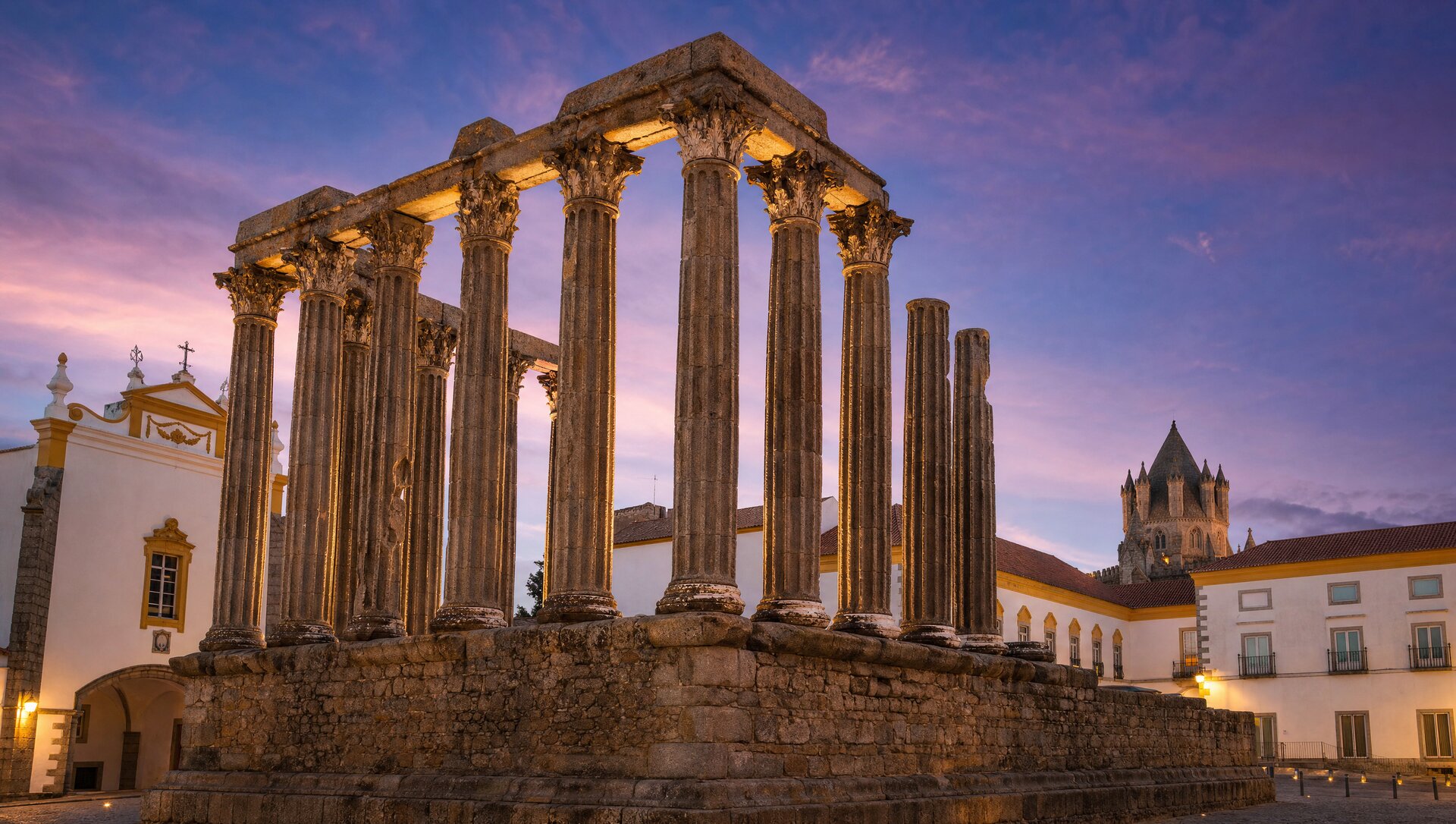
We had arrived near the Roman temple, those granite columns standing for twenty centuries at the top of the city, the last vestige of an even older Évora. It was there, in the mauve light of the late afternoon, that Joaquim picked up the thread of the story, for he likes to tell it in his own way—slow and solemn.
"It was 1165," he said. "King Afonso Henriques, our first king, was pushing south, tearing one stronghold after another from the Almohads. Évora was one of the most important cities in the entire western peninsula. To take it was to change the map of the known world."
Geraldo understood this truth. While passing near the walls of Évora during a raid, he had noticed that the city was poorly guarded. He convinced his companions to attempt the unthinkable: a nighttime assault on one of the great cities of the south. And in September of that year, the surprise was total. Évora fell in a single night. It would never again be retaken by the Moors.
"But here is the strangest part," Tiago smiled. "Geraldo didn't keep the city for himself. He soldit."
I thought I had misheard. Sold it?
"Sold it, yes. He offered it to Afonso Henriques in exchange for money. The king, overjoyed to receive such a jewel without having shed the blood of his own men, made him the alcaide of Évora—governor of the city—and fronteiro-mor, chief guardian of the entire Alentejo frontier. An outlaw who became, in one night, the lord of one of the most beautiful cities in the kingdom."
There is a dizzying lesson in this story about power and money, about the thin line that sometimes separates the brigand from the lord. Tell me, you who are reading this: how many of our great families, our titles, and our national glories were born from a night like that, from a stroke of audacity that we later chose to dress up in nobility?
Meanwhile, in Tomar
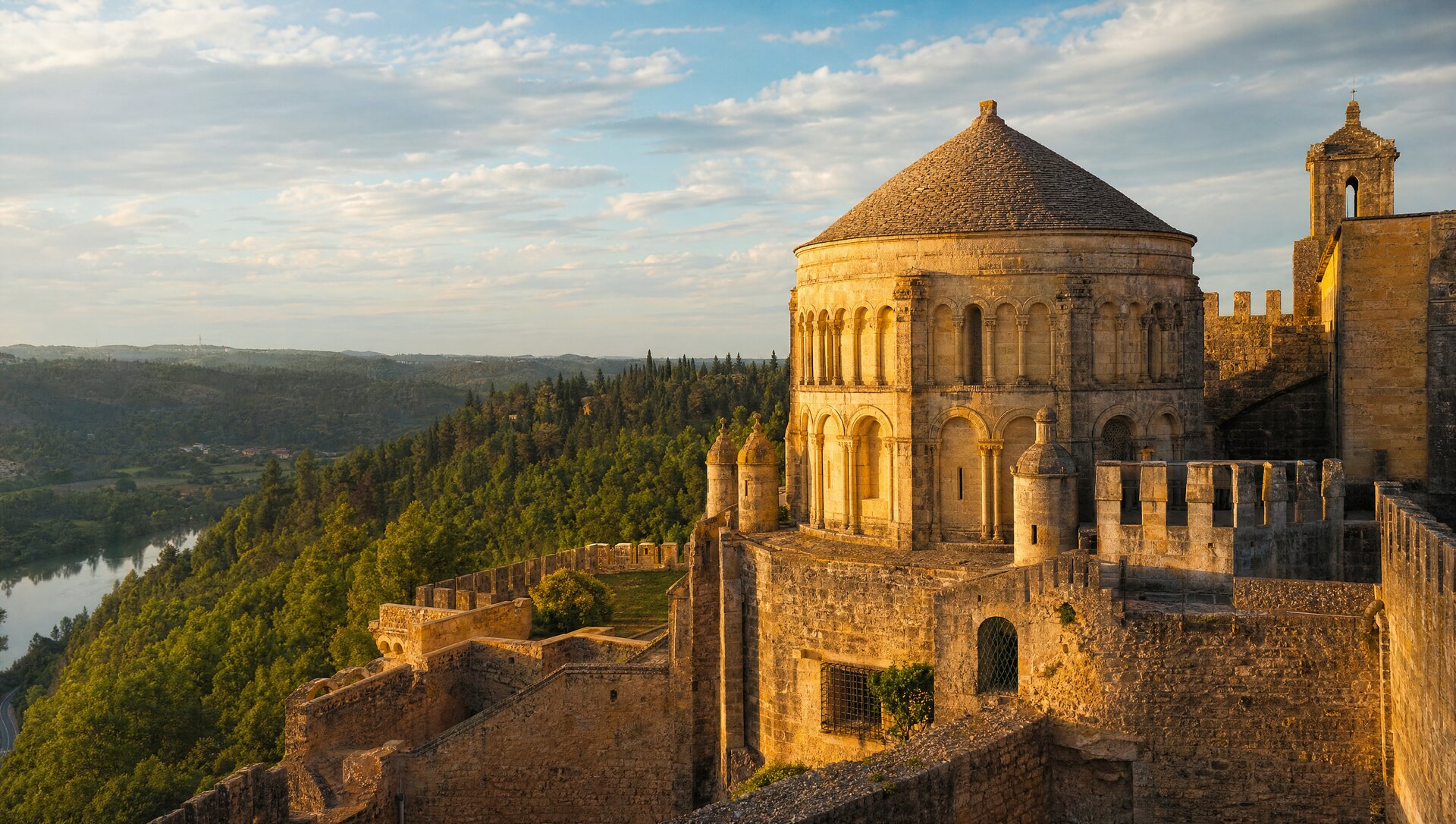
It was Hélène who, that evening on a café terrace in the square, opened up the other side of the story. The one that, for once, brought the thread back to her native France.
"While your Geraldo was taking Évora by ruse in the south," she began, slowly stirring her cup, "two hundred kilometers to the north, something quite different was happening. Something else, but at the same time, under the same king."
She was talking about Tomar. And the Templars.
The Order of the Temple, it must be remembered, was not born in Spain or Portugal. It had originated in Jerusalem around 1119, at the hands of a handful of knights from France, led by a man from Champagne, Hugues de Payns. Nine men, it is said, to protect pilgrims on the roads of the Holy Land. Ten years later, in 1129, it was in France again, at the Council of Troyes, that their rule was solemnly established with the support of Bernard of Clairvaux. An order deeply marked by France, then, which would soon extend its reach to the far corners of Iberia.
"The Templars arrived very early in Portugal," Hélène continued, her eyes shining. "As early as 1128, Countess Theresa gave them the castle of Soure. Then, in reward for their feats of arms against the Moors, Afonso Henriques gifted them the lands of Ceras around 1159. And that is where an extraordinary man enters the scene: Gualdim Pais."
Gualdim Pais. A Portuguese man, born near Braga, knighted by the king himself after a battle, who spent five years fighting in the Holy Land, even reaching the walls of Gaza. He returned as Grand Master of the Order of the Temple in Portugal. In 1160, he chose a hill overlooking the Nabão River and laid the foundations of Tomar, the castle and convent that would become the Templar heart of the kingdom. There would rise the Charola, that strange round church inspired by the Holy Sepulchre in Jerusalem, one of the few of its kind in Europe.
"Do you see the contrast?" Hélène asked me. "On one side, Geraldo: the lone adventurer, a lawless rogue who takes a city just to sell it off. On the other, an international order—disciplined, spiritual, arriving from France and the Holy Land to build for the ages. Two men, two methods, one kingdom in the making. One is the wolf, the other the monk in armor. And yet, without both, Portugal would not be Portugal."
I remained silent for a long time, mulling over this idea. Because it is true: a nation is never built by a single hand. It needs its saints and its brigands, its orders and its outlaws—those who build cloisters and those who scale walls in the dead of night.
The Legend of the Troubadour and the Two Heads
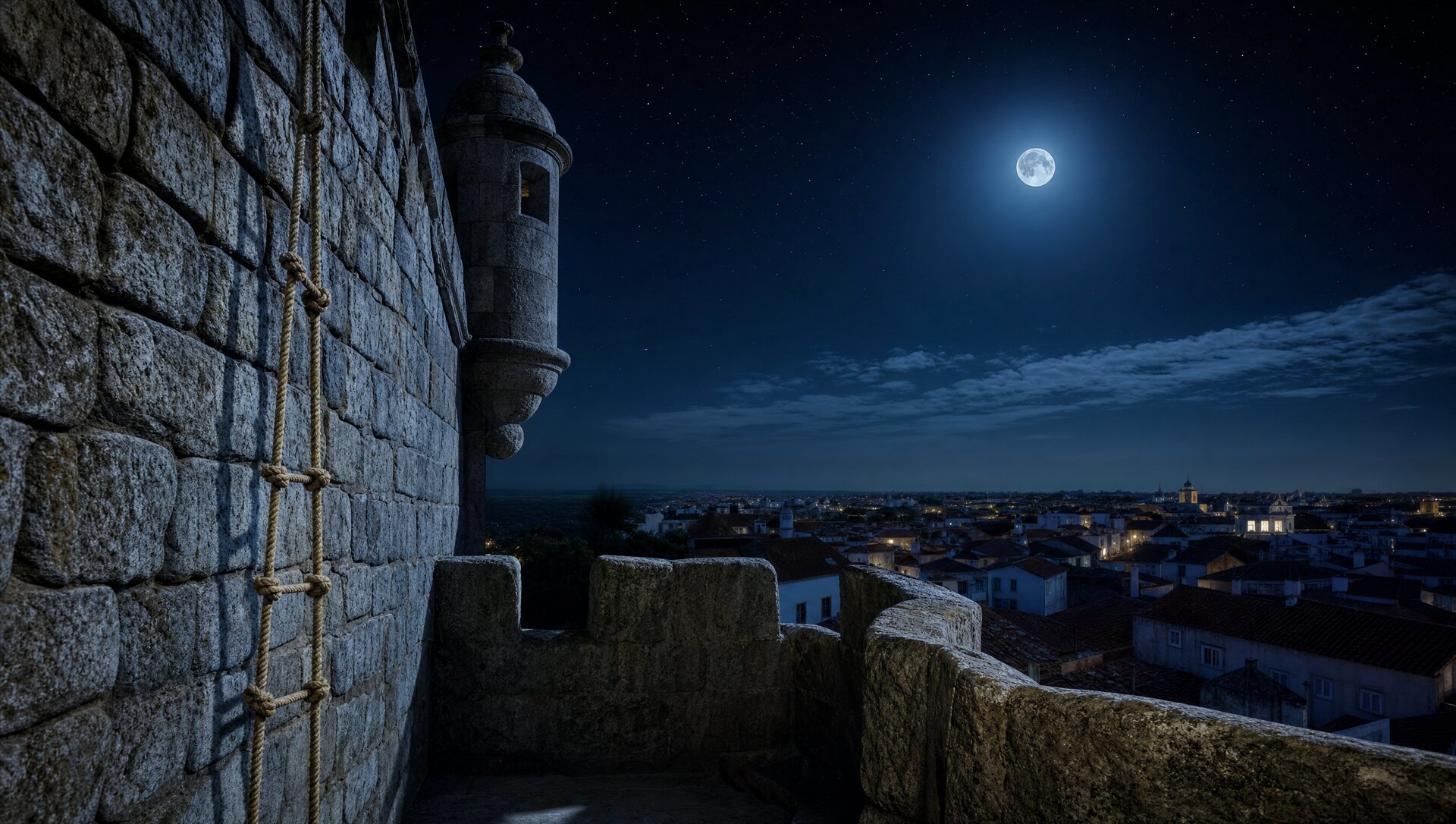
The next morning, on the Praça do Giraldo, as the city was barely waking up, an old man was selling almonds and dried figs at the corner of the arcades. Joaquim knew him, greeted him warmly, and the man, whose name was Firmino, approached us with a slight limp. When he learned what we were looking for, his gray eyes crinkled with delight.
"Ah, the Sem Pavor!" he whispered. "Do you want the real story, or the one people tell?"
We wanted both, of course.
"People here say," he began, lowering his voice as if sharing a secret, "that Geraldo wanted to redeem his honor and win a pardon for his men. So, he disguised himself as a troubadour and entered Évora singing, acting as if nothing were amiss, just to scout the place. He had noticed that the castle's great tower was guarded only by an old Moor and his daughter."
Firmino paused, savoring the effect.
"One moonless night, he returned. Alone. He scaled the tower in silence and killed the two guards—the father and the daughter. Then he seized the keys to the city, signaled to his men hidden in the shadows, and a sleeping Évora fell without even realizing what was happening. That is why, on our city's coat of arms, you see the horseman and the two severed heads. The old man and the young girl."
A silence followed. Joaquim nodded slowly, the way one acknowledges an old family story. But Tiago, the archaeologist, couldn't help but offer a respectful, quiet qualification.
"It's a beautiful legend," he said. "But the chronicles are more sober. They speak of a night raid, a poorly guarded city, a skirmish led by a bandit chief, and a city subsequently sold to the king. No troubadour, and not necessarily a young girl. The legend embroidered the facts to give it a soul."
Firmino laughed, not the least bit offended. "Of course, senhor. But tell me: does it take anything away from Évora to know that its most beautiful story might be partly a dream?"
And there, no one knew how to answer. Because that is exactly what the soul of these old Iberian cities is: a foundation of facts as hard as granite, and over it, a lace of legends woven by the people to make their past bearable—and beautiful.
A Final Look at the Square
Evening was falling again when I found myself alone on the Praça do Giraldo. Hélène had returned to her Templars, Tiago to his excavations, and Joaquim to his olive groves. The square was slowly emptying, and the golden light returned to glide over the white arcades, exactly as it had the day before, exactly as it had eight centuries ago.
I thought of these two men, so diametrically opposed. Geraldo the Fearless, the wolf of the Alentejo, who died far from everything around 1173 near Ceuta, in Africa, after serving Christian kings and Almohad caliphs in turn, loyal to no one but himself. And Gualdim Pais, the soldier-monk, builder of Tomar, who died in his fortress surrounded by his brothers, having offered his life to an order greater than himself. Two graves, two destinies. And yet, the same land, the same king, the same century in which a kingdom called Portugal was born, in blood and in prayer.
You who read this, and who perhaps dream of one day setting down your bags somewhere in these golden lands of the Alentejo, in a white house amidst the olive trees, remember this: the absolute calm of these villages, the softness of this light, the almost unreal peace of these squares—all of it was hard-won. Every white stone was once a stone of defense. Every comfort of today is the fruit of the audacity of the past.
There are journeys that give you postcards. And there are others, rarer, that give you ghosts. Évora is one of those. You come for the marble and the light, and you leave with the shadow of a fearless horseman who stole a city in the night, clinging to your shoulder.
Category: Characters · Country: Portugal · Location type: Historical sites
You know, uncovering these stories comes at a price. Traveling to these places, digging through archives, cross-referencing Portuguese chronicles with French sources, and verifying every date with historians—it all takes time. And for an independent author, time is the only currency that truly matters.
If these stories resonate with you, if you’re the kind of person who wants to be transported rather than just informed, supporting this work will cost you less than a coffee and a glass of Alentejo wine. For €5 a month, you get the newsletter, the latest stories, and early access to two pieces before anyone else. And as long as you’re a member, the entire library is yours: every ebook I’ve written is included in your subscription.
If you ever decide to leave, none of the ebooks disappear: you can always purchase them individually for €9.90 each.
Because a journey never truly ends. It continues, somewhere between the pages and the memory. — Lucas Lunes, author of Ancient Stones