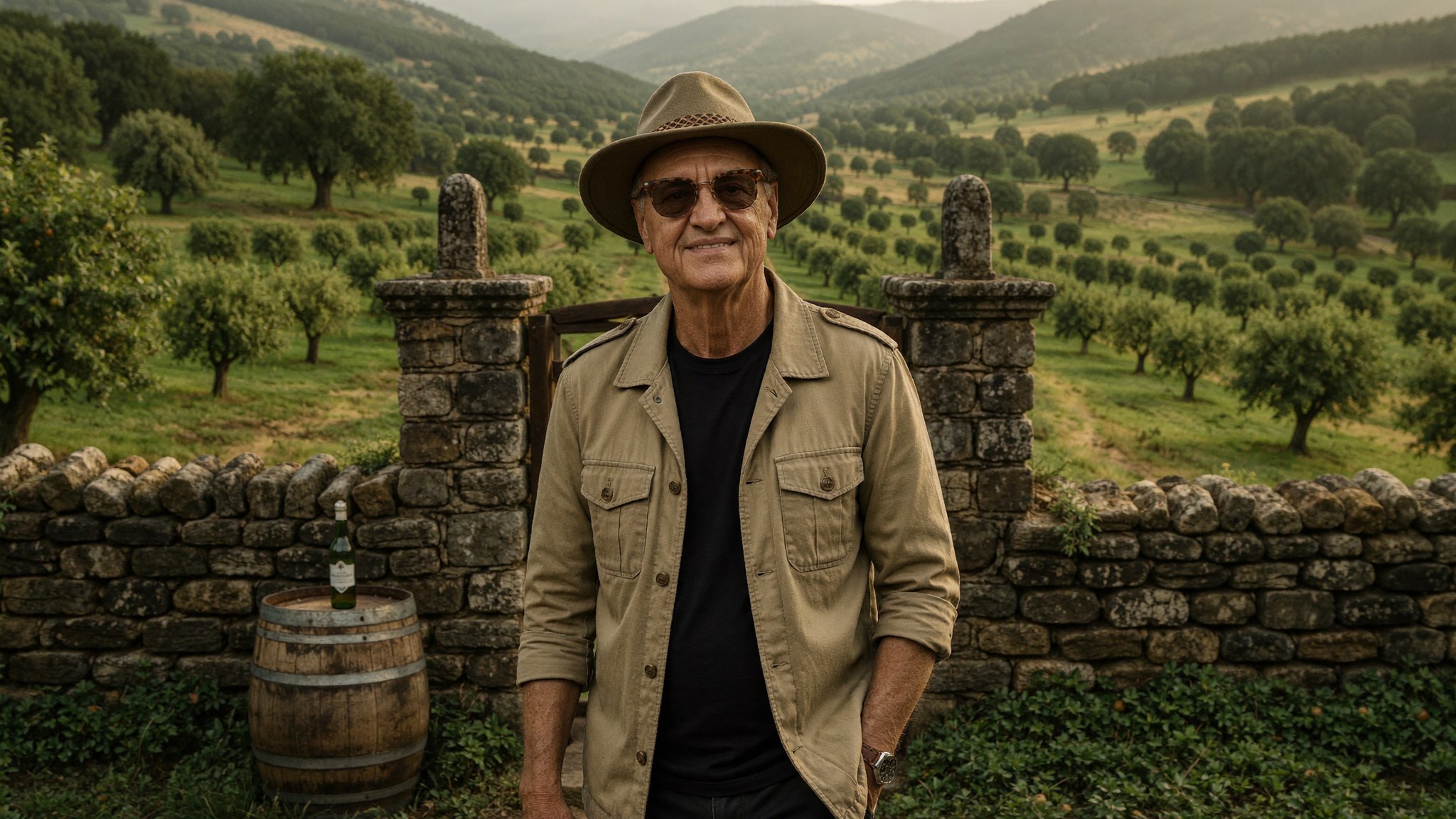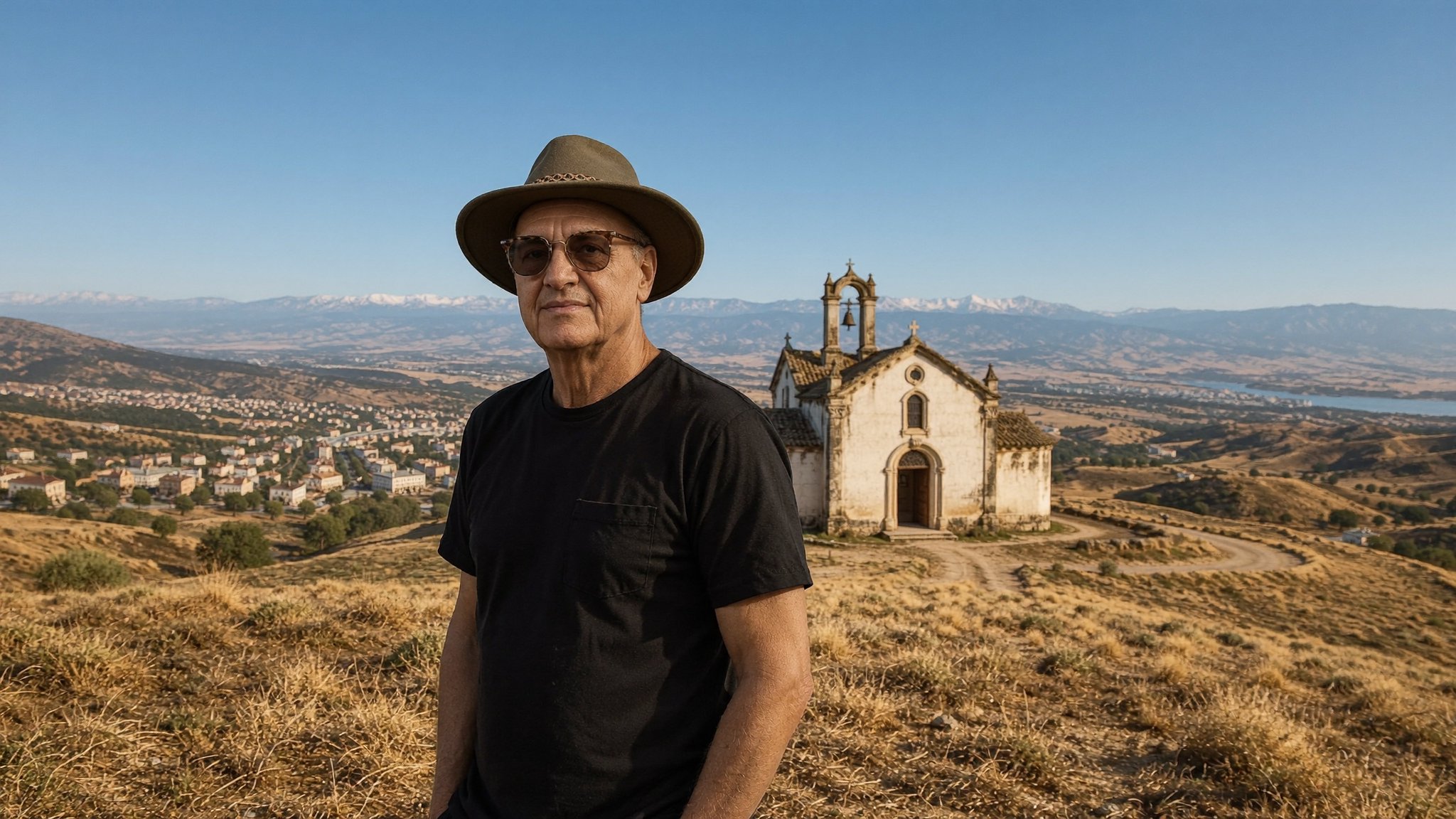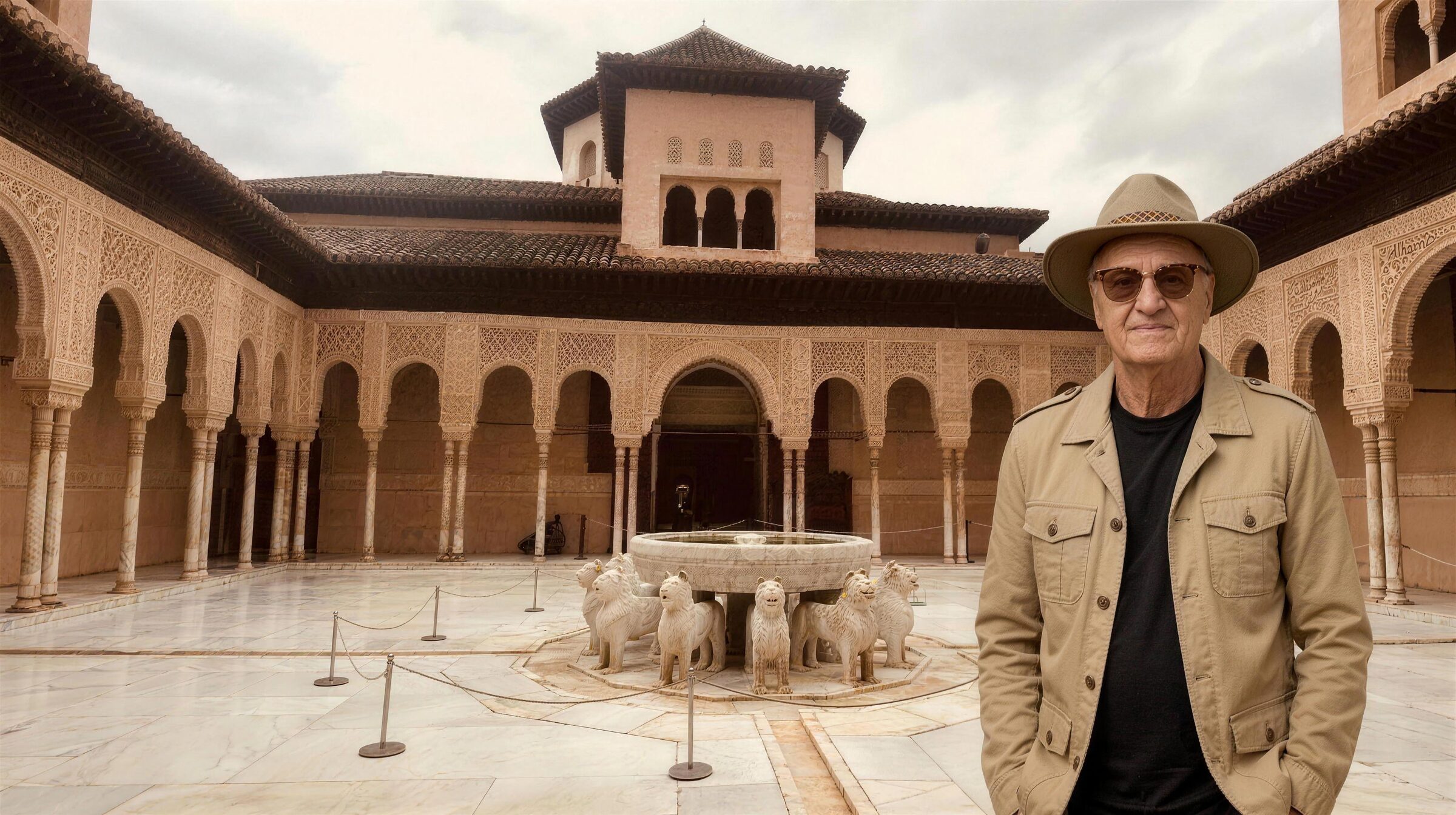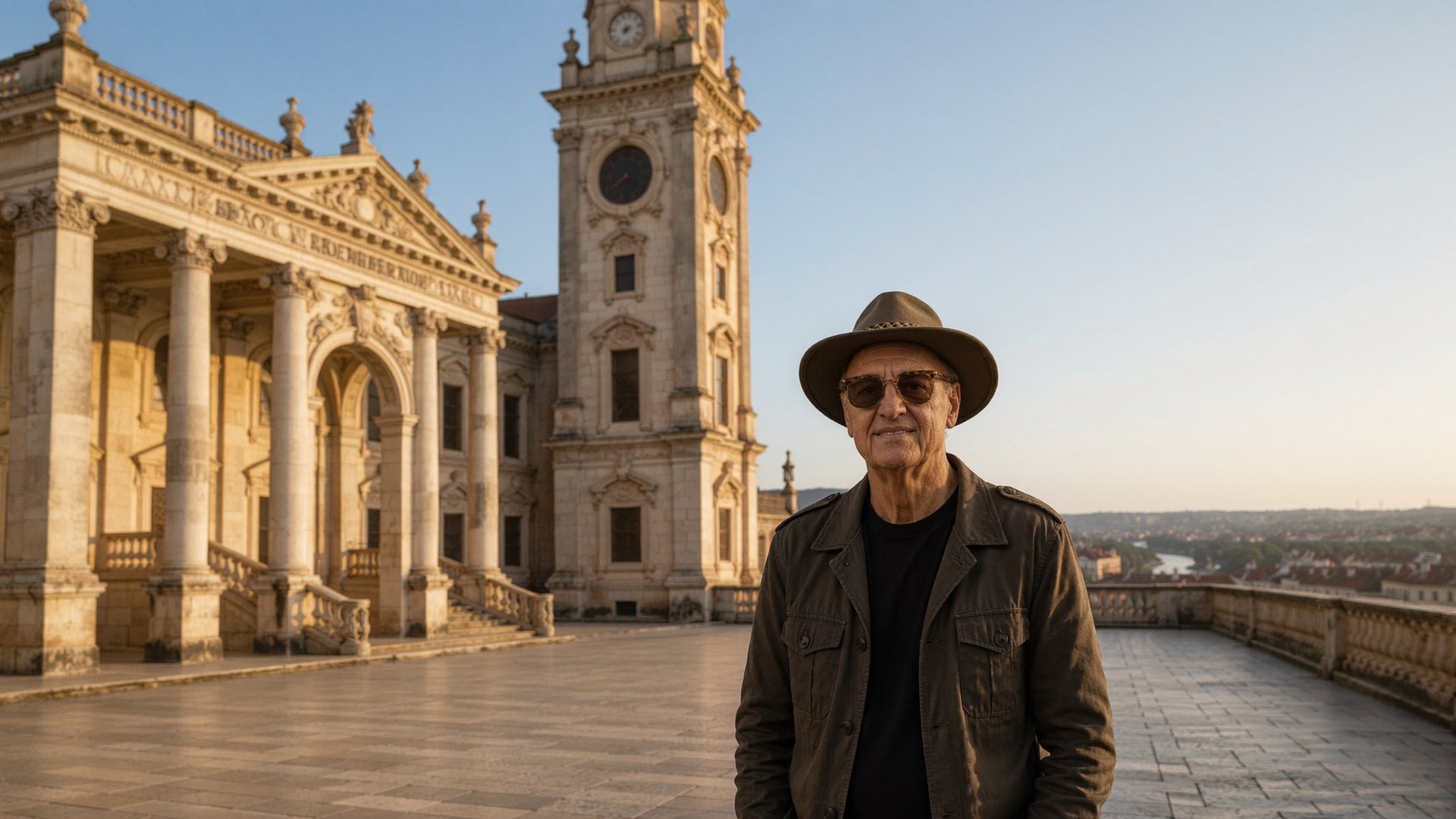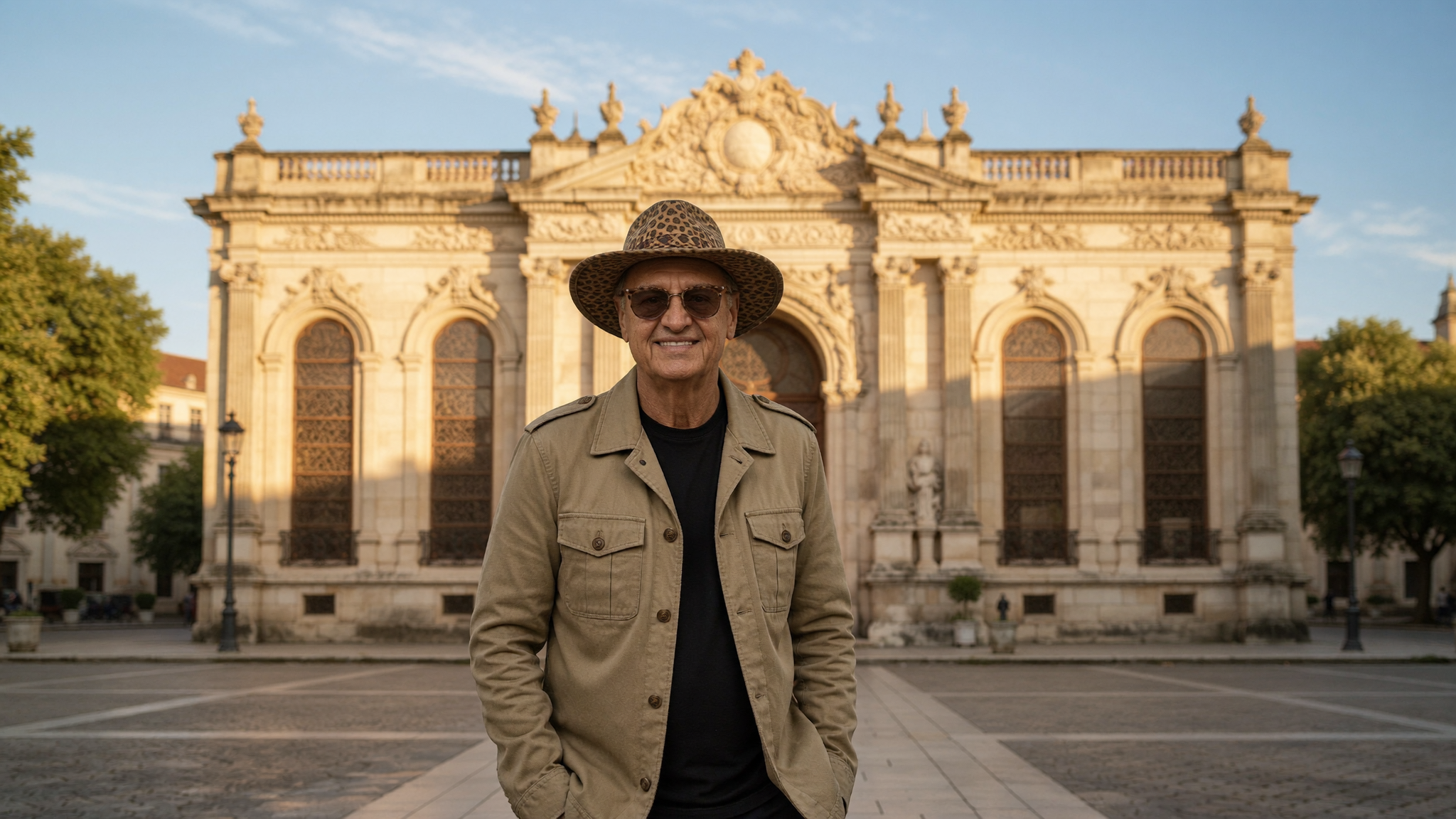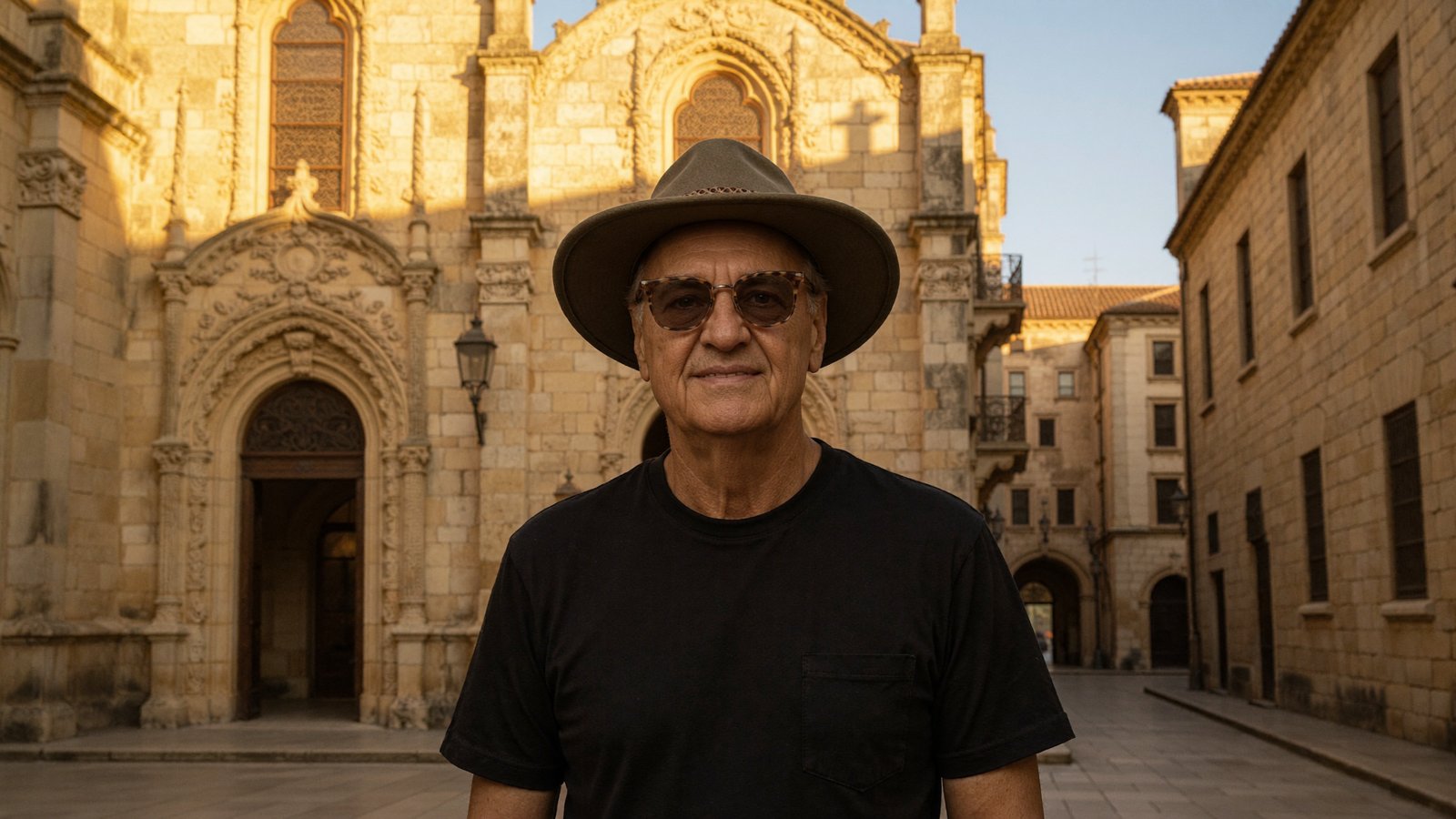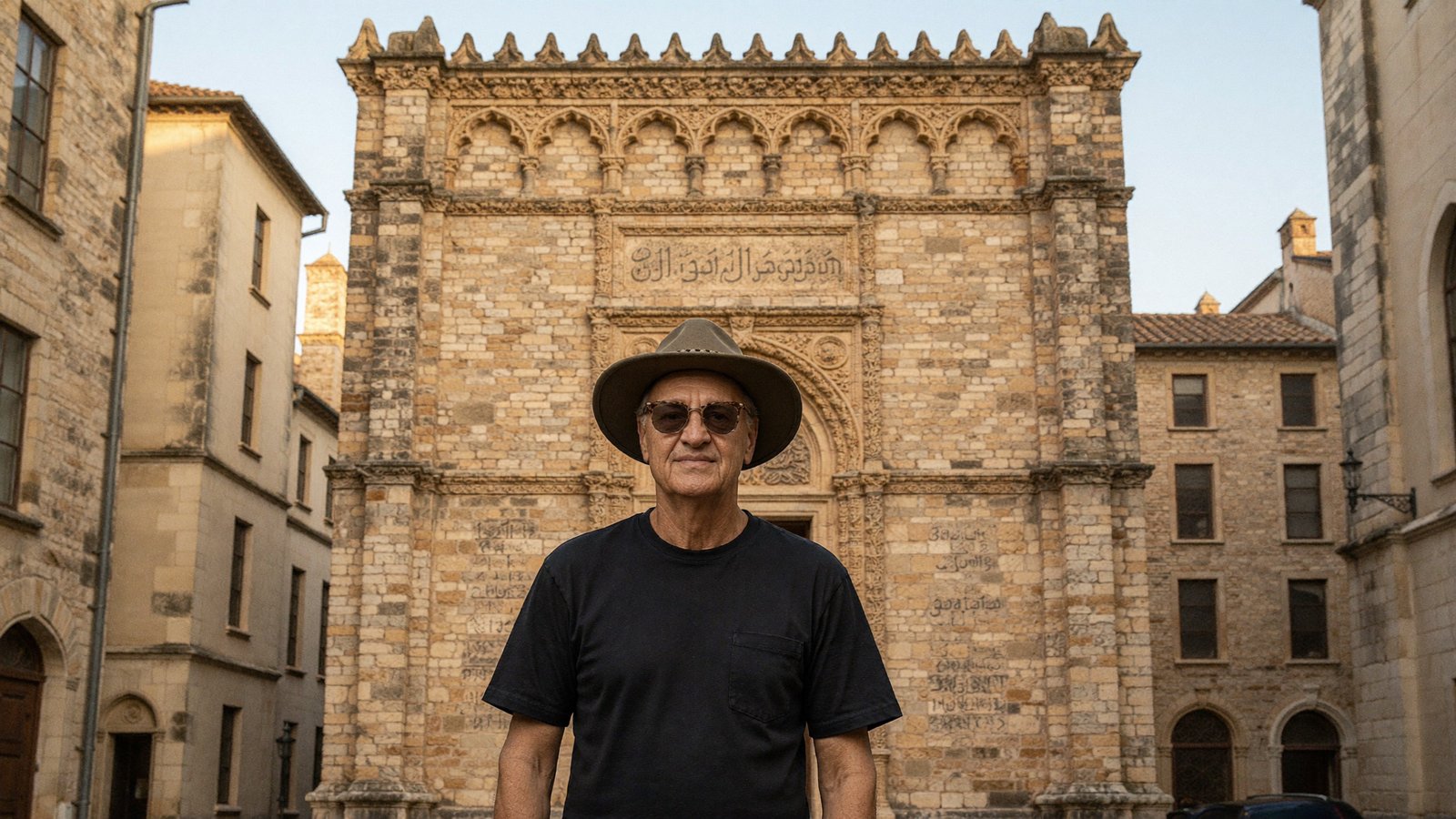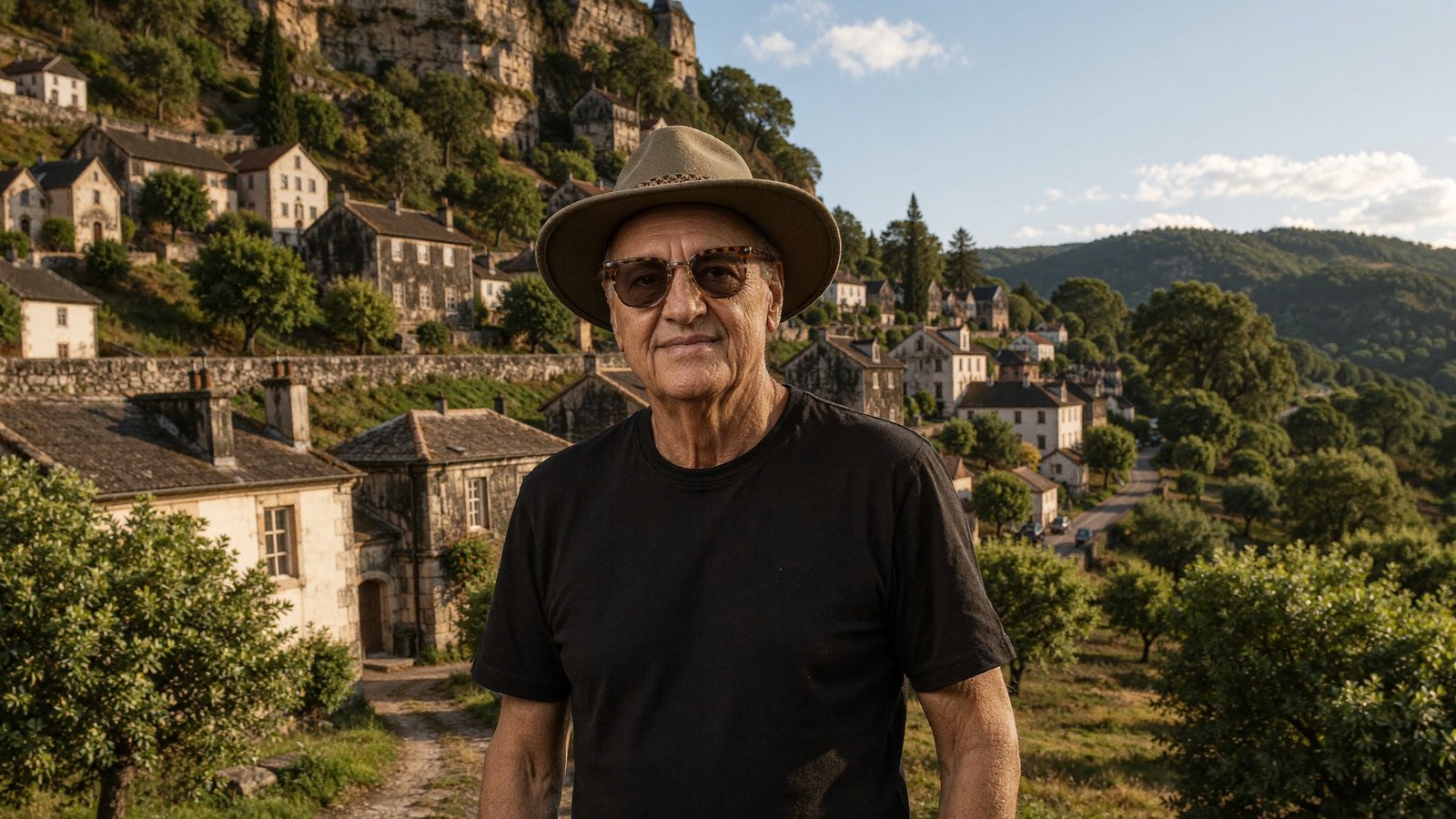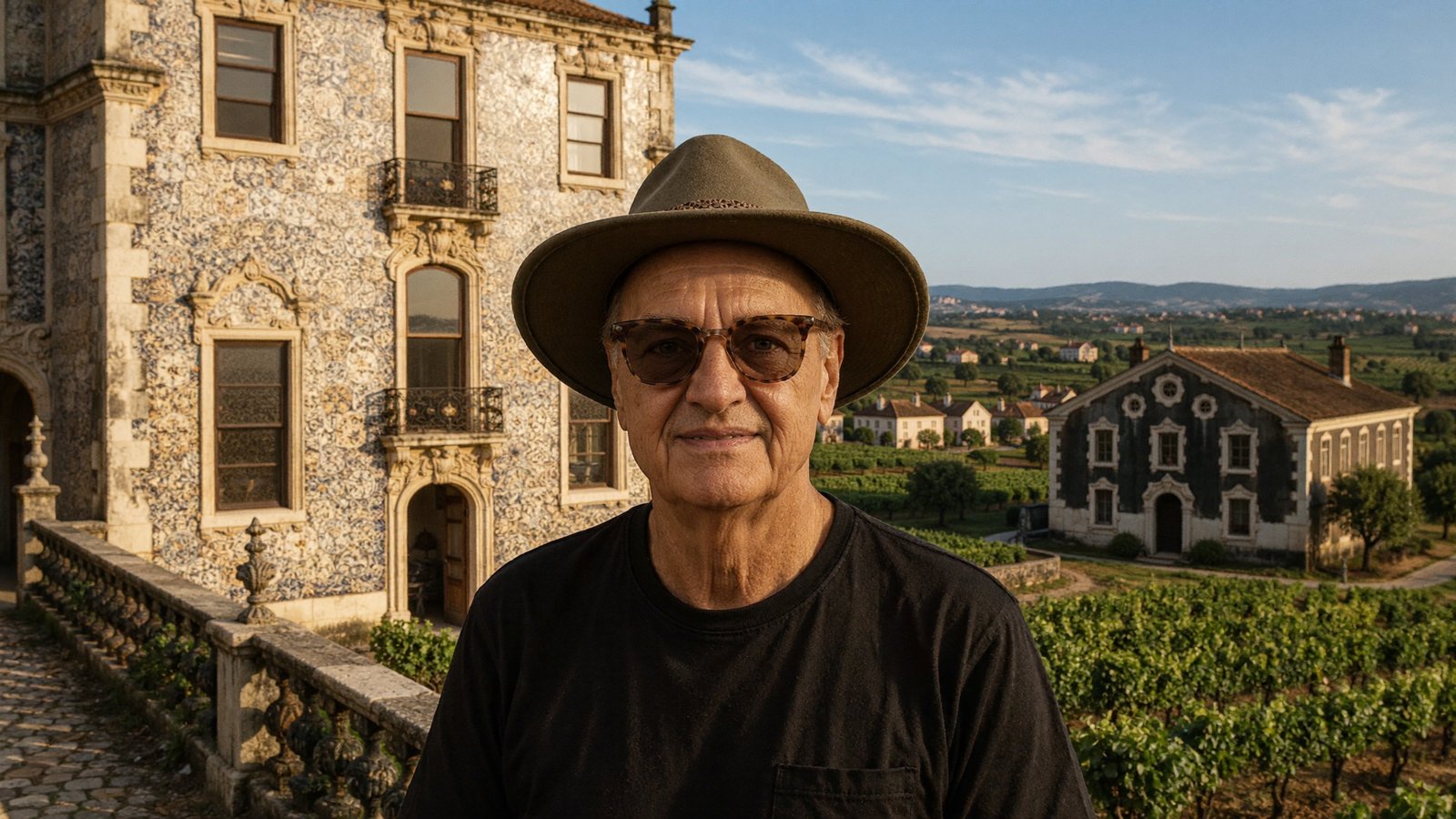
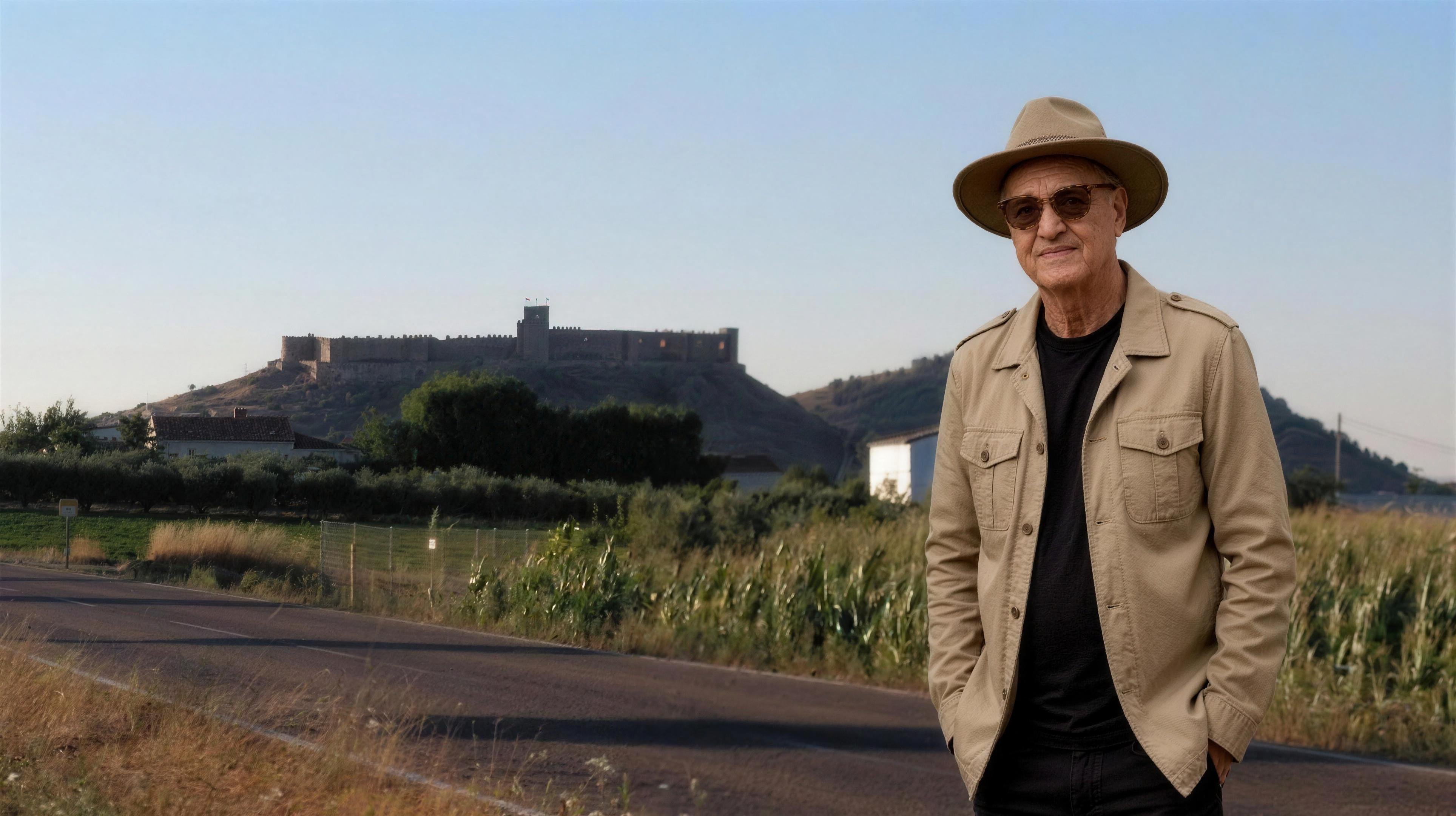
Your travel chronicle on Medellín, Spain, featuring Hernán Cortés and Charles V (15th–16th century), back when Extremadura sent its sons off to conquer an overseas empire, while in Ghent, in 1500, a child was born who would grow up to be the emperor receiving their reports of conquest.
Your Daily Iberian Travel Chronicle & Guide
Hernán Cortés, the conqueror his own village eventually forgot
How the birthplace of the man who brought down an Aztec empire ended up letting the church of his own baptism fall into ruin
You know, some names carry more weight than the stones that saw them born. Hernán Cortés is one of them. Say it anywhere in the world, and someone will know who you’re talking about: the man who toppled an empire with a few hundred soldiers, some horses, and a level of audacity that history has never truly managed to forgive or forget. But ask where he was born, and silence falls. Not in Mexico, as some still believe. Not in a major Spanish city, either. In a village of 2,241 souls, clinging to the banks of the Guadiana in the heart of the most unassuming part of Extremadura.
I arrived in Medellín via the road that climbs up from Mérida, under a sun that was already baking the stones by nine in the morning. In the distance, the silhouette of a castle perched on its promontory looked almost surreal in the heat haze, and below, the pale tiers of a Roman theater seemed to have been standing guard for two thousand years. Three people were waiting for me in the square—the one that bears the conqueror’s name.
Pilar was already there, sitting on the edge of the fountain, a fan in her hand despite the early hour. Isabelle arrived from the other side of the square, notebook under her arm, her eyes already fixed on the church bell tower. Fernando joined us last, an ice-cold bottle of water in each hand, wearing the smile of someone who has known every stone in the area since childhood.
A square with a name, a village with a silence
Pilar was born here, just like her mother and grandmother before her. Her family still farms the land stretching out at the foot of the castle—the same land her ancestors were tilling when Medellín had far more inhabitants than it does today. At seventy-one, she has watched the village empty out year after year, the young people leaving for Don Benito or Badajoz, and the tourists arriving, curious, asking the same question, and then leaving just as quickly.
Isabelle, for her part, is from Ghent. A historian specializing in the House of Habsburg-Burgundy, she has spent her career studying an imperial court she knows better than her own street. She came to Medellín for a specific reason, which she would soon reveal to us—an invisible thread connecting this Spanish village to her own hometown.
Finally, Fernando, a guide at the Roman theater for fifteen years, is the type who knows the name of every loose stone. He grew up here, left to study archaeology in Cáceres, and then returned. "People think I'm crazy for staying," he told me with a laugh, "but I think they just never took the time to really look."
You who are reading this, imagine the scene: the heat already rising from the pavement, the scent of dust and fig trees mixed with the smell of the coffee we were served on a terrace, the buzzing of cicadas in the tamarisk trees of the square, and in the center, that bronze statue, tall and stiff, dominating everything else. Cortés, standing, the banner of Castile in his hand, his gaze turned toward the west. Toward the Atlantic. Toward everything he was about to become.
"He was born three hundred meters from here," Fernando said, pointing to an unremarkable street corner. "Only the foundations remain. The house was destroyed when the square was redesigned at the end of the nineteenth century."
A silence followed. The kind of silence that says more than a sentence.
On November 15, 1485, a church baptized a child who would overthrow an empire
We walked up a narrow alley to the Church of Saint Martin, a Gothic structure built in the thirteenth century on the foundations of an even older Roman temple. The south facade features a large Gothic portal, similar to those found in Cáceres or Plasencia, and inside, a single nave—cool, silent, where light falls in golden dust from high windows.
It was there, on November 15, 1485, that Hernán Cortés was baptized. The baptismal font is still there, made of stone worn down by the centuries and by the hands of those who, before us, came to touch it while thinking of that child—who, at the time, could only be imagined as an infant like any other.
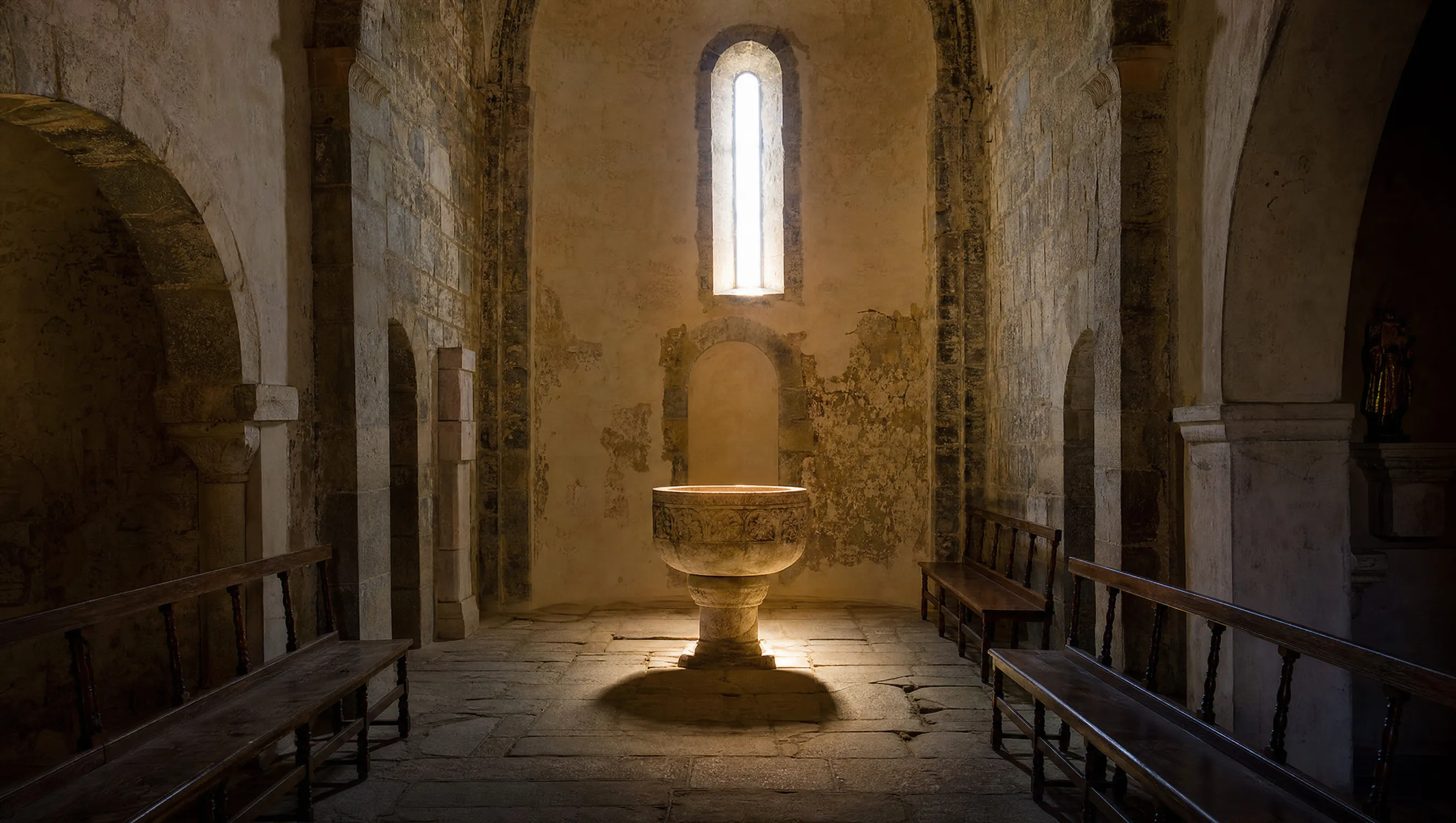
"No one that day knew what this little one would become," whispered Pilar, her hand resting on the cold stone. "The son of an hidalgo without much fortune, in a poor village in a poor region. Nothing set him apart."
Nothing, perhaps, except for that ambition which seemed to run in the blood of an entire generation of Extremadurans. Because Cortés was not alone. Just a few kilometers away, in Trujillo, Francisco Pizarro—the man who would conquer the Inca Empire—would soon be born. And from Jerez de los Caballeros came Núñez de Balboa, the first European to gaze upon the Pacific Ocean from the Americas. This entire arid land, lacking any great wealth of its own, would send its sons to the other side of the world to seek what it could not offer them at home.
"It’s not that Extremadura was rich and then declined," Isabelle clarified, true to her historian’s rigor. "It’s almost the opposite. It’s because it was poor that so many of its sons left. Glory here was never collective. It was individual, brought back from afar, and then often reinvested elsewhere."
Think about this paradox for a moment. A man whose name has spanned continents and centuries, born in a place that fortune itself seemed to have forgotten.
Fifteen hundred kilometers away, another child was being born.
This is where Isabelle explained the reason for her presence. Fifteen years before Cortés set sail for the Americas, another child was born in Ghent, Flanders, on February 24, 1500. His name was Charles. The grandson of Maximilian of Habsburg and Mary of Burgundy, he would grow up in Burgundian palaces, speaking Flemish before he even knew a word of Spanish.
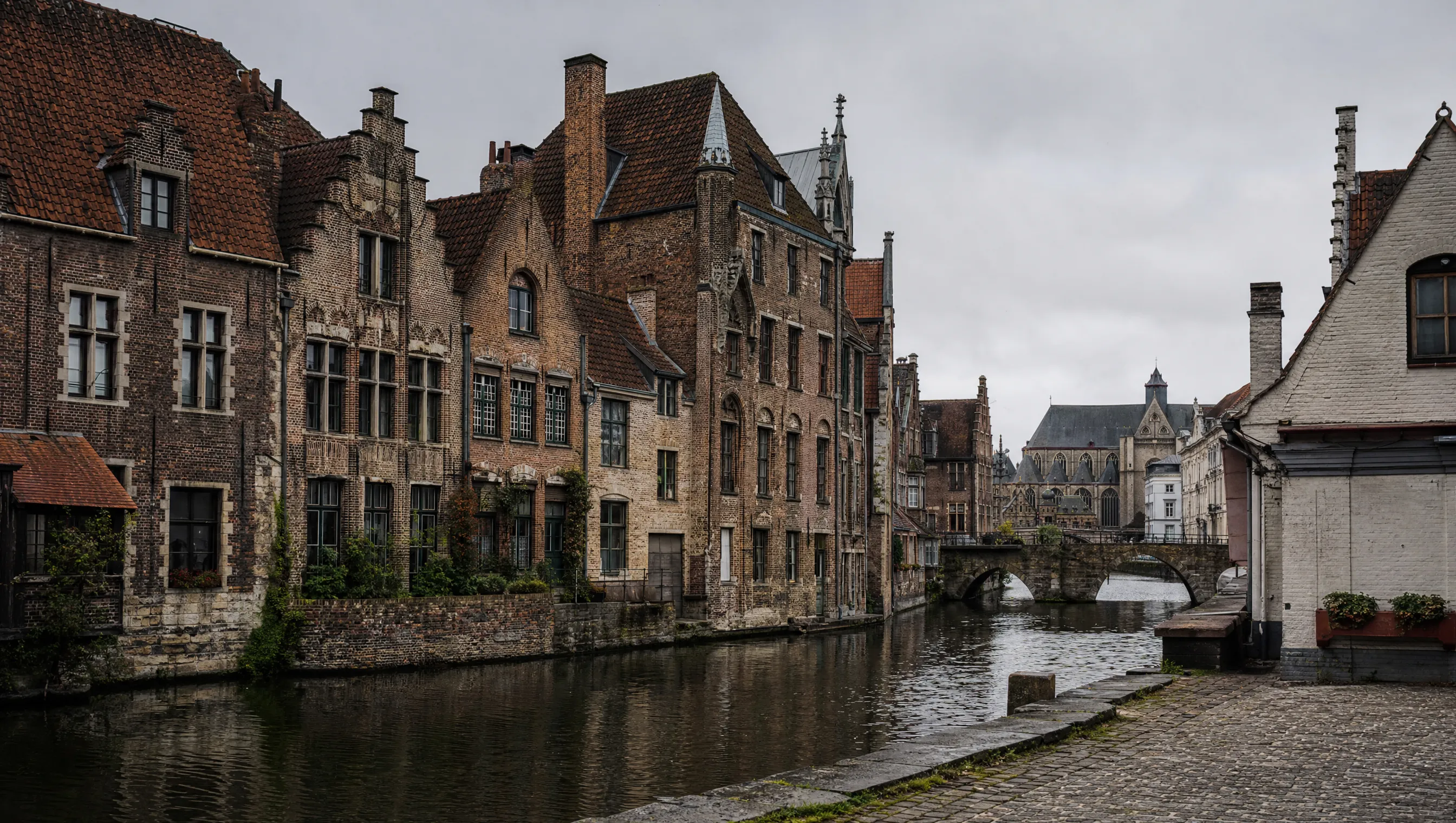
"We often imagine him as a pure-blooded Spanish emperor," Isabelle explained, "but Charles V was born Burgundian, raised in Flanders, and surrounded by courtiers who spoke his language, not that of his future Castilian subjects. When he arrived in Spain for the first time in 1517, he spoke almost no Spanish."
And yet, it was this man, born in Ghent, who would receive reports a few years later of the conquest led by the child baptized right here in Medellín. It was he who, in 1529, would make Cortés the Marquis of the Valley of Oaxaca. Two children, born fifteen centuries apart in terms of geography and culture, whose destinies would one day cross at the summit of an empire on which, as they would later say, the sun never set.
"That’s what fascinates me about this job," Isabelle added, closing her notebook. "We think we’re studying kings and conquerors, but in reality, we’re studying children who didn't yet know what they would become."
A saved theater, a dying church, a silent castle.
The afternoon led us out of the village to the foot of the promontory where the castle stands. Fernando walked ahead, reciting dates with the precision of a man who has repeated them a thousand times: a fortress of Muslim origin, destroyed and then rebuilt in the fourteenth and fifteenth centuries, the seat of the County of Medellín for generations.
"Look closely at that theater down there," he said, pointing to the pale tiers we had spotted that morning. "First century AD. Buried for centuries, rediscovered, excavated, restored. Today, it hosts a classical theater festival every year. Even Hispania Nostra has praised the work done here."
His voice changed slightly as he pointed to the church we had just left. "That one, however, has been waiting for years. Budgets have been approved for its restoration, several times. None have ever been completed. It is now on the Spanish red list of heritage in danger. The list of what could disappear."
A saved theater. A dying church. And between the two, this castle, of which only sections of wall remain and a silhouette visible from the plain—never quite ruined, never quite alive either.
"Three stones, three destinies," Pilar summarized, sitting on a low wall in the shade of an olive tree. "That’s Medellín. We save what we can, we forget the rest, and no one really chooses which."
It was while climbing toward the keep that we met Vicente. The castle’s caretaker for over thirty years, with a worn cap pulled low on his head, he stopped us before we had even passed through the first gate. "Are you going up to see the tower? Then let me tell you a story first."
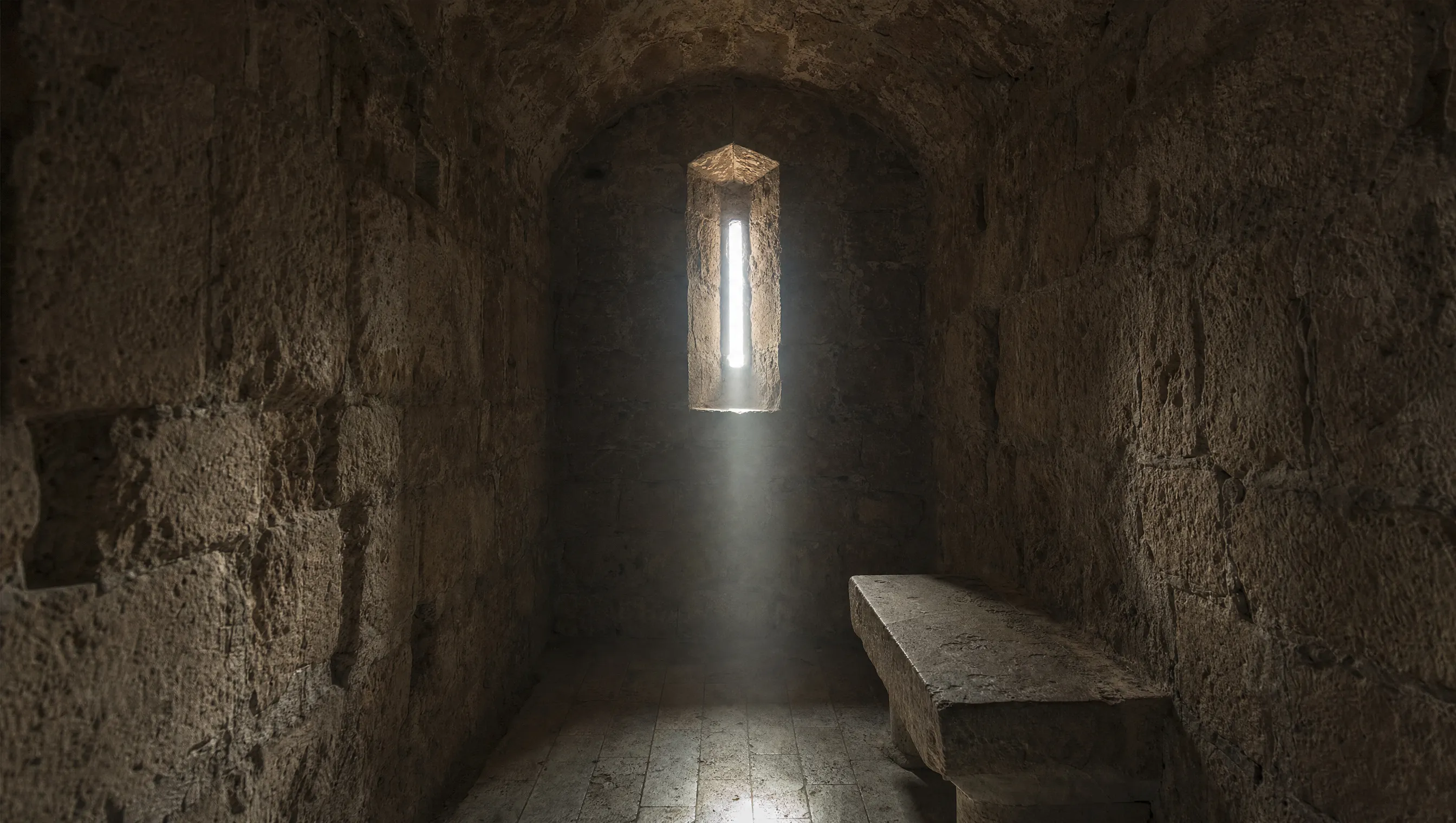
He led us to a tiny room, barely wider than a cell, lit by a single narrow arrow slit in the thickness of the wall.
"They say the second Count of Medellín, Don Juan, was locked in this very room by his own mother, Doña Beatriz Pacheco, for five years," Vicente began, his voice dropping instinctively as if he feared waking something. "Five years with no light other than what came through that slit in the wall, with no company other than a servant lowered by a rope to clean the room. Legend has it that he eventually demanded they break through this wall, right here, to prove his innocence by walking out on his own two feet rather than being carried out as he had entered."
He paused, letting the silence weigh on us all.
"And it has always been said here that this story inspired Calderón de la Barca for his Segismundo in *Life is a Dream*. A prince locked in a tower since childhood, who can no longer distinguish dream from reality."
Isabelle looked up at the arrow slit, silent. Fernando added softly, like a guide more cautious than legendary: "It’s an oral tradition, nothing confirmed by any period document. But it has spanned the centuries for so long that it, too, is part of this place."
You, dear reader, whoever you are and wherever you may be reading these lines, imagine this room without light, this prince forgotten between four stone walls, just a few hundred meters from the place where another child of the village would go on to conquer an entire continent. Two destinies, one same promontory.
Migas and pitarra wine, under the tamarisk trees.
As evening fell, Fernando led us to a small venta on the outskirts of the village. There was no flashy sign, just a door opening into a cool room where a few regulars were already chatting loudly around a zinc bar. The place smelled of toasted bread, garlic, and smoked paprika—a scent you find nowhere else but in Extremadura.
We were served migas, a dish born from the poverty of local shepherds: crumbled stale bread sautéed in olive oil with garlic and pimentón de la Vera, accompanied by grilled chorizo, crispy bacon, and a fried egg whose yolk ran over everything at the first forkful. On the side, a pitcher of vino de pitarra, an artisanal wine made for generations in small family bodegas in the region, without a single chemical additive, with a rustic taste and a deceptively amber color.
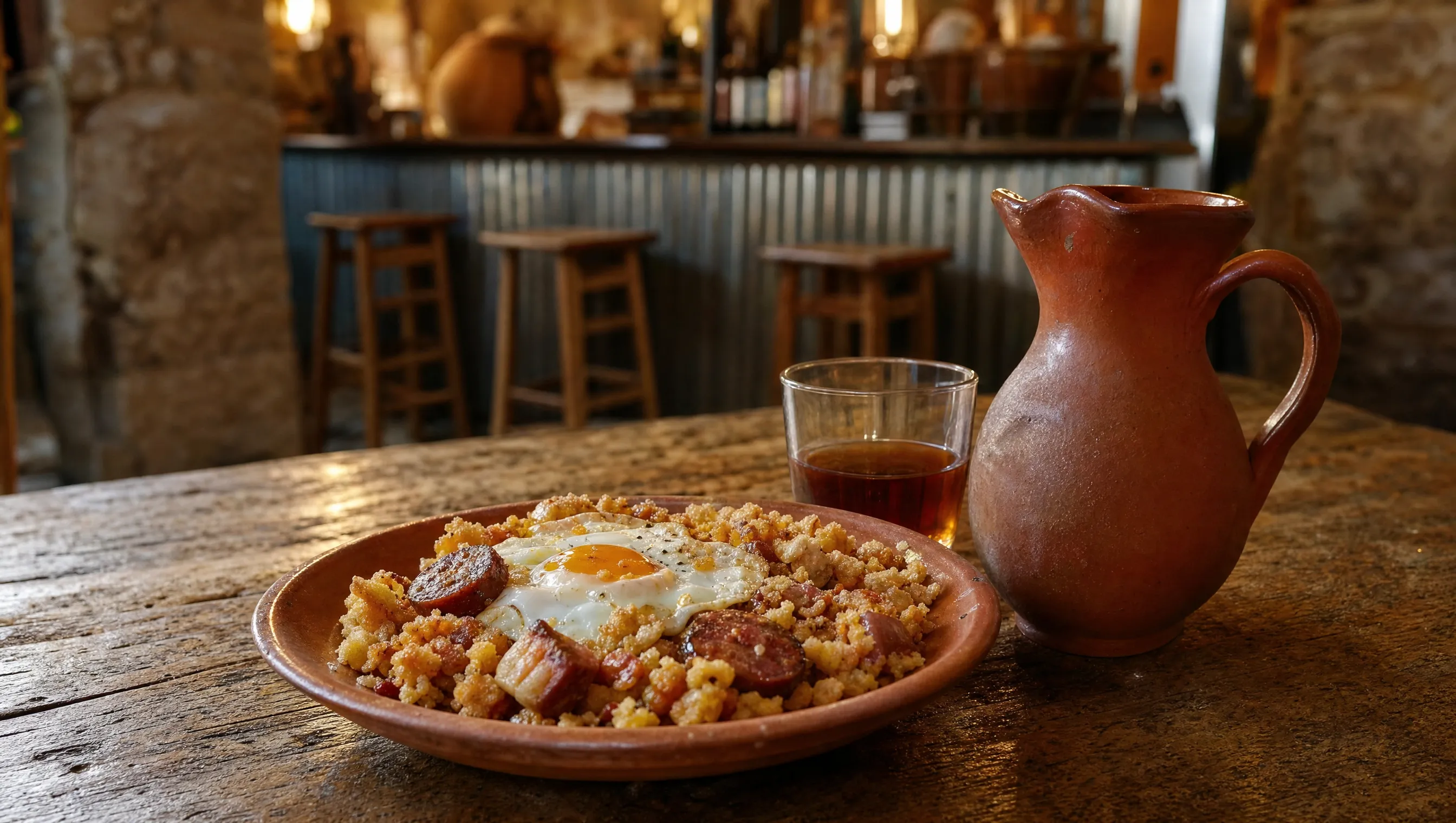
"Do you know who loved this wine with his migas?" Fernando asked as he filled our glasses. "Francisco Pizarro himself, the one from Trujillo, just a few kilometers from here. He wrote it down in black and white, in his own words. The conquistadors had the same simple tastes as their neighbors back home."
The noise of the room rose around us: the laughter from a nearby table, the scraping of chairs on the tile floor, the warmth of the dish rising to our faces. Pilar dipped her bread, her eyes half-closed. "This is exactly the taste of my grandmother's table," she whispered.
To finish, perrunillas—those small, dry cookies typical of Extremadura, flavored with anise and lemon, which almost melt in your mouth—accompanied by a final glass of pitarra, sweeter this time.
What Medellín keeps, and what it let go
We left the village at the hour when the light grazes the stones and stretches the castle's shadows across the plain. The statue of Cortés, in the plaza that bears his name, took on copper hues, almost soft, very far from the stiffness it displayed under the midday sun.
"You see," Pilar told me before we parted, "this village gave the world a name that no one will ever forget. And yet, it is the village itself that is forgotten."
She wasn't wrong. There is something dizzying about this asymmetry between the world's memory and the memory of a place. Cortés's name travels across every continent, engraved in textbooks in a dozen languages, while the church where he was baptized waits, year after year, for a budget that never comes.
And you, shadow reader, if you ever pass through Extremadura, turn away from the main roads for a moment. Go up to Medellín. Place your hand on the baptismal font of a child who did not yet know what he would become. Perhaps you, in turn, will carry with you a little of that silence which, here, weighs heavier than any bronze statue.
Because a journey never really ends. It continues, somewhere between the pages and the memory.
— Lucas Lunes, author of Ancient Stones
Category: Characters · Country: Spain · Type of place: Village
You know, searching for these stories has a price. Traveling to these places, consulting archives, verifying every date with historians—it takes time, and for an independent author, time is the only currency he truly possesses.
If these stories touch you, supporting this work will cost you less than a coffee and a glass of Spanish wine. For €5 a month, you aren't just supporting an independent author: you are joining a community of active Iberophiles and participating, each month, in the birth of a story. You vote for the story that interests you and that you want to see written. If your choice wins, your name is engraved at the bottom of that article, published for all to read and recognized by other readers as the one who brought it to life. A text you can talk about and debate during your dinners, with your friends and everyone with whom you share your love for Portugal and Spain, a text that will help other Iberophiles better discover these lands. Each month, your voice counts again, helping this vibrant, participatory community grow a little more.
As a member, the entire Library is open to you: 14 ebooks already written, with a total value of €138.60, are included in your subscription.
If you ever decide to leave, none of the ebooks will truly disappear: you will always be able to purchase them individually for €9.90 each.