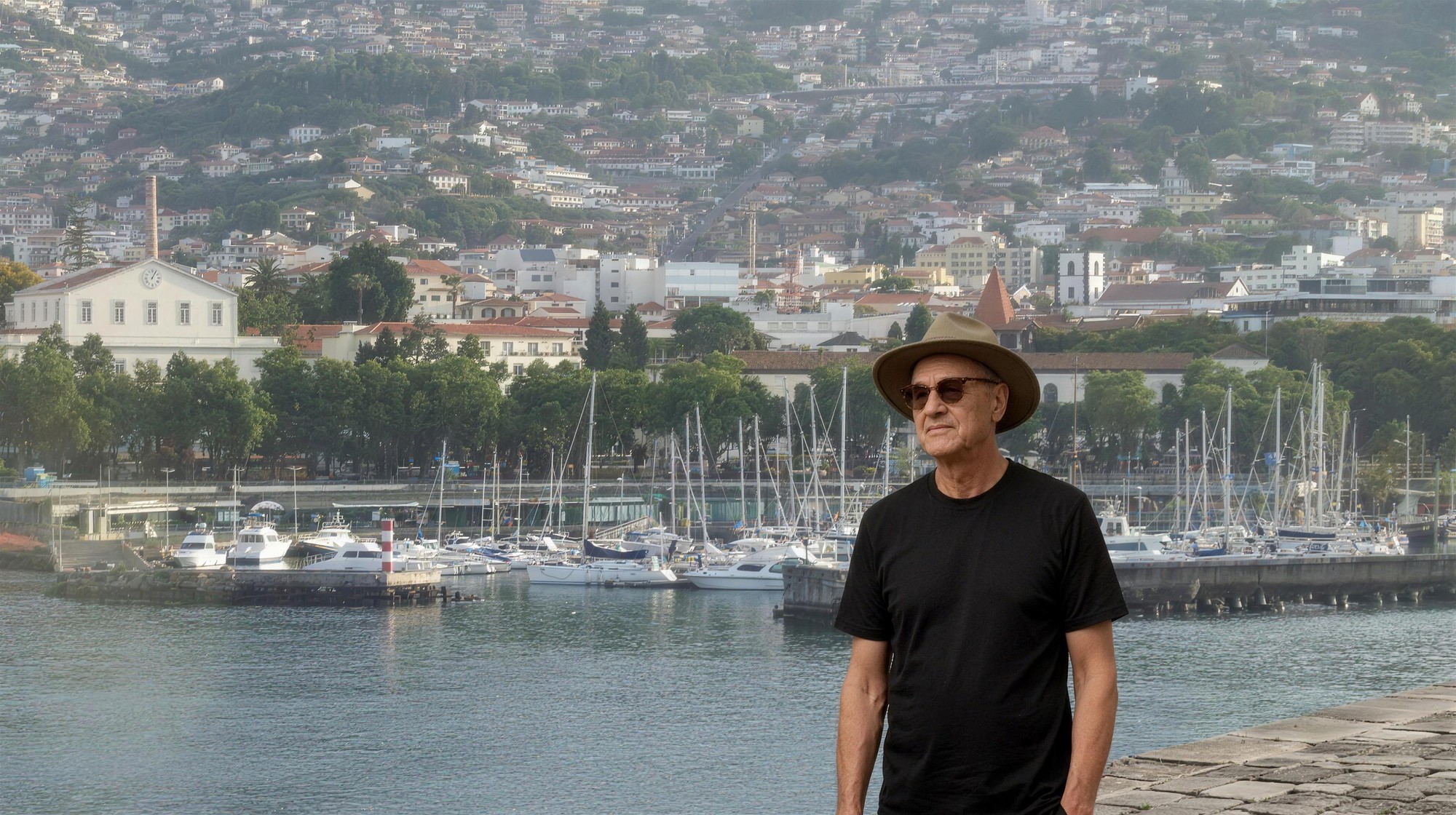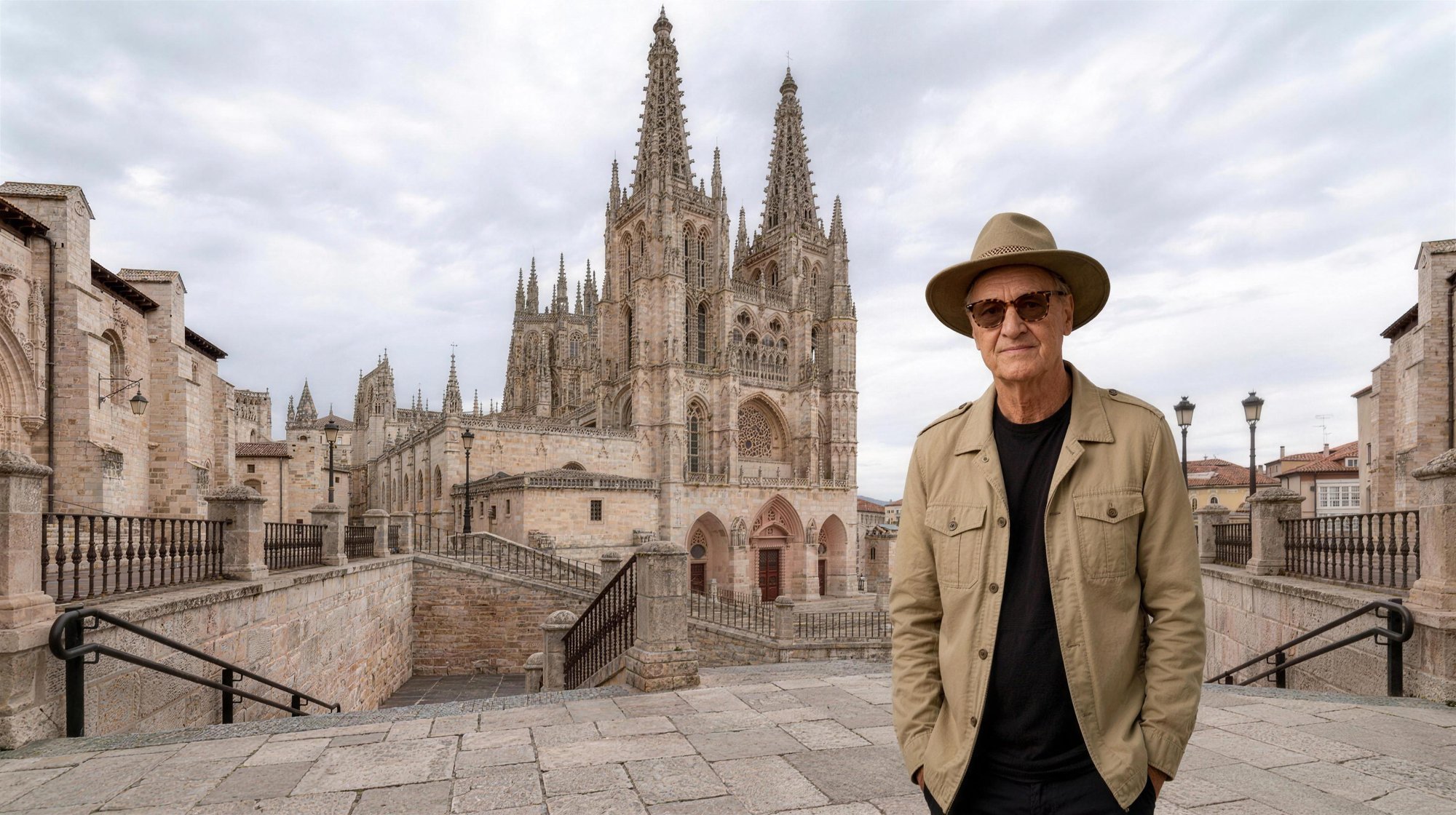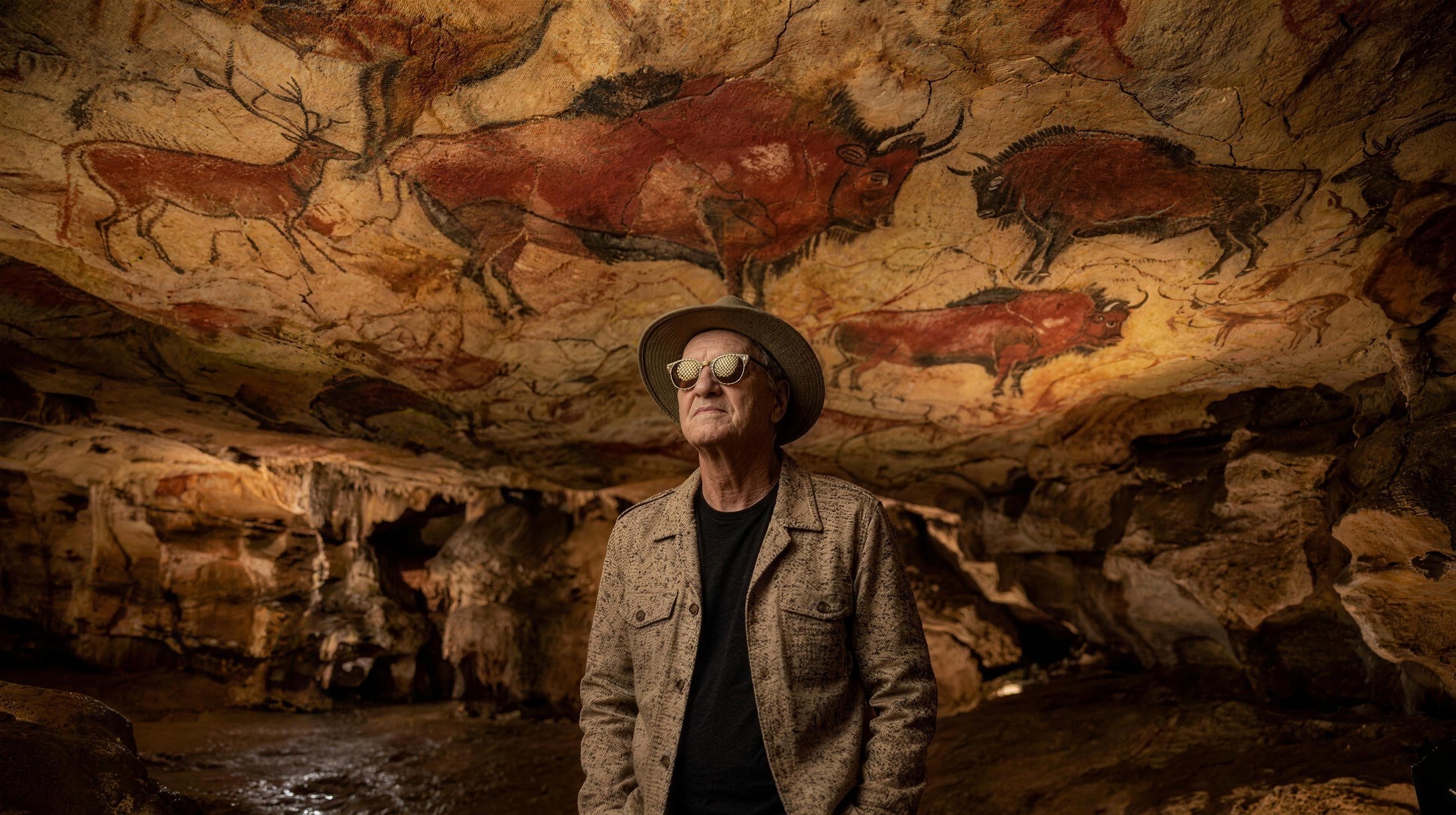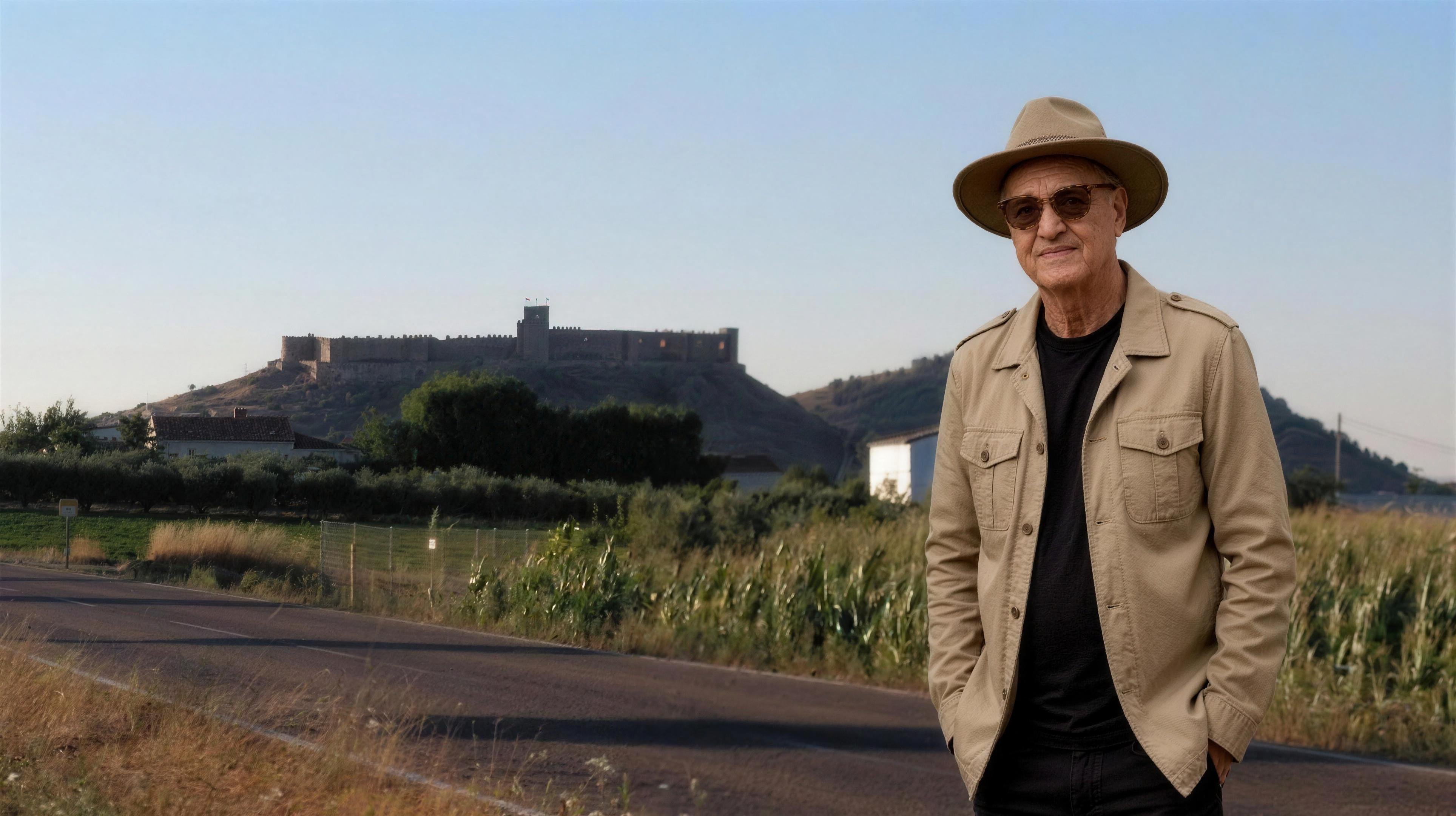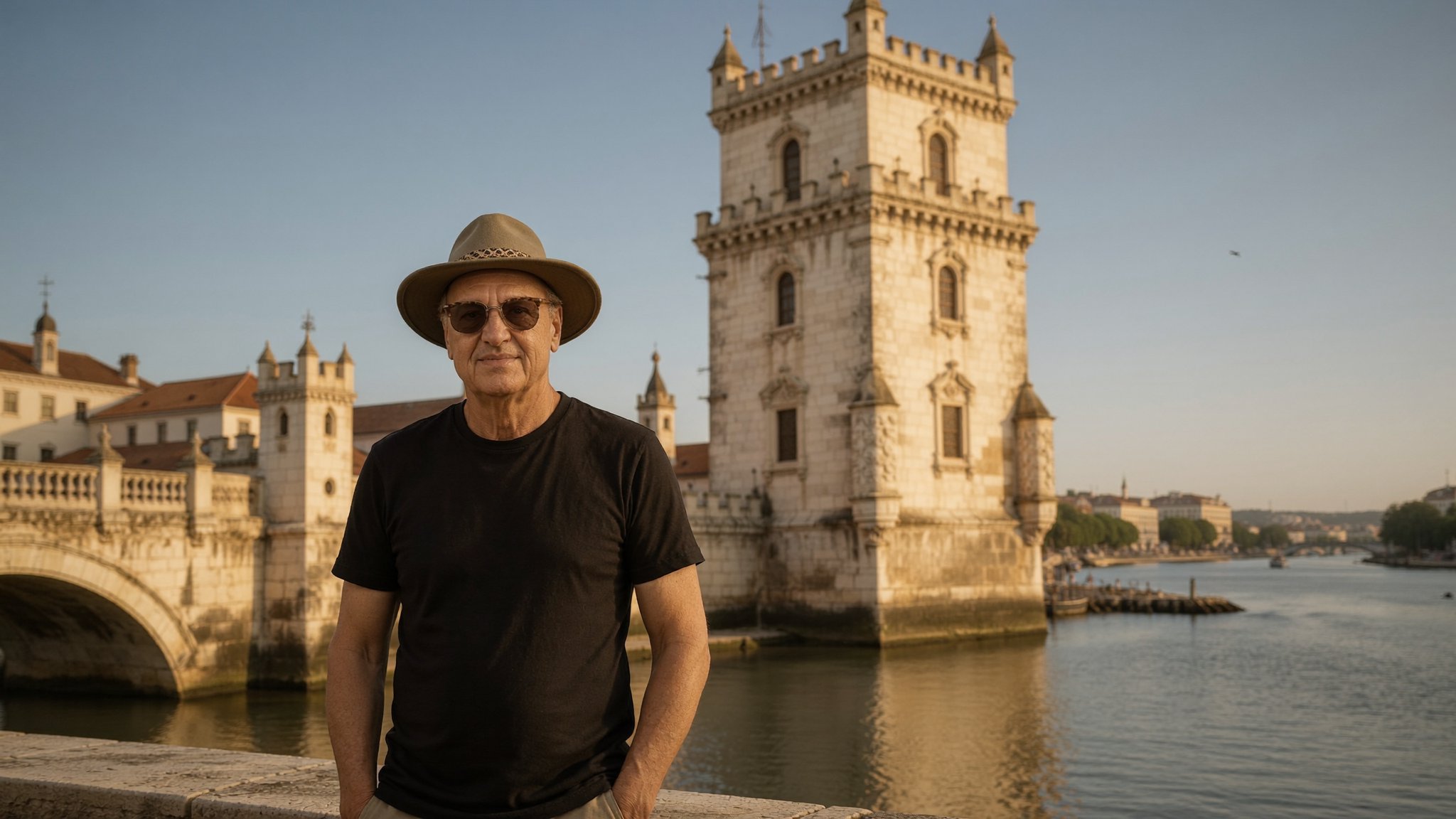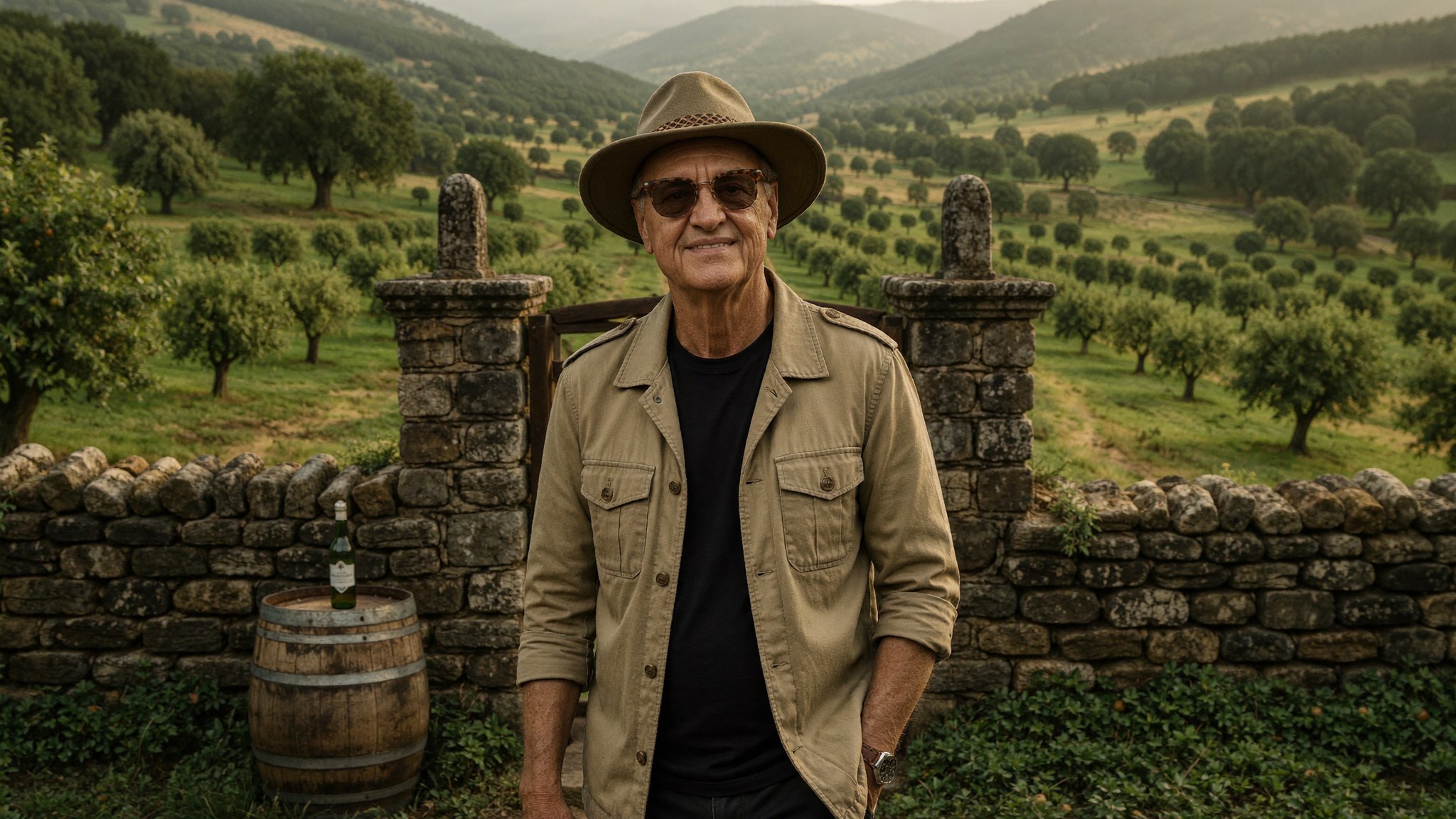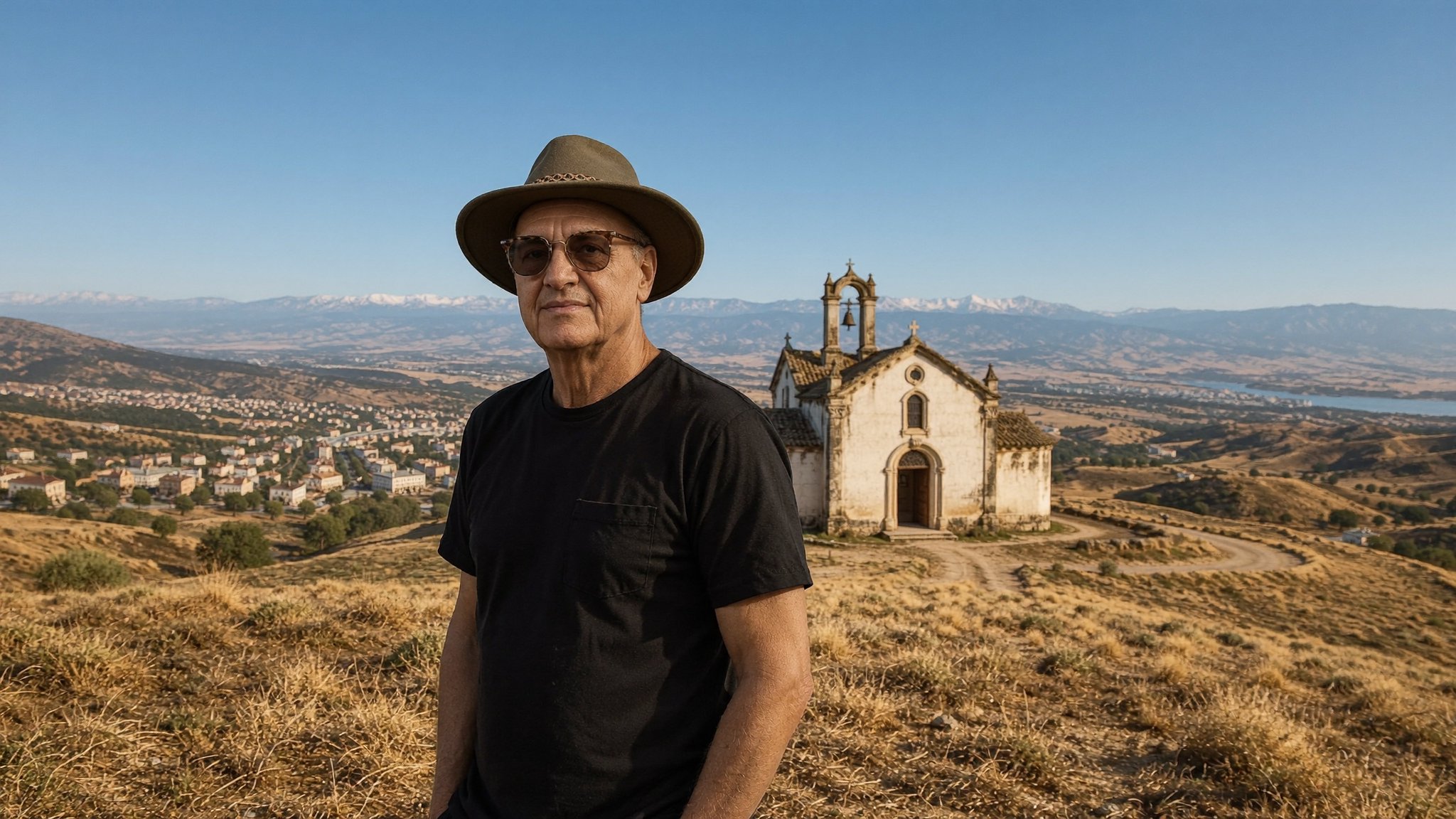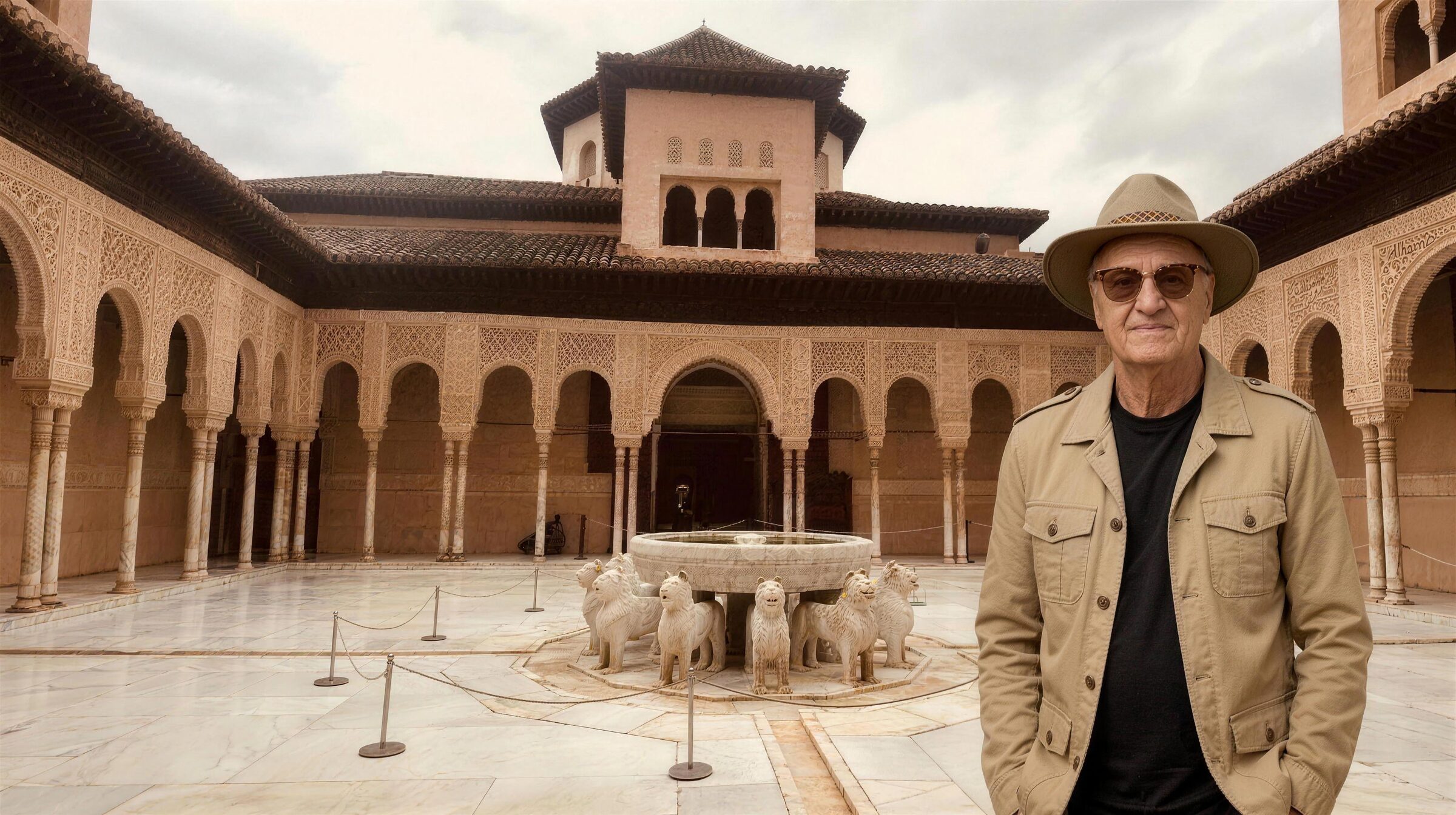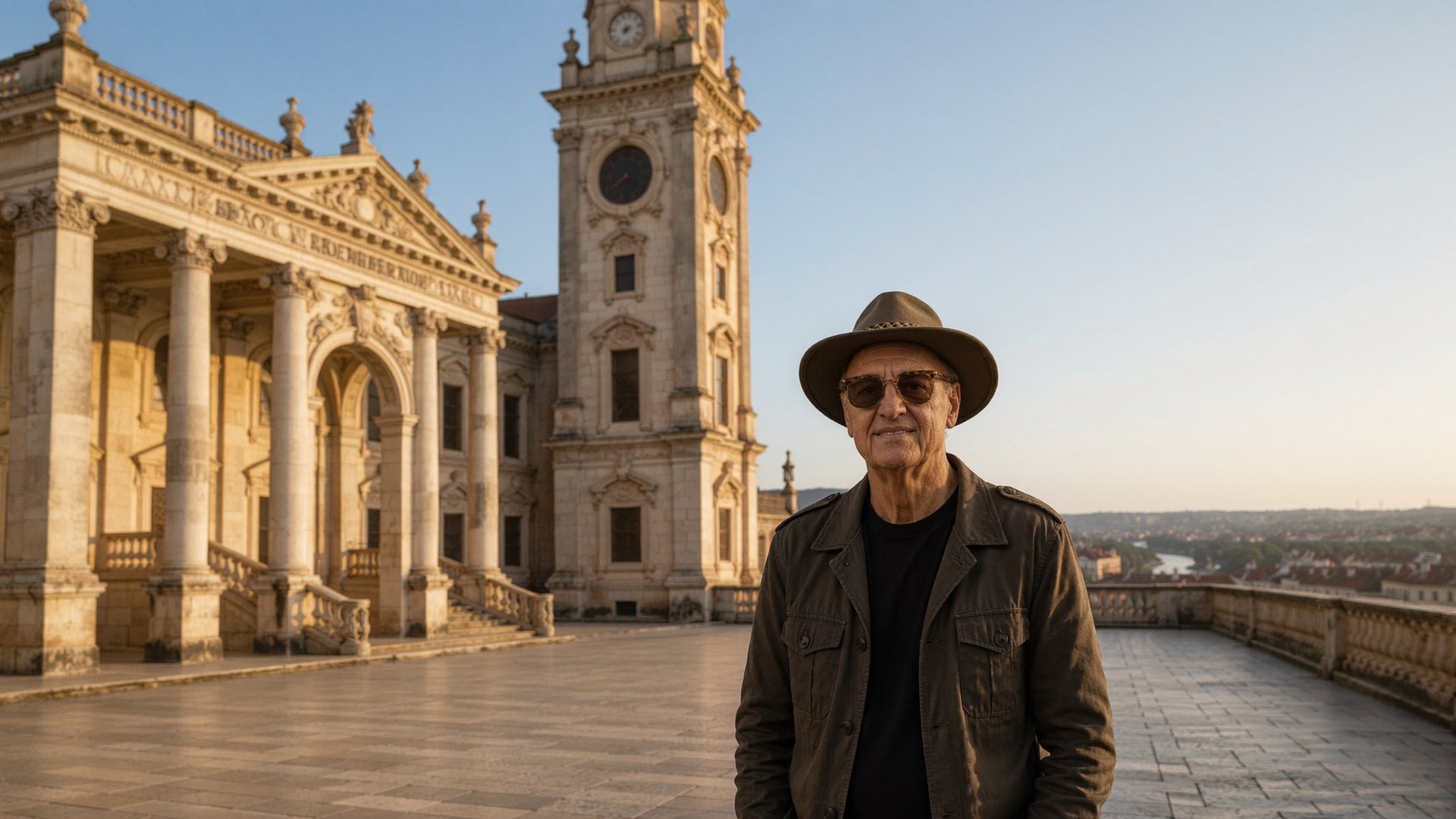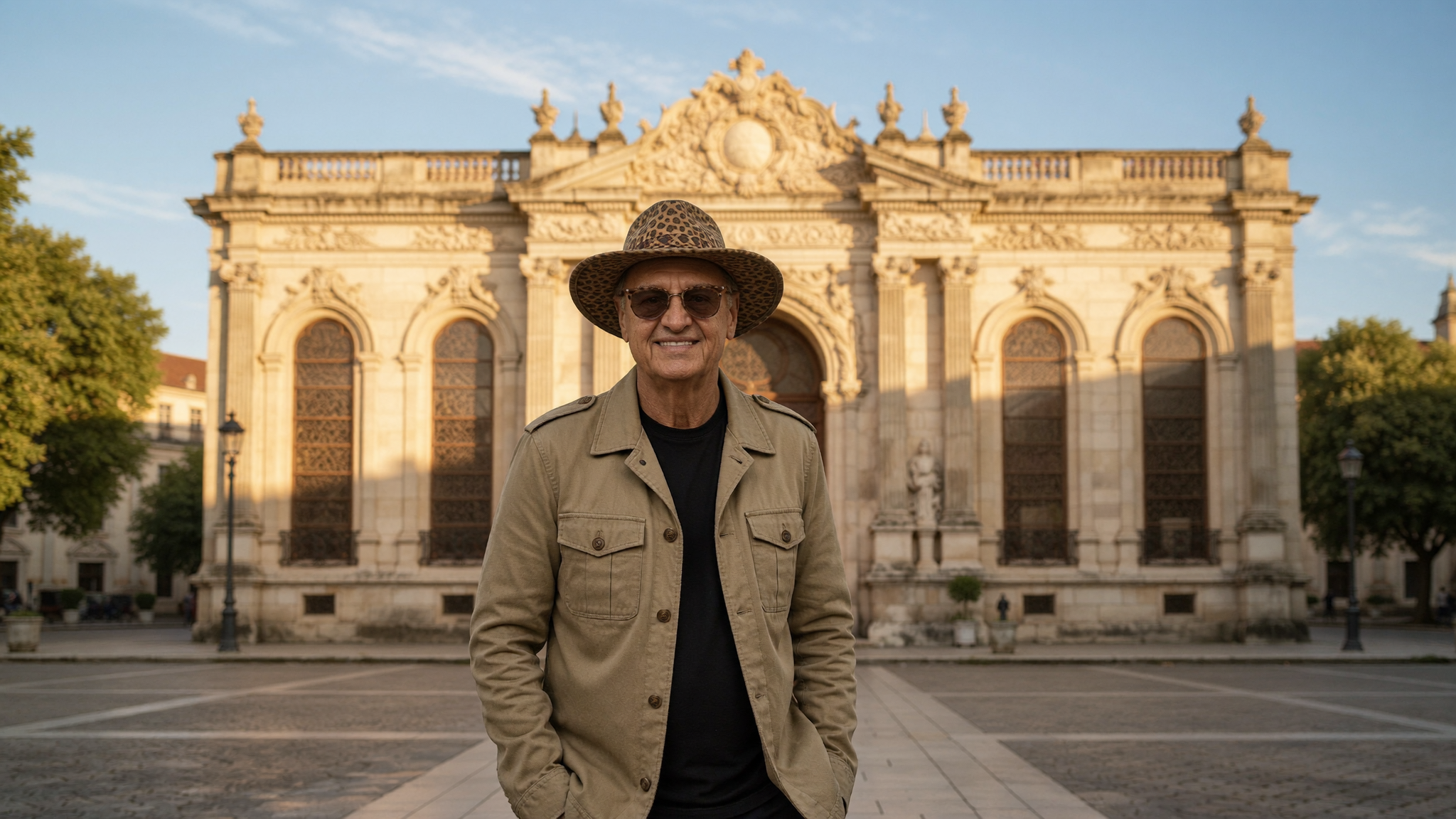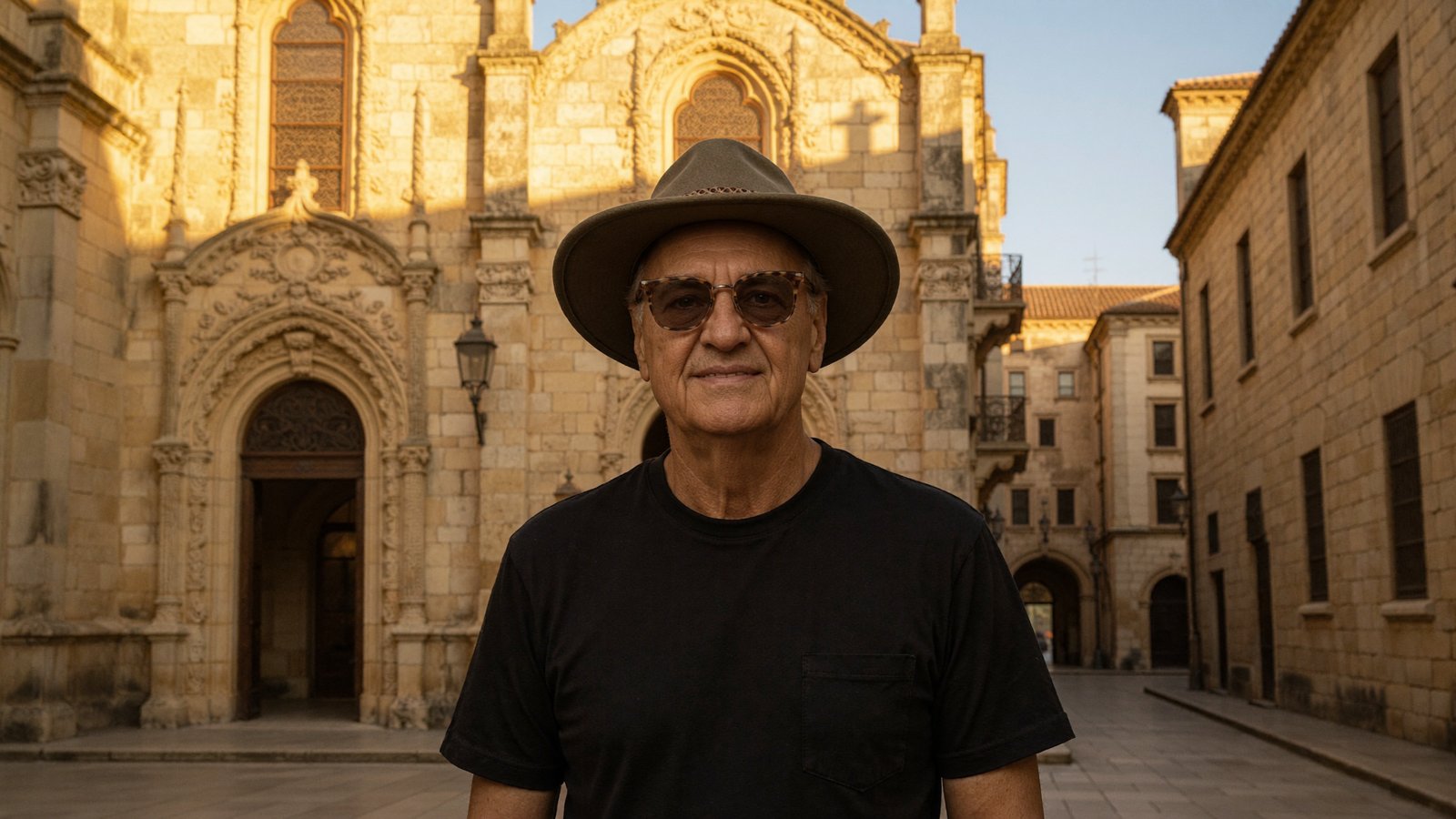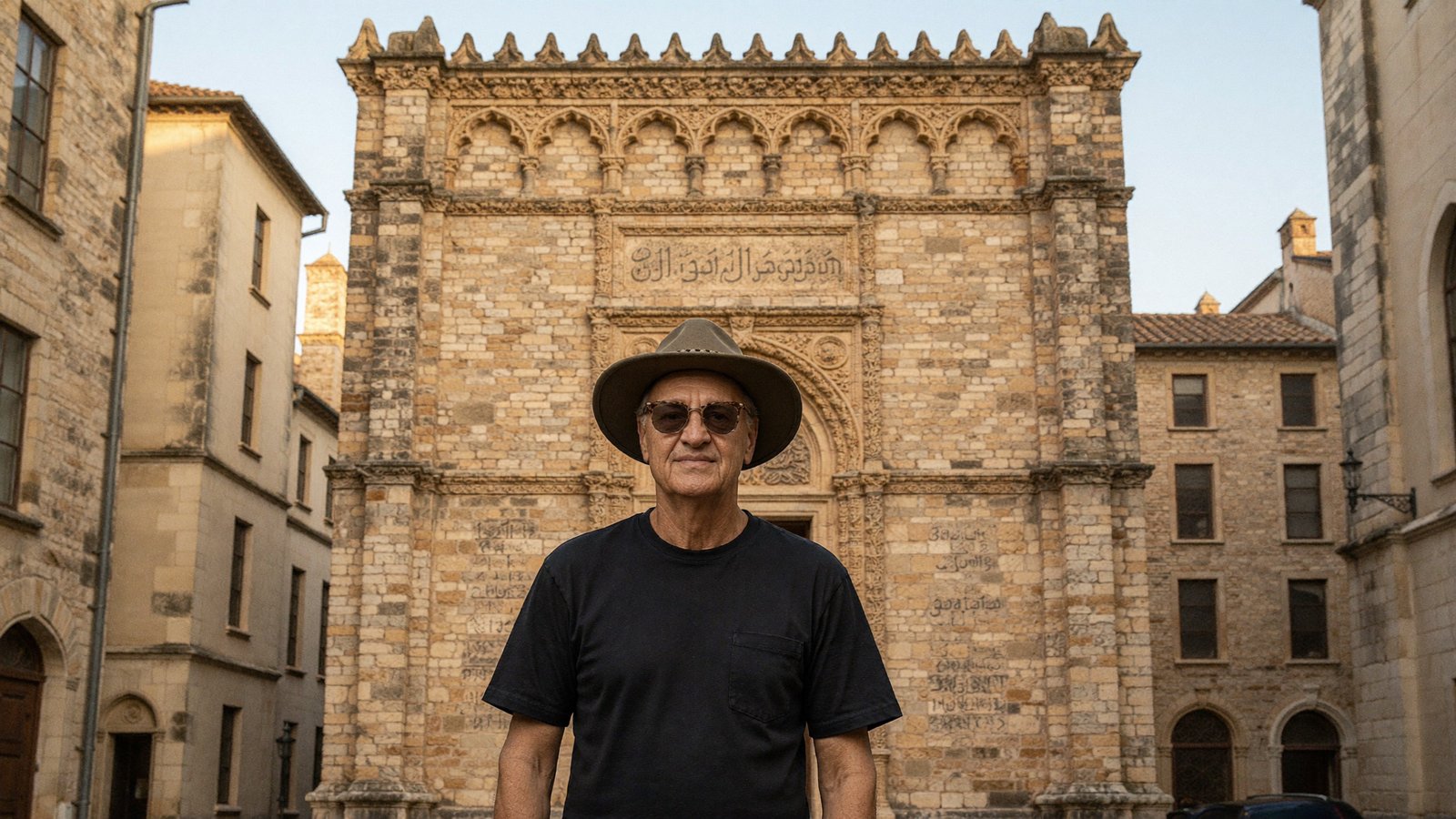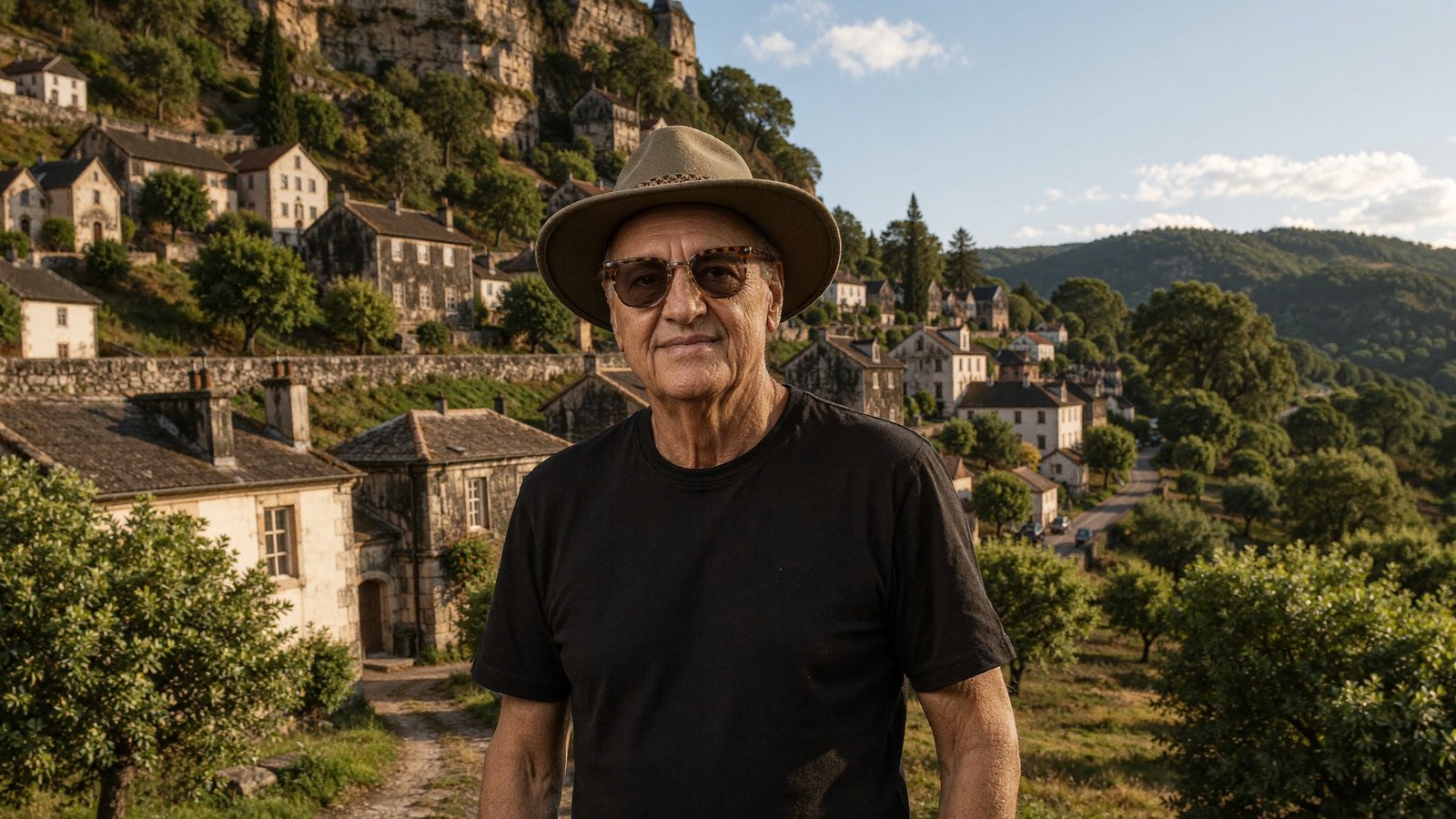
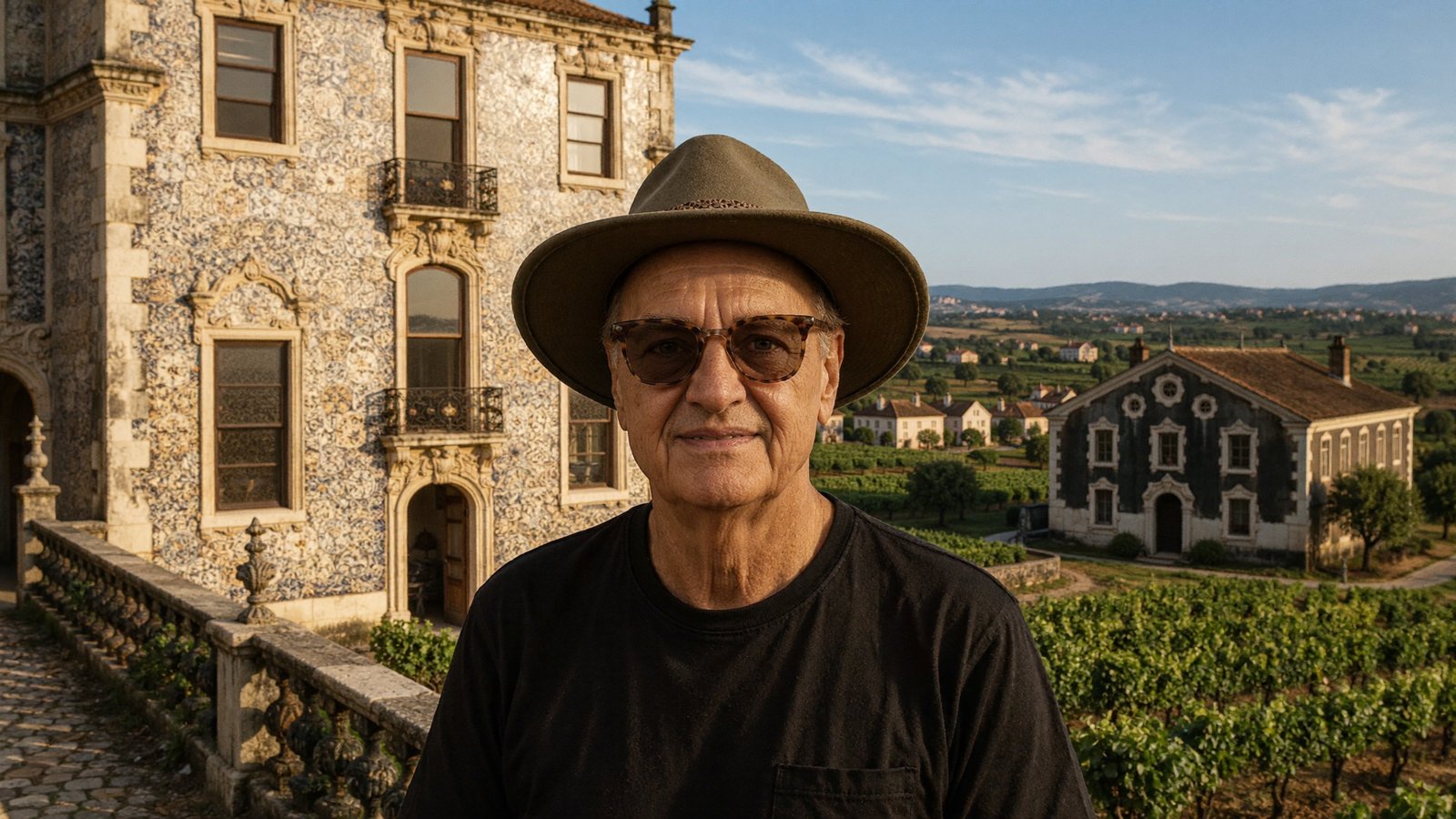
Your travel chronicle on a village in the Minho region of Portugal and its emigrant houses, featuring Teresa, João, and Inês (20th century), back when northern Portugal was emptying of its men, while in France, by 1975, the Portuguese had become the country's largest foreign community.
Your Daily Iberian Travel Chronicle & Guide
How a country lost one in ten inhabitants to the "salto" across the Pyrenees, how a dead rooster crowed to prove innocence, and how those who left empty-handed returned to build houses too grand for their villages.
You know, some villages tell their story through their ruins. The Minho, however, tells it through its houses that look too new.
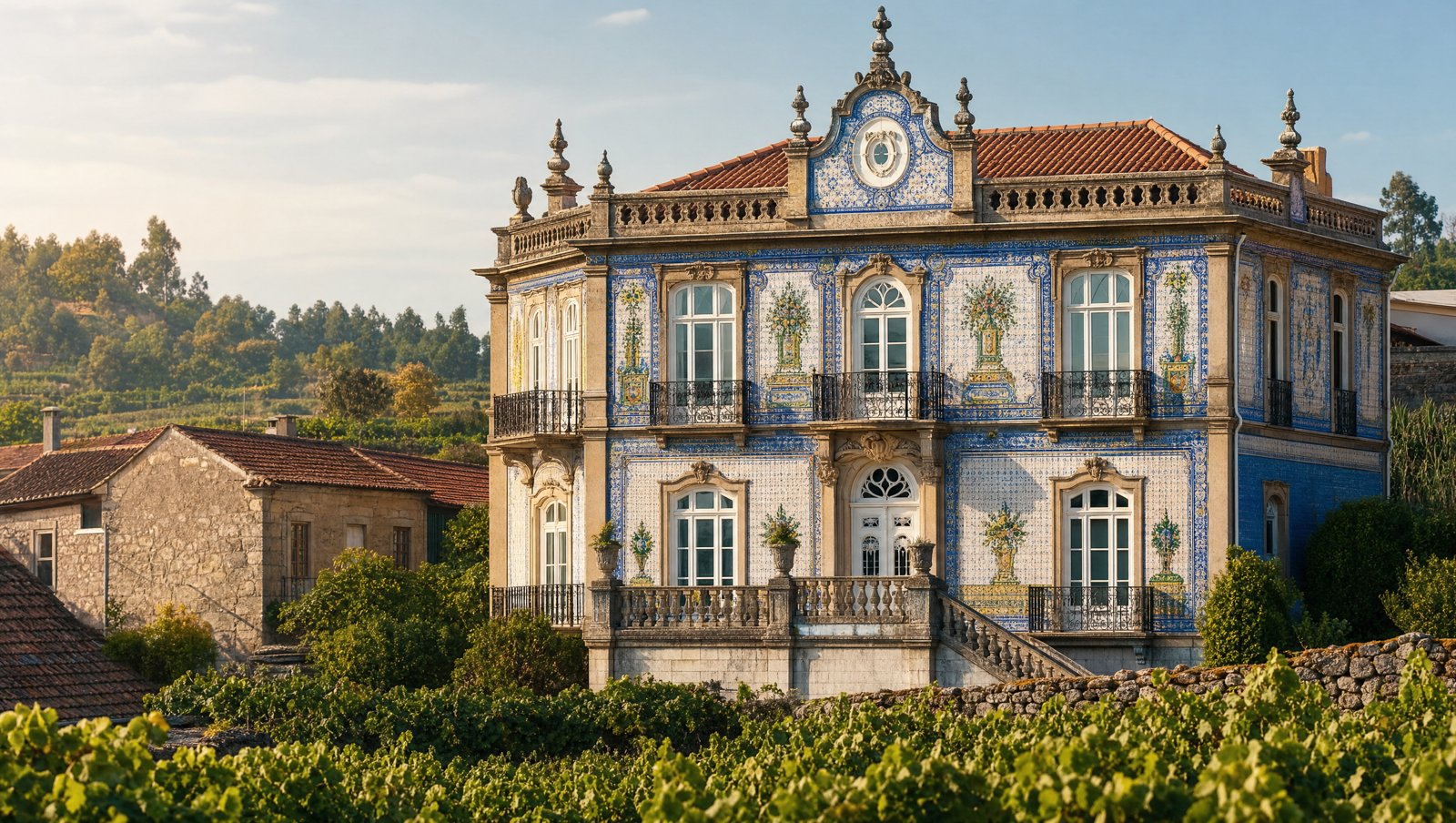
We are driving through the deep green of northern Portugal, between Braga and Barcelos, on roads lined with vinho verde vines hanging from trellises. And everywhere, amidst the old, low, dark granite houses, other homes stand tall. They are high, tiled with shiny azulejos, adorned with balustrades, wrought-iron grilles, and French-style windows. They clash. They stand out. It’s as if they were placed there by mistake.
"These are the casas de emigrante," João explains. "Emigrant houses. Each one represents a man who left, and a promise kept."
They were waiting for me in front of one of them, my three travel companions.
Teresa, the first, more moved than usual. Fifty years old, born in Champigny to parents who left the Minho. Except here, we are no longer just anywhere: we are at her home, on the land of her grandparents, the land whose name her mother could no longer recall. "I've been to every village," she told me in Talasnal. "Today, I think I've finally arrived in the right country."
João, next. Sixty years old, a historian from Coimbra who has spent his career studying these departures. "The Minho is the heart of the hemorrhage," he said. "If you want to understand Portuguese emigration, you shouldn't go to Lisbon. You have to come here."
And Inês, the photographer, twenty-five, already framing one of these overly beautiful facades. "They're kitsch," she smiled. "And heartbreaking. It's rare to find both at once."
The country that emptied from the north
I have to give you the numbers, because they say something that words always soften.
Between 1957 and 1974, nearly nine hundred thousand Portuguese emigrated to France. In 1958, there were twenty thousand in the entire country. By 1975, there were seven hundred and fifty thousand, making them the largest foreign community in France. In one generation, Portugal lost nearly one in ten inhabitants.
"And look at this detail," João said, pausing on a word. "The 1970 census revealed that Portugal's population had decreased over ten years. Decreased. A Western European country depopulating in times of peace. We hadn't seen that since the Great Famine in Ireland in the nineteenth century."
And where did they all leave from? From here. From the north. From the Minho, from Trás-os-Montes, those green and poor countrysides where the land, fragmented to infinity, could no longer feed its sons. Some villages saw almost all their adult men leave.
"They left a salto," João said, and the word hung in the air for a moment. "The jump. The clandestine border crossing, on foot, through the mountains, guided by smugglers. We called it traveling with a 'rabbit passport,' because we ran at night, like game."
"And why clandestinely?" Inês asked.
"Because Salazar forbade leaving. From 1961 onwards, illegal emigration was punishable by two years in prison. The dictatorship needed its peasants, and especially its soldiers: the colonial war in Angola, Guinea, and Mozambique was devouring young men. Four years of service. Many preferred the mountains and France to a war that wasn't theirs."
Teresa listened, her hand resting on the fresh plaster of a casa de emigrante.
"My grandfather left like that. On foot. He was twenty. My grandmother stayed here, alone, with their first child."
Dona Rosa, widow of a living man
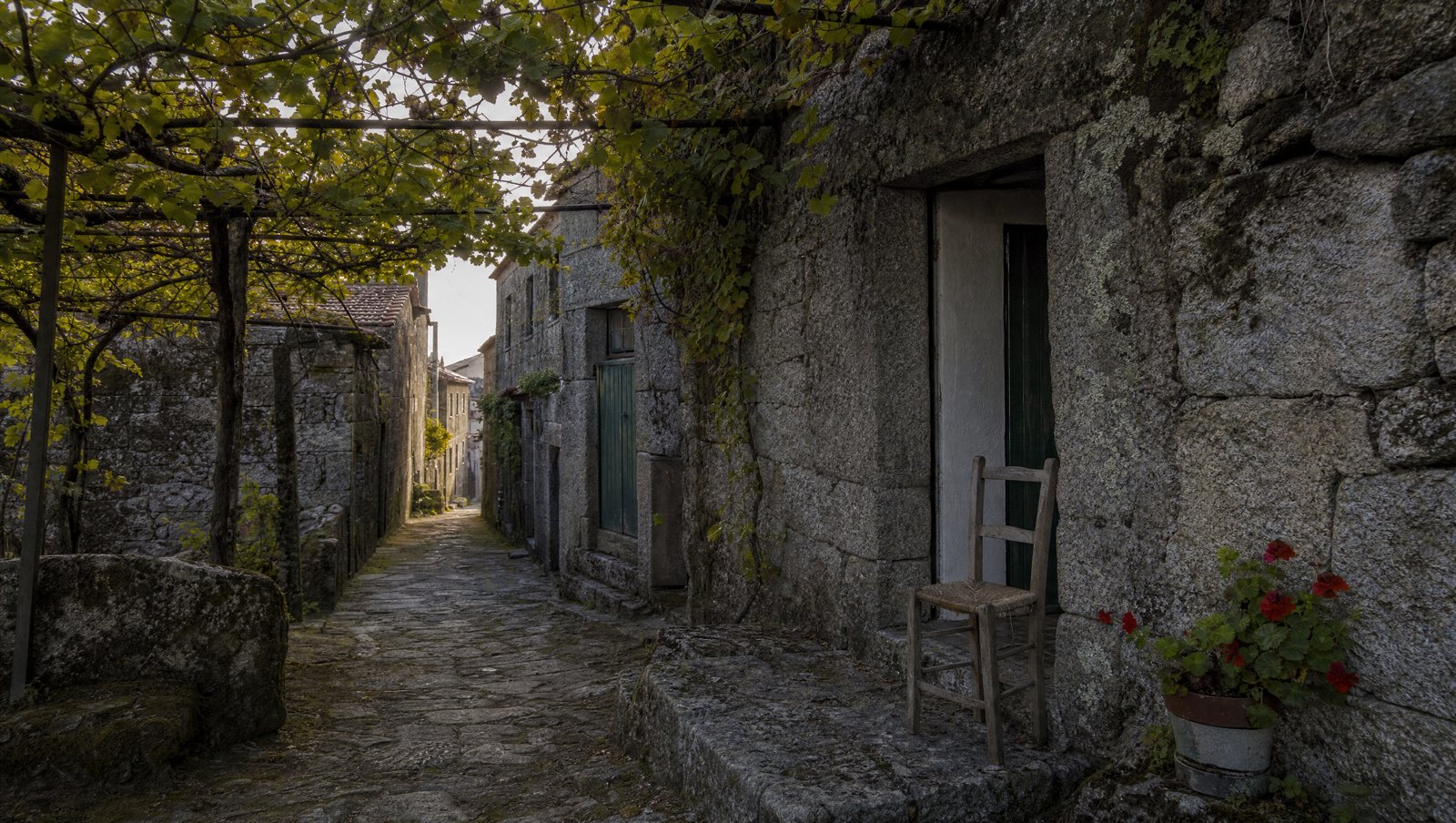
An elderly woman watched us from the threshold of a house—a real one, old, made of blackened granite. She wore a black headscarf and had broad hands. She beckoned us to approach, the way one recognizes people who are looking for something.
Her name is Dona Rosa. She is over eighty, and she has seen everyone leave.
"You're looking at the beautiful houses," she said, without reproach. "Everyone looks at the beautiful houses. No one looks at the ones that stayed old. Yet, those are the ones where we did the waiting."
Her husband left for France in 1966. A mason, in construction, like almost everyone else. He would return for three weeks a year, in August, driving a car loaded to the roof. The rest of the time, he sent money, and that monthly remittance supported not only Dona Rosa and her children, but, when added to hundreds of thousands of others, a portion of the entire country's economy.
"They called us the viúvas de vivos," she said. "Widows of the living. Our husbands weren't dead. But they weren't there, either. We raised the children alone, we farmed the land alone, and we built the house, stone by stone, with the money they sent. Every summer, they would see one more wall."
And you, dear reader, understand what these overly beautiful houses really are. They are not houses of the rich. They are houses of patience. Each tile is a winter of solitude. Each railing is a remittance crossing the Pyrenees in the other direction. They are the opposite of the ruins of Talasnal: there, they let the stones fall; here, they made them rise, from afar, through sheer effort and longing.
The rooster that crowed
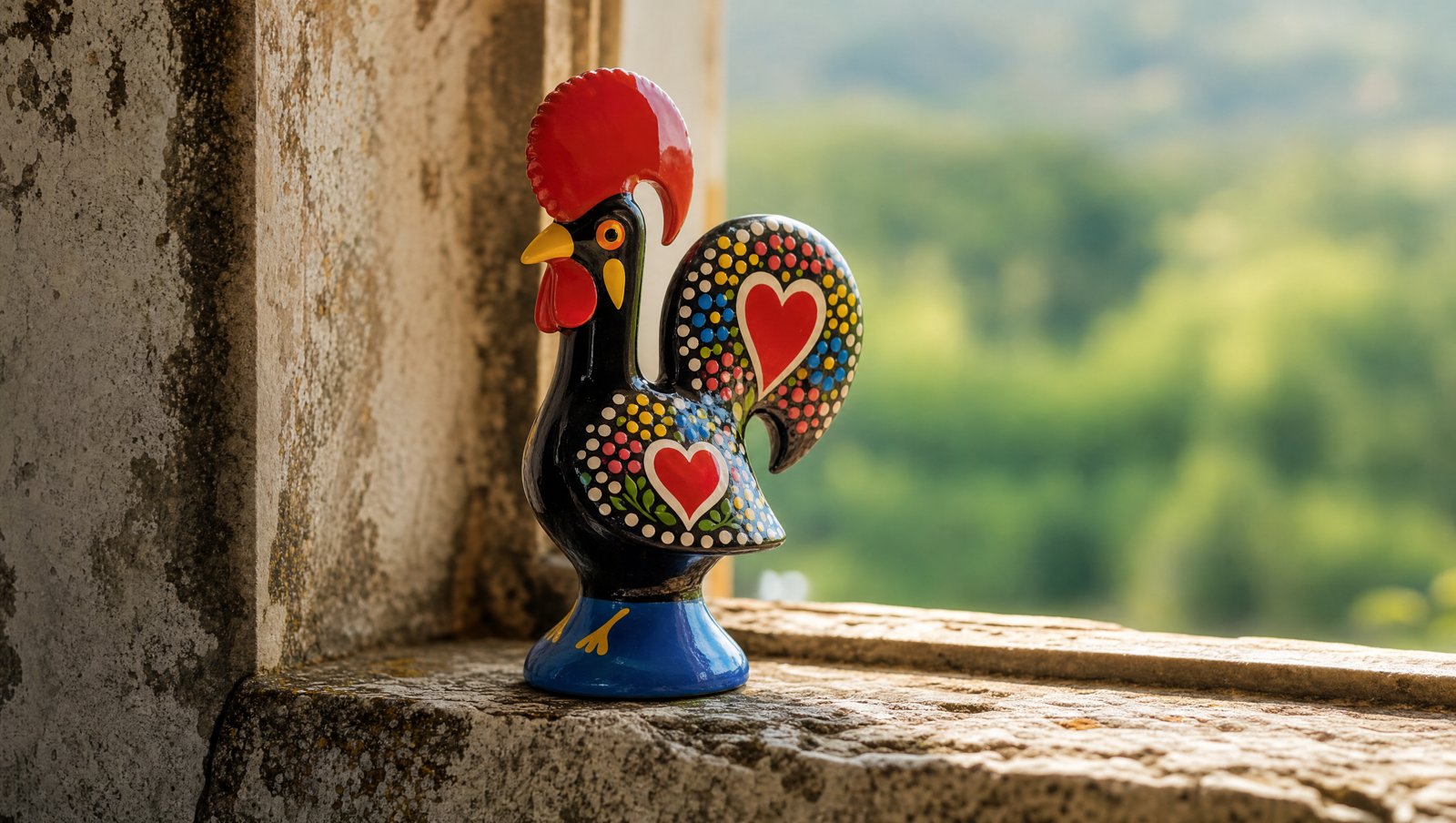
"Since you're looking for stories," Dona Rosa said, and her face lit up, "I'll give you ours. The real one, the one we carried with us."
We are only a few kilometers from Barcelos. And Barcelos is the city of the rooster.
Legend has it that in the Middle Ages, a Galician pilgrim on his way to Santiago de Compostela was passing through Barcelos when he was accused of a crime he did not commit. Despite his oaths of innocence, he was sentenced to the gallows. Before dying, he asked to be taken before the judge who had sentenced him. They brought him there. The magistrate was feasting with friends, a roasted rooster on the table. The pilgrim pointed to it and said, "It is as certain that I am innocent as it is certain that this rooster will crow when I am hanged." They laughed. No one touched the dish. But at the moment they were hanging the pilgrim, the roasted rooster stood up on the table and crowed. The judge ran to the gallows: the knot had come undone on its own. The man was freed and continued his journey to Santiago.
"They say he returned years later to carve a stone cross in gratitude," Dona Rosa said. "It's in the Barcelos museum. The Cruzeiro do Senhor do Galo."
"The legend remained obscure until the nineteenth century," João added gently. "It was the potters of Barcelos who brought it to life in color, as little clay roosters. And it was the Salazar regime that turned it into the symbol of tourist Portugal. In 1991, the rooster even became the official emblem of Portuguese tourism."
"Perhaps," Dona Rosa replied, unoffended. "But tell me, my son: when my husband left for France, do you know what I put in his suitcase?"
She didn't wait for an answer.
"A little rooster from Barcelos. Made of clay. For luck, and so he wouldn't forget where he came from. He kept it on a shelf in Paris his whole life. You talk to me about tourism. I'm talking to you about a man alone in a room, looking at a little red rooster to remember the sound of his village."
No one added anything. She had won, and she knew it.
Broken roots, rediscovered hopes
On April 25, 1974, a nearly bloodless revolution overthrew the dictatorship. Carnations against cannons. The colonial war ended. And for the first time in generations, returning became possible.
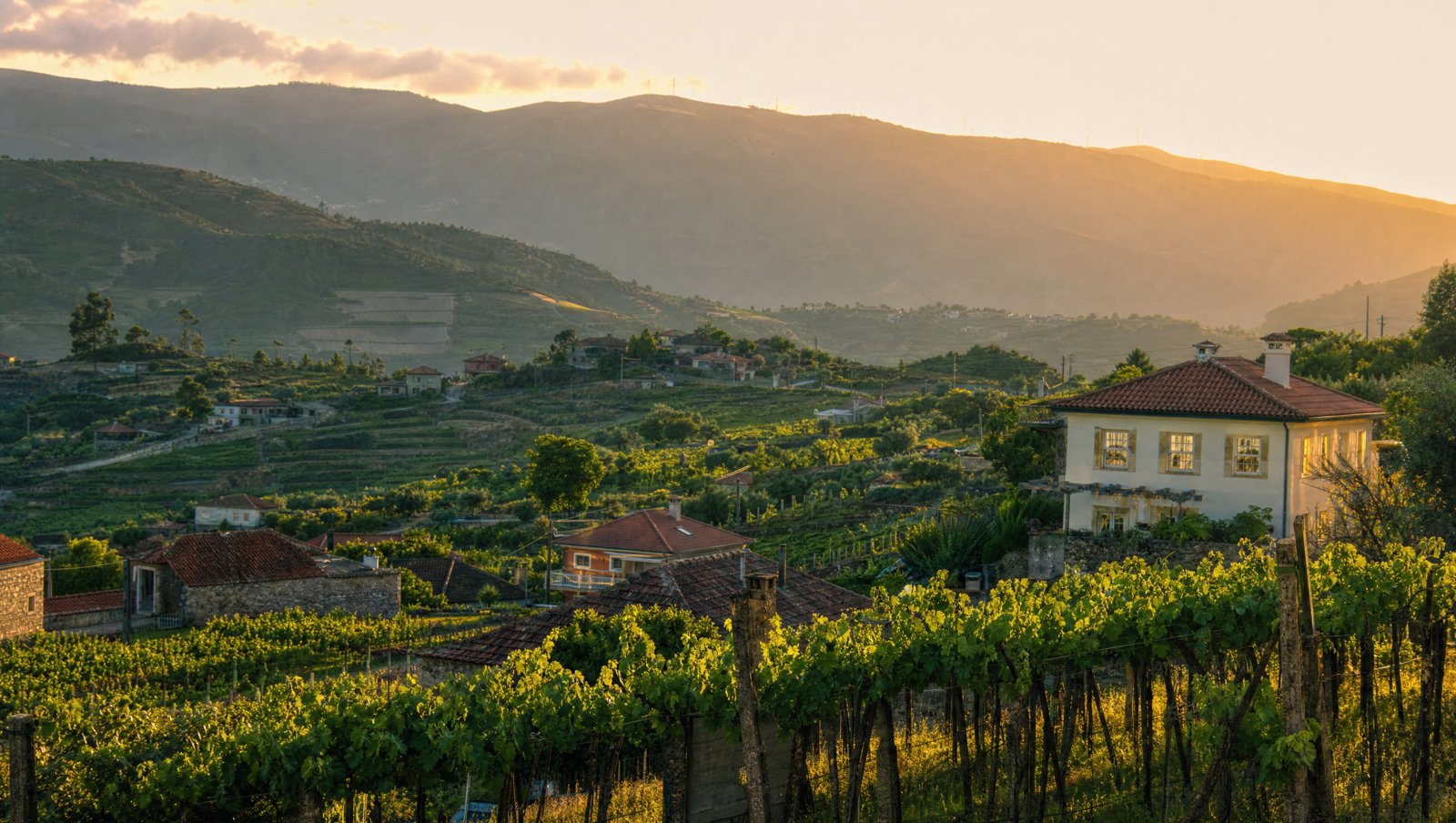
Many never went back: their lives were in France now, their children were born there, French by language and schooling, Portuguese by the dinner table and the heart—those Luso-descendants who carry two countries without having to choose. But many did return, upon retirement, to finish their lives in the house they had spent thirty years building from afar. And that is why the Minho is covered in these dwellings: they are the monument to a round trip, the stone proof that one can leave empty-handed and return with a new country in one's palms.
"That is why the title of this story is not a contradiction, I told the other three. Broken roots, renewed hope. These people were torn from their land, and from that uprooting, they created something else. Not a forgetting. A dual belonging."
Teresa was crying a little, without hiding it.
"My mother could never tell me the name of her village," she repeated, just as she had in Talasnal. "But I don't think it mattered. Her village was this. All these houses. All these Dona Rosas. All this patience. I had been looking for a name. I found a people."
Evening was falling over the Minho, lighting up the azulejos one last time. In a garden, on a low wall, a small clay Barcelos rooster kept watch, red and stubborn, just as others watch from shelves in Paris, Zurich, Luxembourg—everywhere a Portuguese person once fell asleep far from home, thinking of the green of these hills.
There you have it, dear reader. You have traveled through a land that emptied out from the north, you have listened to a widow of the living, and you now know why a dead rooster still sings on so many shelves around the world. Iberia, quite clearly, cannot be contained by its borders. It leaves, it waits, it returns, and from afar, it builds houses too beautiful to be forgotten. Perhaps that is why we return. To tell those who stayed behind that we never truly forgot the way.
You know, seeking out these stories comes at a price. Traveling to these places, consulting archives, verifying every date with historians—it takes time, and for an independent author, time is the only currency that truly matters.
If these stories move you, supporting this work will cost you less than a coffee and a glass of Portuguese wine. For €5 a month, you join the newsletter, receiving the latest stories and two previews before anyone else. And as long as you are a member, the entire Library is open to you: 14 ebooks already written, with a total value of €138.60, included in your subscription.
If you ever leave, no ebook truly disappears: you will always be able to purchase them individually for €9.90 each.
Because a journey never really ends. It continues, somewhere between the pages and the memory.
Lucas Lunes, author of ancient stones