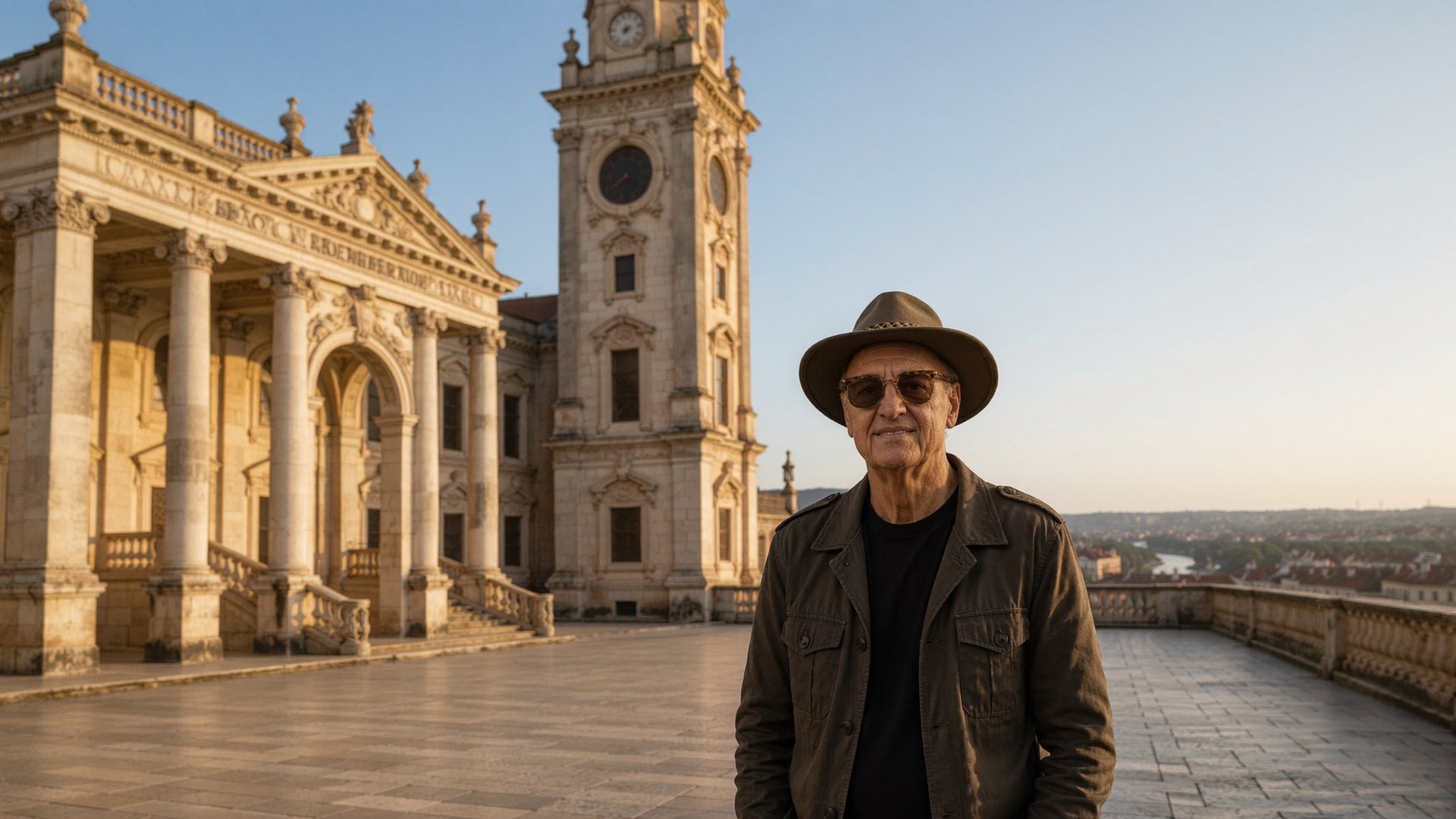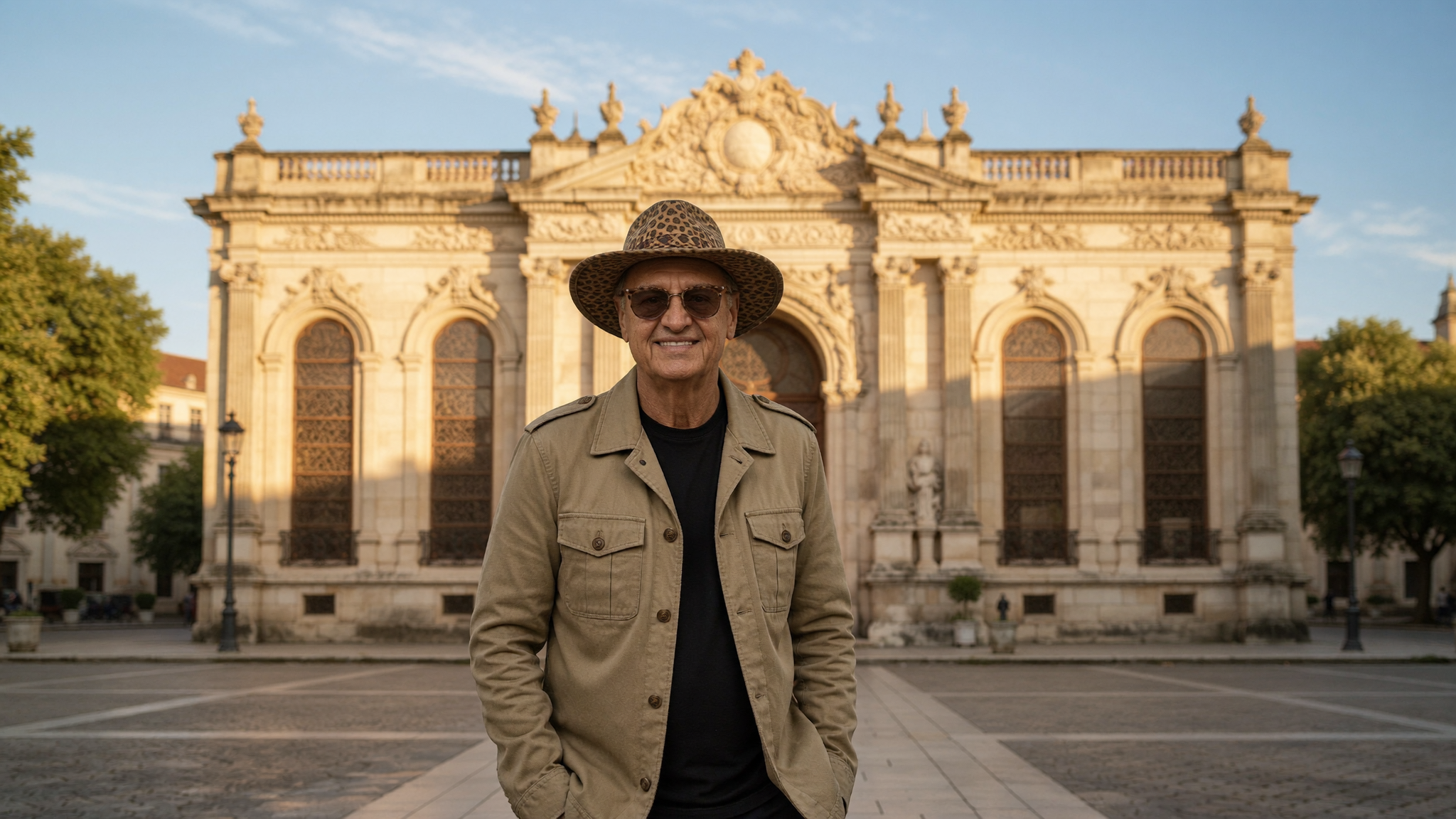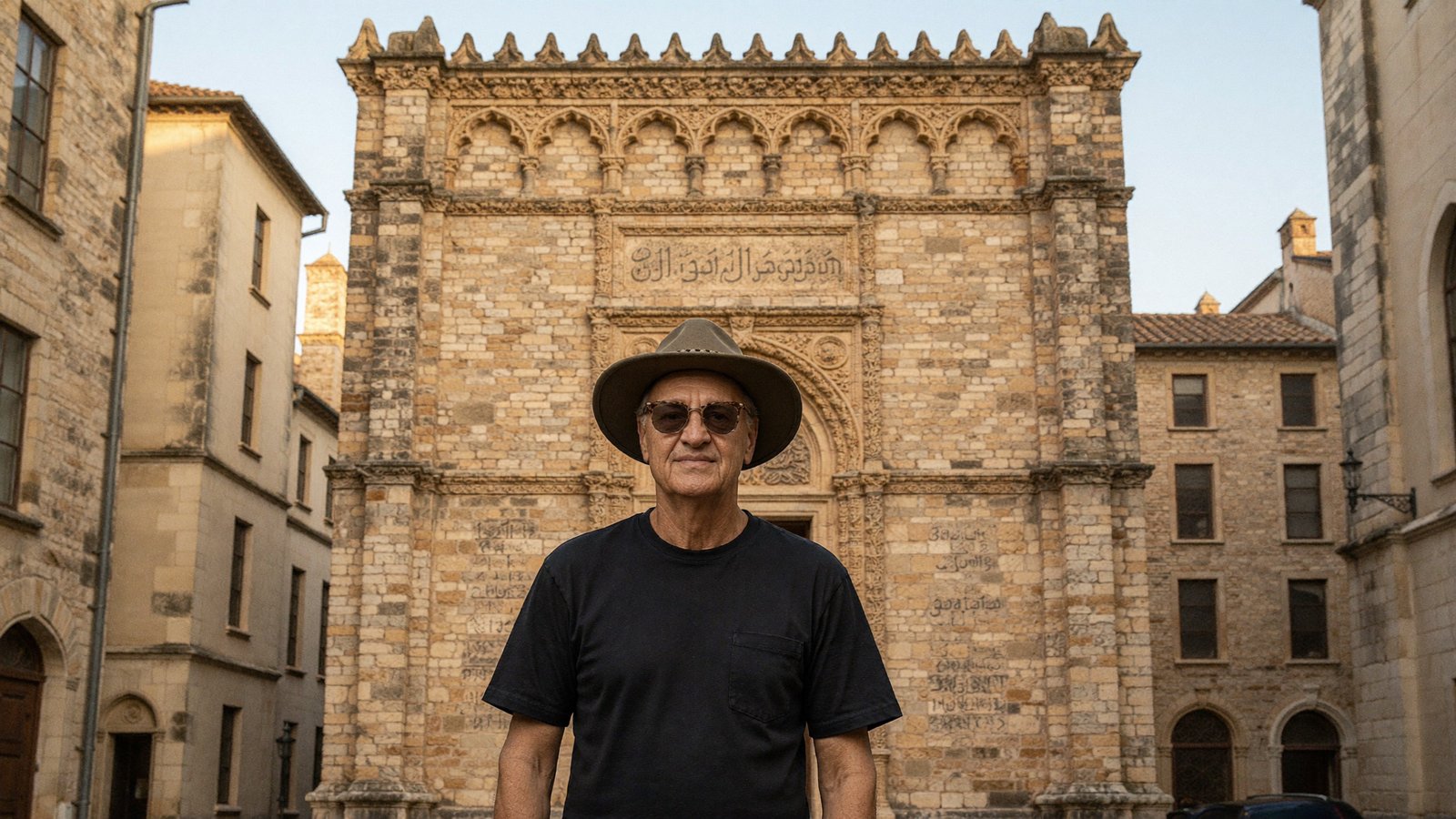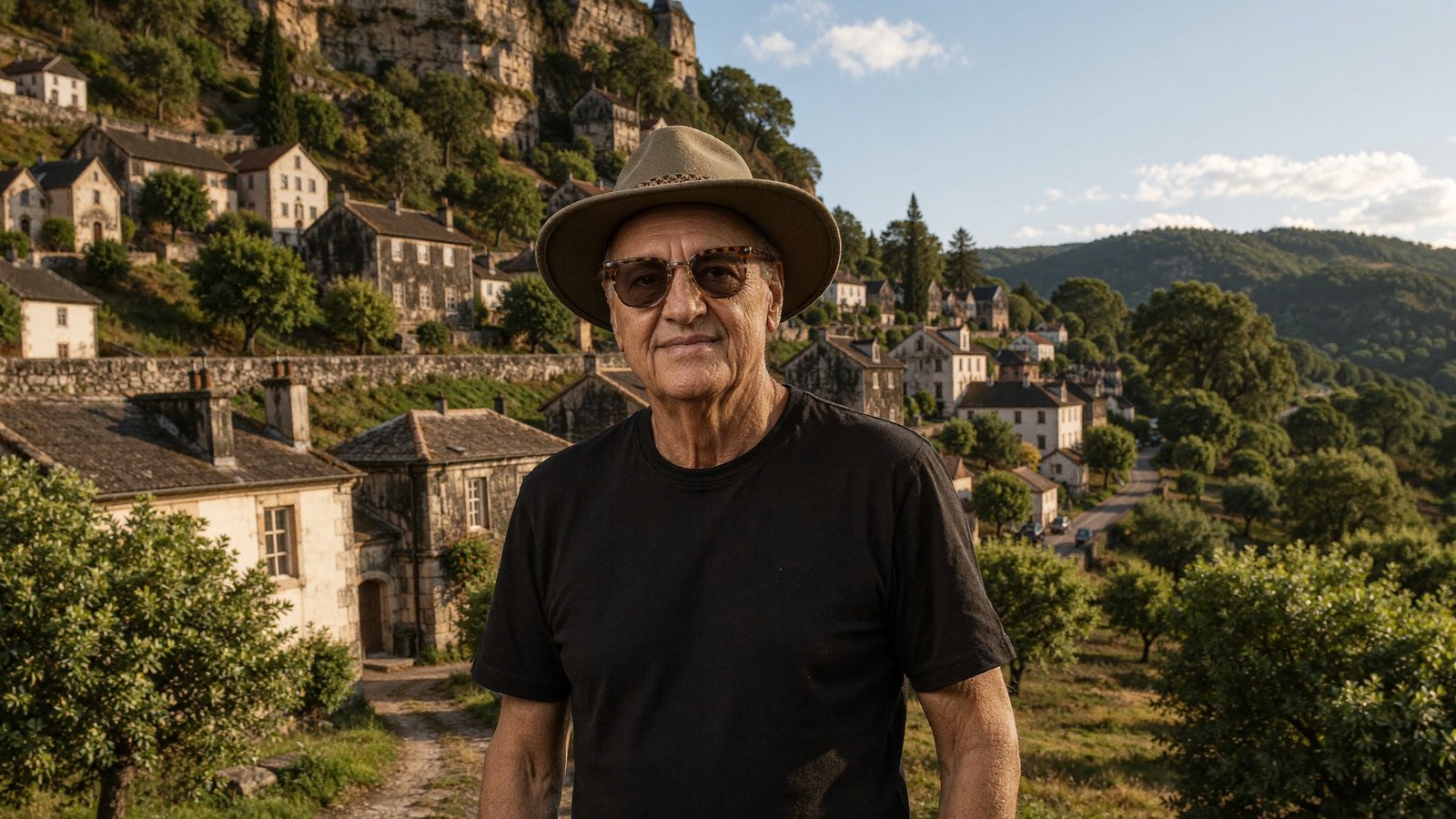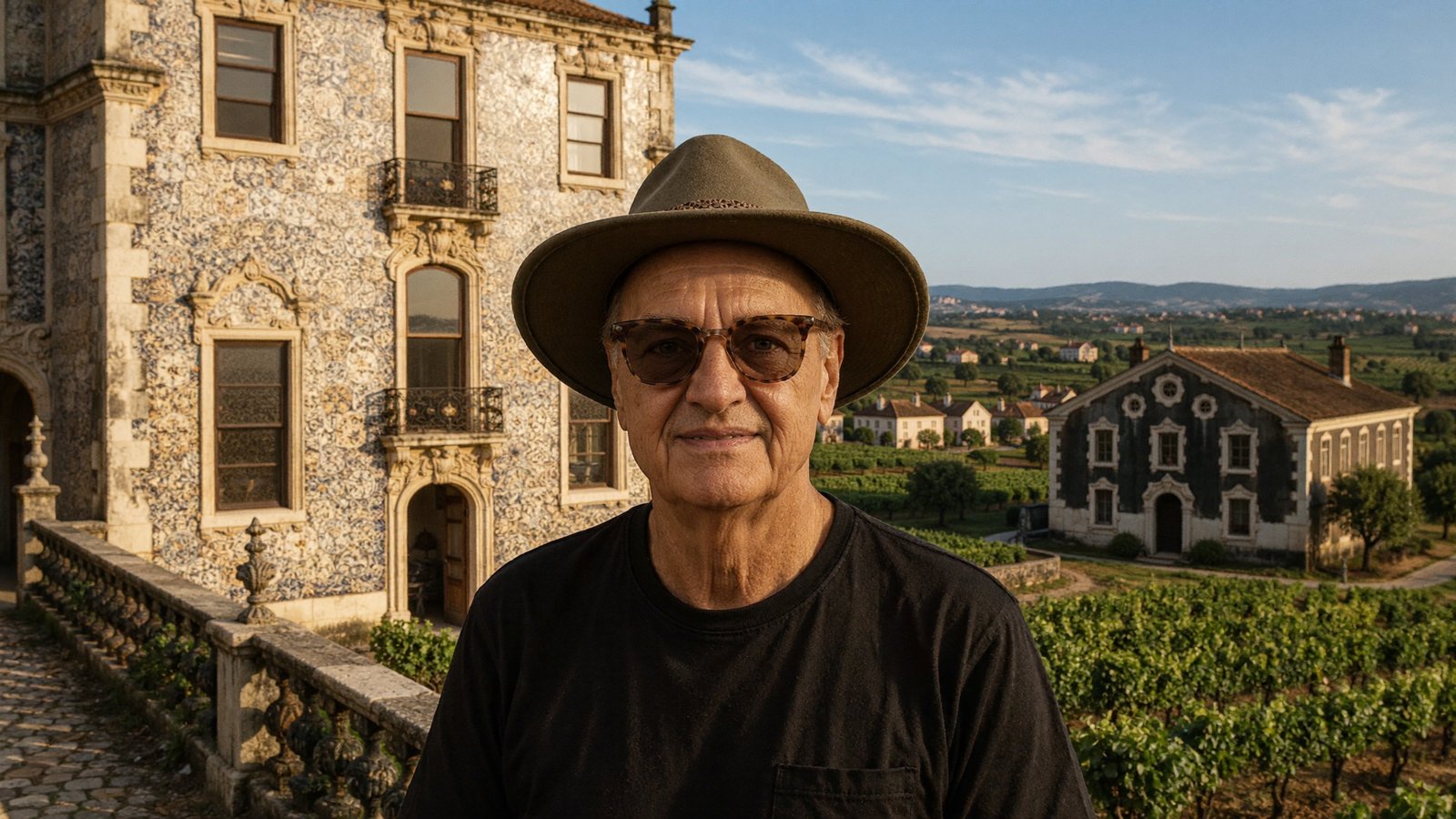
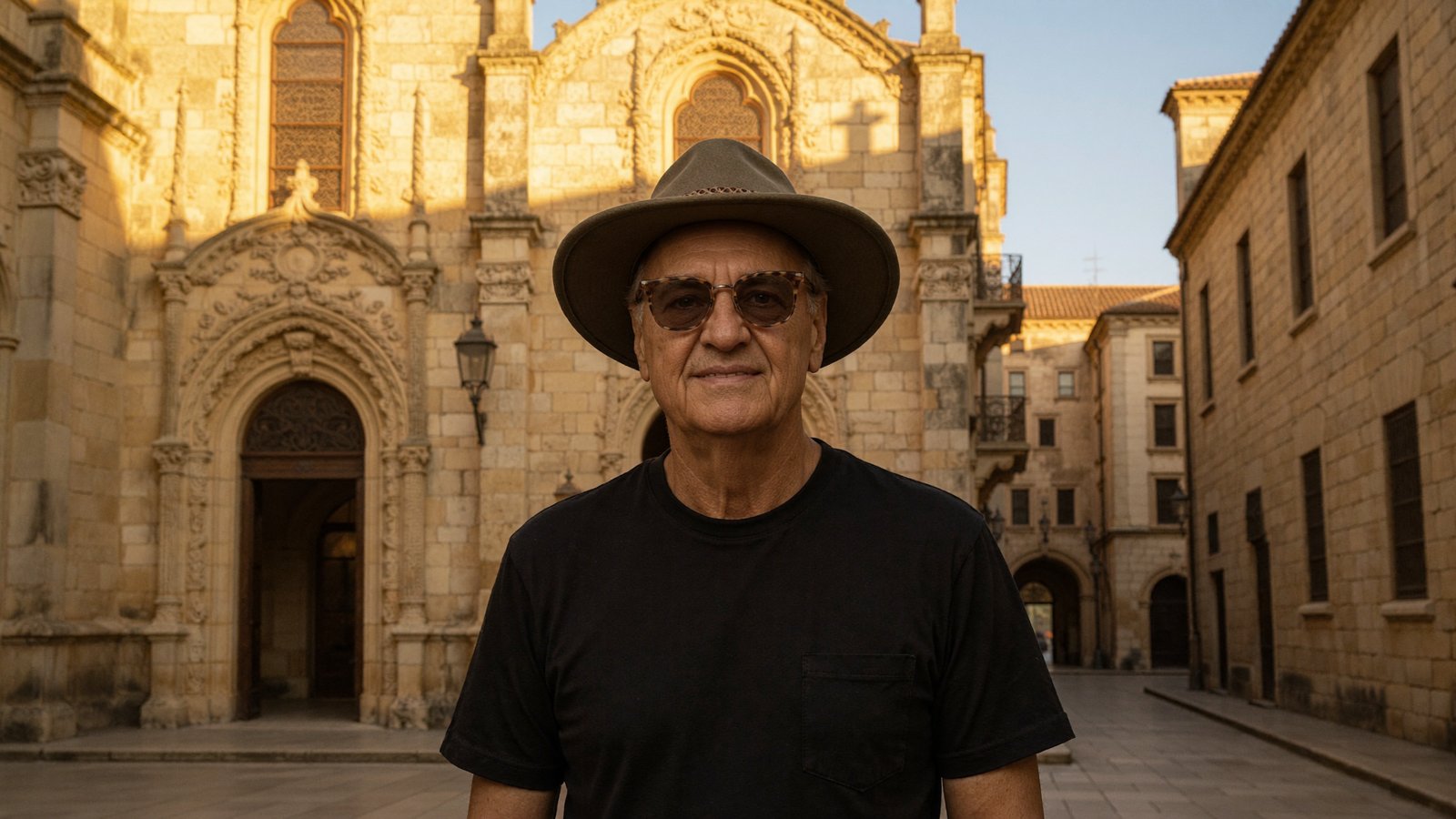
Your travel chronicle on Toledo, Spain, exploring the Jewish Quarter and the Synagogue of El Tránsito, featuring Samuel ha-Levi, treasurer to Peter the Cruel (14th century)—a time when Castile was still home to the most brilliant Jewish community in the West, while in France, on September 17, 1394, King Charles VI banished the Jews from his kingdom forever.
Your Daily Iberian Travel Chronicle & Guide
How one man carved his dream into the plaster of a synagogue, how his king made him pay for it with his life, and how a single year, 1492, closed the sky over Toledo. (Chapter 2 of 2)
This morning, we learned how Toledo opened the same books to three faiths. This afternoon, you will learn how it closed them.
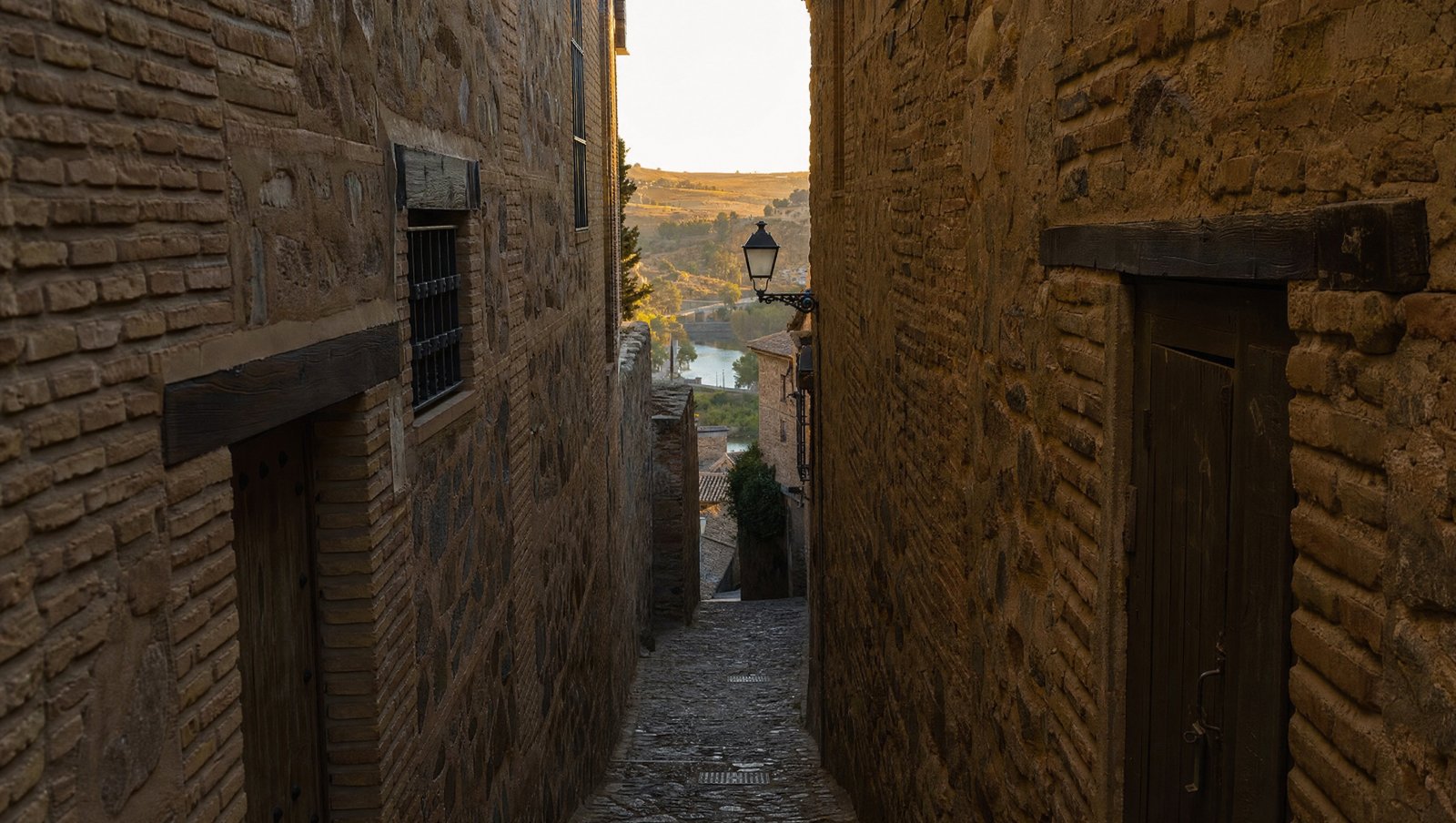
We head back down toward the south of the old town, where the alleys narrow and lose the sun. The Judería, the former Jewish quarter, no longer has its inhabitants, but it has kept its shape: passages so tight you can touch both walls, low doorways, dead ends that drop off into nothingness, and, at the very end, the great silence of the Tagus River below. Andrés walks ahead, head tilted toward the lintels. Sophie rereads her morning notes. Carmen slows down as we approach, as if the neighborhood were tugging at her sleeve.
"It's strange," she says at last. "I grew up twenty minutes from here and I’ve never walked to the end of these streets. It feels like they’re waiting for someone."
They are, indeed. At the end of Calle Samuel Levi, a sober, almost austere facade gives nothing away. Nothing, that is, until you push open the door.
A palace for a king, a synagogue for God

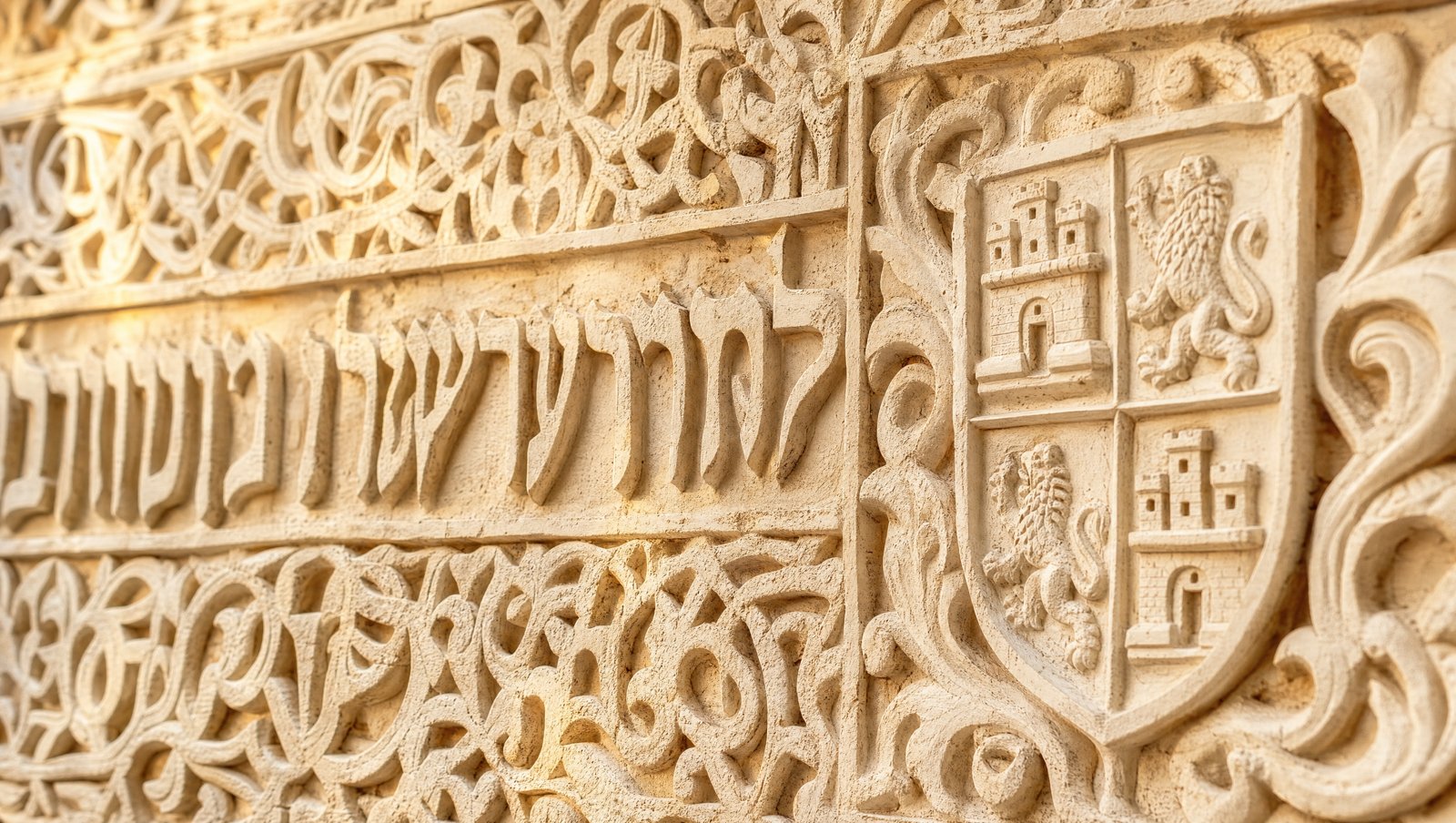
Inside, Sophie stops and falls silent. Andrés slowly looks up. We are in a single large hall, and every centimeter of its upper walls is covered in chiseled stucco—a lace of plaster where interlacing patterns, stars, plants, and entire lines of Hebrew script run wild. On the ceiling, a larch-wood framework assembled in marquetry, an artesonado, closes the room like the lid of a precious jewelry box. Light falls from the high windows and catches the relief. It feels as if the walls are breathing.
"It's Mudéjar," Andrés whispers. "The same art as the Alhambra, the same hands of Muslim craftsmen. Except here, they put it at the service of a Jewish temple, under a Christian king."
He said it all. This synagogue was born around 1357, at the height of one man’s power: Samuel ha-Levi Abulafia. His family had served the kings of Castile for over a century. He had risen higher than any of his kin: chamberlain, judge, and then treasurer to King Peter I of Castile, the man history would call the Cruel. He was the one who kept the kingdom’s accounts, collected taxes, and filled the coffers. And with the fortune the king allowed him to build, he commissioned this very synagogue next to his palace. Not a discreet, hidden place like so many synagogues in Europe, but a bold, dazzling jewel—almost a challenge.
"Look at the inscriptions," I say to Sophie. "They don't just praise God. They also praise Samuel, his benefactor, and King Peter of Castile. And there, do you see those shields? Those are the coats of arms of Castile and León, carved into the plaster of a synagogue."
Sophie pushes up her glasses. "A Jewish temple displaying the arms of a Christian king, decorated by Muslim craftsmen. It’s the morning we talked about, but frozen in plaster."
"Yes. It’s the highest moment, the one that precedes the fall. A man at the summit, carving his name and his king’s name into the wall, convinced it will last."
Simón and the treasure tunnels
A man is tidying brochures near the entrance. White hair, museum vest, slow movements. His name is Simón; he’s been here for years, and he has overheard our conversation.
"You're talking about the treasure," he says, unprompted. A smile passes. "Everyone ends up talking about the treasure."
He approaches and lowers his voice, more out of habit than mystery.
They say that secret passages ran beneath this neighborhood, galleries carved into the rock that descended all the way to the Tagus. They say that Samuel ha-Levi, the richest man in Castile, had hidden his gold there—entire chests, safe from prying eyes and kings. And they say, above all, that the day the king wanted that gold, they searched, they dug, they turned the palace over stone by stone, and they never found it all. That part of Samuel’s treasure is still sleeping, somewhere, beneath the feet of visitors.
"My grandmother used to say that you don't just hide gold in a wall," Simón adds. "You also hide what you want to save. A name, a prayer, a memory. The walls of Toledo are full of things walled up inside."
Carmen looks at him for a long time. She says nothing, but I see her hand brush against the stone, just like this morning at the mosque.
And you, dear reader, take note of Simón’s words. Because the story that follows is precisely that of a man who was forced to give up what he had, and of a people forced to leave everything behind.
1360: when the treasurer became the prey
The fall was brutal, as all falls from grace are.
The reign of Peter the Cruel was nothing but one long war: against his half-brothers, against the nobility, against his own fractured kingdom. The king always needed money, and a treasurer who is too wealthy is as much a temptation as he is a servant. In 1360, Samuel ha-Levi was arrested. He was accused of embezzling gold from the crown—the very gold he had spent his life gathering for his master. He was taken to Seville. He was tortured to make him reveal where the treasure was hidden. And he died there, under torture, without history ever knowing if he had spoken.
"The king seized his assets," I say. "His houses, his riches, everything returned to the crown. The man who had engraved the arms of Castile into his synagogue as a sign of loyalty was broken by the King of Castile."
Andrés shakes his head. "He had put his king’s coat of arms on his own temple. And that didn't save him."
"No. Nothing could save him. That is the truth of this magnificent hall. It was built by a man at the height of his power, barely three years before he was thrown into prison. The beauty you see is that of a world that believed itself eternal, but was not."
Sophie writes something down, then looks up. "And yet, the synagogue itself survived Samuel. It continued."
"It continued. For another century and a half. Until the year everything stopped."
1492: the sky closes in
I must tell you about that year as one speaks a name that cannot be forgotten.
On March 31, 1492, in the newly conquered Alhambra of Granada, the Catholic Monarchs Isabella and Ferdinand signed a decree. The Jews of Spain had four months to choose: baptism or exile. Convert their souls or leave everything behind. Those who stayed and converted became conversos—Christians in name, but always under suspicion. Those who left, by the tens of thousands, set out on the roads and seas with whatever they could carry, taking the language of Castile in their baggage—that Judeo-Spanish language that would still be spoken five centuries later in Thessaloniki, Istanbul, and Sarajevo.
"And Samuel’s synagogue?" Andrés asks in a low voice.
"It became a church. Given to the Order of Calatrava. The Hebrew inscriptions remained on the walls, but no one in that place read them or prayed in that language anymore. The temple fell silent."
Sophie closes her notebook. She has that gentle gravity she had this morning in front of the mosque.
"What I can't seem to tell you," she begins, "is that France has nothing to envy Spain for. Back home, the sky had already closed in a century earlier. On September 17, 1394, King Charles VI signed the ordinance that banished the Jews from the kingdom forever. The last expulsion of the French Middle Ages. Irrevocable, the text said. They wouldn't return until the 17th century."
"That is why I told you this morning not to romanticize Toledo," I say. "The city of three cultures was not a paradise of tolerance. It was a balance—fragile, self-interested, and riddled with violence, the end of which was already signaled by 1391, a year of riots and massacres. But while other parts of Europe were already driving them out, here they had, for a time, coexisted. And that time produced wonders before it shattered."
It is Carmen who breaks the silence. Her voice is different, lower.
"The name my grandmother had forgotten. The one I was telling you about this morning." She pauses. "I think I understand now. A family from Toledo, a name that is no longer spoken, that was dropped to survive. Perhaps it was walled up, too. Just like Simón’s treasure."
No one answers. There is nothing to say to that.
What the stones have kept
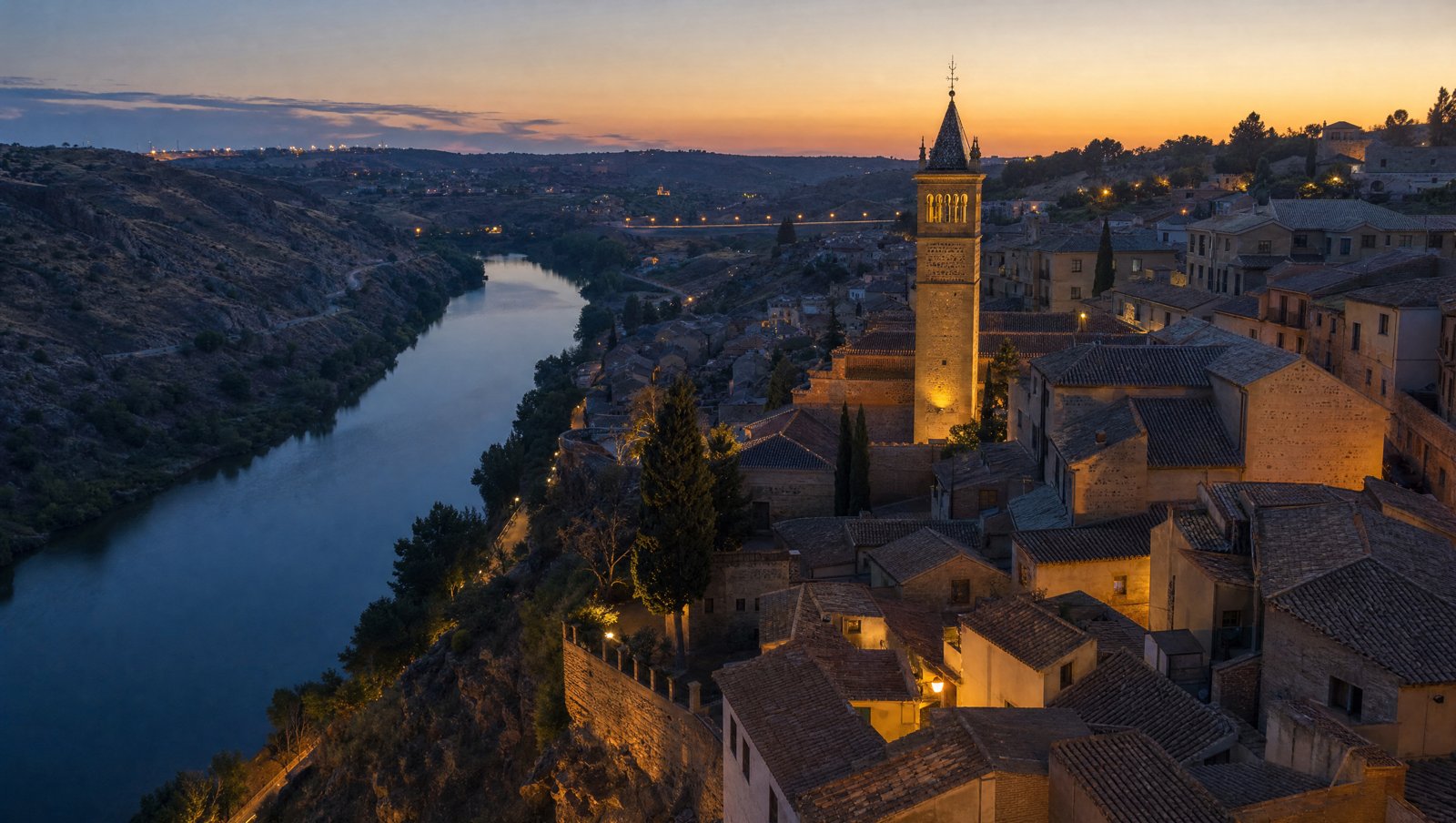
We head back out. The evening light has turned to gold, and Toledo, from its rocky perch, can be taken in at a single glance: the bell towers, the ancient minarets, the rooftops under which the three prayers once slept.
Today, the Samuel ha-Levi synagogue is a Sephardic museum. It preserves the memory of a people who wrote some of their finest chapters here before being torn away. The Hebrew inscriptions are still there, patient in the plaster. They have seen a synagogue, a church, a barracks, and a museum come and go. They have not moved.
"Do you know what moves me?" Sophie says as we walk down toward the river. "That the wall kept everything. Samuel’s name, his king’s name, the prayer in Hebrew, the art of the Muslim craftsmen. Everything, in the same wall. Those who transformed this place didn't erase it all. Perhaps they didn't dare."
"Or perhaps they couldn't," I say. "That’s Toledo for you. A city that never quite manages to erase what it once was. Stories pile up, as Amparo said this morning. They pile up, and sometimes, one of them still whispers beneath the others."
Carmen has taken out her package of mazapanes. She offers one to each of us, like a ritual. Then she takes one last look at the modest facade behind us, the one that gives no hint of the splendor it hides.
"I think I’m going to look for it," she says. "The name. I owe it to my grandmother. And to this city."
The Tagus flows below, slow and patient, just as it flowed in the time of Samuel, in the time of the translators, in the time of the caliphs. It has seen everything, and it doesn't erase anything either.
There you have it, dear reader. You climbed Toledo with us this morning, and you walked back down this evening. You now know that the city of the three cultures was also a city of heartbreak, and that its beauty and its wounds inhabit the same walls. Perhaps that is why we keep coming back. To listen to what the stones have kept.
You know, searching for these stories comes at a price. Traveling to these places, consulting archives, verifying every date with historians—it takes time, and for an independent author, time is the only currency that truly matters.
If these stories move you, supporting this work will cost you less than a coffee and a glass of Portuguese wine. For €5 a month, you join the newsletter, receiving the latest stories and two previews before anyone else. And as long as you are a member, the entire Library is open to you: 14 ebooks already written, with a total value of €138.60, included in your subscription.
If you ever leave, no ebook truly disappears: you will always be able to purchase them individually for €9.90 each.
Because a journey never really ends. It continues, somewhere between the pages and the memory.
Lucas Lunes, author of ancient stones